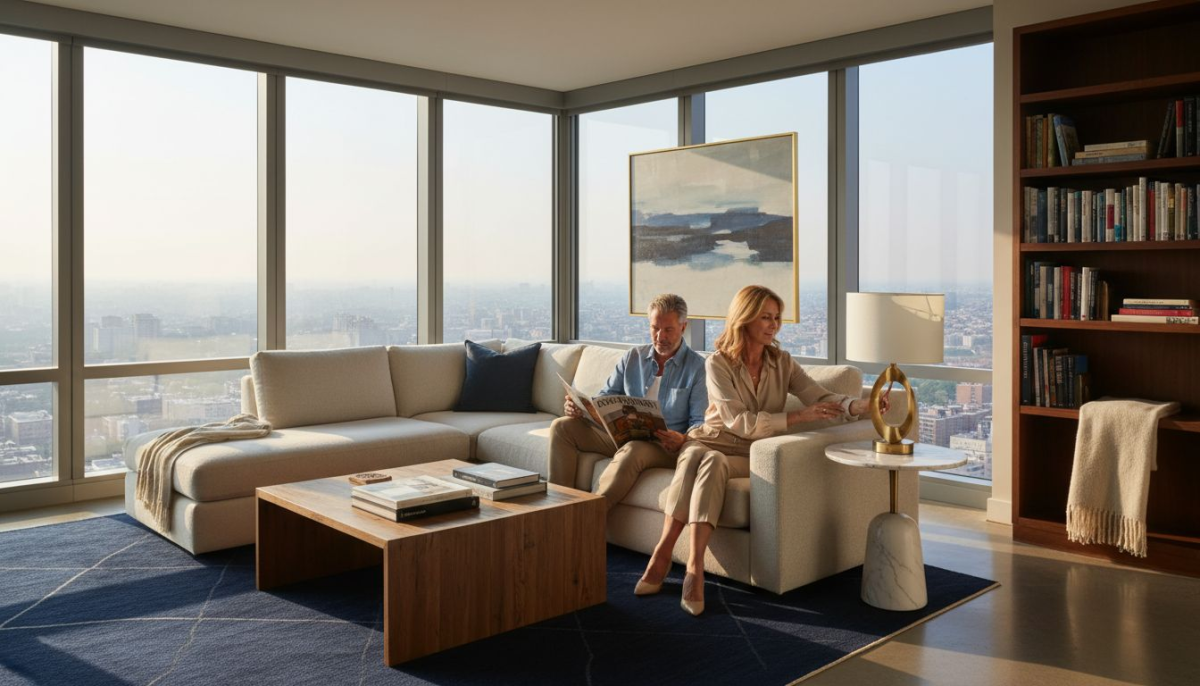
Role of Furniture Selection – Transforming Sophisticated Spaces

Role of furniture selection unlocks enhanced aesthetics, practical function, personal style, and seamless comfort. Covers styles, materials, scale, and expert mistakes to avoid.

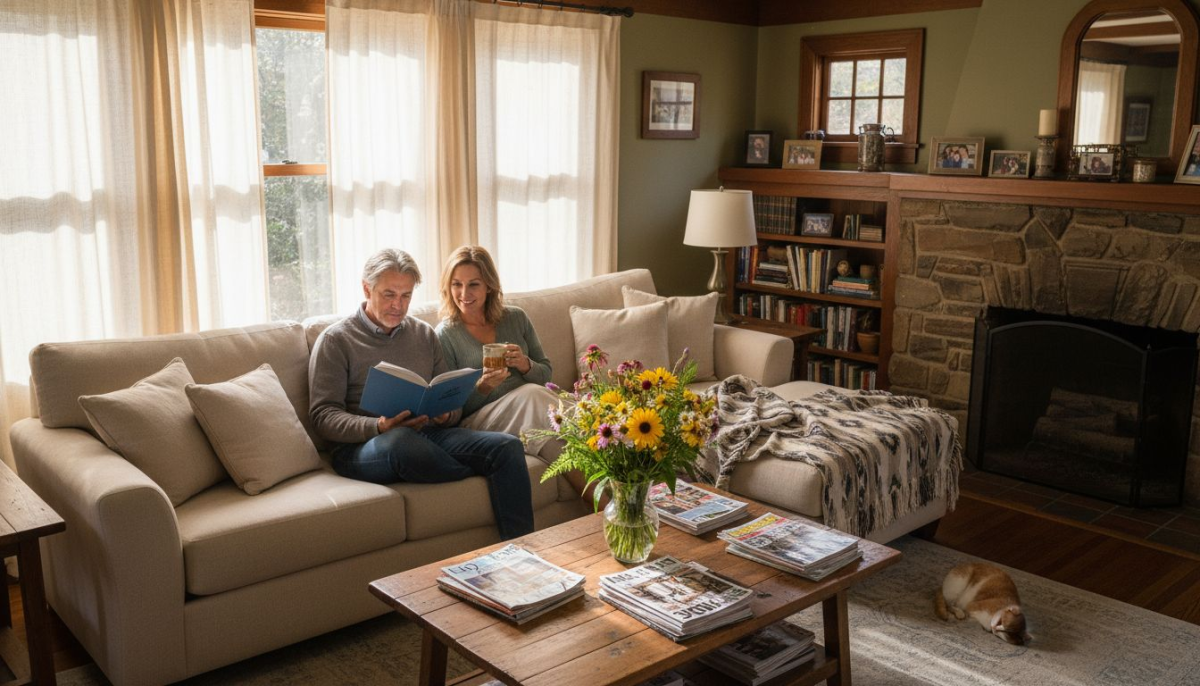
Choosing the right furniture can be the difference between a refined gathering space and a disjointed room that misses the mark. For homeowners in stunning locations like Florida and Michigan, every design decision carries extra weight, shaping both social experiences and daily family life. Thoughtful furniture selection creates a foundation for both sophisticated ambiance and practical comfort, allowing each space to support your unique lifestyle while achieving true visual harmony.

Table of Contents

Key Takeaways

Point Details
Furniture Selection is Strategic Choosing furniture is a process that combines aesthetics and functionality to enhance living spaces and support daily experiences.
Understanding Styles is Crucial Familiarity with different furniture styles and their characteristics helps in creating cohesive and meaningful design narratives.
Balance Functionality and Comfort Effective furniture design must accommodate both ergonomic needs and lifestyle requirements for optimal user experience.
Avoid Common Mistakes Comprehensive planning and thorough assessment can prevent common pitfalls in furniture selection, ensuring design integrity and suitability.

Defining the Role of Furniture Selection

Furniture selection represents far more than aesthetic choices—it is a strategic design process that fundamentally transforms living environments. In sophisticated spaces, furniture acts as both functional infrastructure and visual storytelling, defining how rooms breathe, interact, and support human experiences. Furniture defines spatial experiences by connecting architectural elements with daily living requirements.

The role of furniture selection encompasses several critical dimensions:

  • Spatial Functionality: Determining how rooms actually work and flow
  • Visual Harmony: Creating cohesive design narratives
  • Ergonomic Performance: Supporting physical comfort and well-being
  • Lifestyle Translation: Reflecting inhabitants’ unique personalities

Professional designers understand that furniture represents more than objects—they are purposeful interventions that transform empty rooms into living ecosystems. By carefully considering factors like scale, proportion, material quality, and user interaction, designers craft environments that feel simultaneously intentional and effortlessly natural.

Effective furniture design considers both use and design to maximize impact on users’ experiences.

Selecting furniture requires a nuanced understanding of architectural context, personal lifestyle, and design principles. Every piece must balance aesthetic appeal with practical performance, creating spaces that are not just beautiful, but genuinely livable.

Pro tip: When selecting furniture, prioritize pieces that offer both visual resonance and functional flexibility to create truly transformative living environments.

Understanding Styles and Types of Furniture

Furniture styles represent complex visual languages that communicate design philosophy, cultural heritage, and functional purpose. Furniture classification involves essential categorization that helps designers and homeowners understand product characteristics and potential applications. Each furniture style carries unique historical and aesthetic narratives that extend beyond simple decorative choices.

Key furniture styles for sophisticated spaces include:

Here is a comparison of popular furniture styles and their distinctive characteristics:

Style Defining Traits Typical Materials
Traditional Ornate details, classic elegance Solid wood, fine fabrics
Modern Clean lines, minimal forms Metal, glass, veneer
Contemporary Trend-driven, adaptable designs Mixed materials, plastics
Mid-Century Organic curves, elegant function Teak, walnut, molded plywood
Transitional Blended modern and classic motifs Wood, neutral fabrics
  • Traditional: Elegant, ornate designs with historical European influences
  • Modern: Clean lines, minimalist aesthetics, functional simplicity
  • Contemporary: Current design trends, fluid forms, innovative materials
  • Mid-Century: Organic shapes, functional elegance from 1940-1960s
  • Transitional: Blend of traditional and contemporary design elements

Professional interior designers recognize that furniture types can be strategically classified across multiple dimensions. Beyond aesthetic styles, furniture can be categorized by:

  1. Functional Purpose
  2. Material Composition
  3. Design Period
  4. Manufacturing Technique
  5. Cultural Origin

Understanding furniture types allows matching design elements precisely to lifestyle requirements and spatial narratives.

The most sophisticated furniture selections balance visual appeal with practical performance. This requires deep understanding of how different styles interact with architectural spaces, personal preferences, and lifestyle dynamics. Successful furniture selection transforms rooms from mere physical containers into expressive, living environments.

Pro tip: When exploring furniture styles, consider how each piece communicates a narrative and contributes to the overall spatial experience.

Balancing Functionality, Comfort, and Lifestyle

Creating sophisticated living spaces requires a delicate choreography of design elements that seamlessly integrate functionality, comfort, and personal lifestyle. Ergonomic furniture design blends science and art to ensure physical well-being and aesthetic satisfaction. The most successful interiors are those that anticipate and support the nuanced ways inhabitants live, work, and relax.

Key considerations for balanced furniture selection include:

  • Ergonomic Support: Ensuring physical comfort and health
  • Spatial Efficiency: Maximizing utility without sacrificing aesthetics
  • Lifestyle Adaptability: Creating flexible environments
  • Personal Expression: Reflecting individual personality and preferences
  • Performance Requirements: Matching furniture to specific functional needs

Multifunctional furniture has emerged as a critical strategy for sophisticated spaces, particularly in urban and coastal environments where spatial constraints demand creative solutions. This approach goes beyond mere space-saving—it represents a holistic design philosophy that respects both form and function.

Furniture should support physiological needs and lifestyle demands, emphasizing biomechanical compatibility for long-term well-being.

The most sophisticated design approaches consider furniture not as isolated objects, but as integrated components of a larger spatial narrative. Each piece must contribute to the overall experience, balancing visual elegance with practical performance. This requires a nuanced understanding of how people actually inhabit and interact with their living environments.
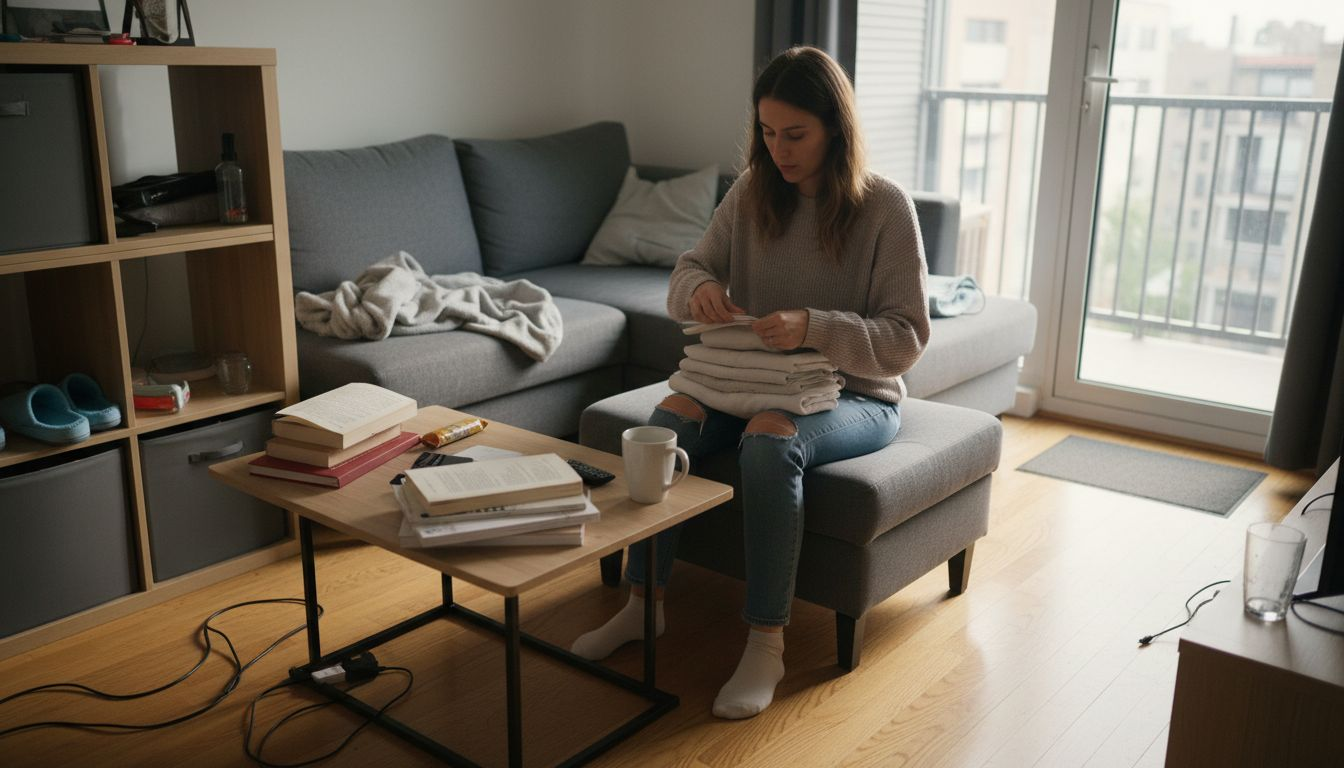
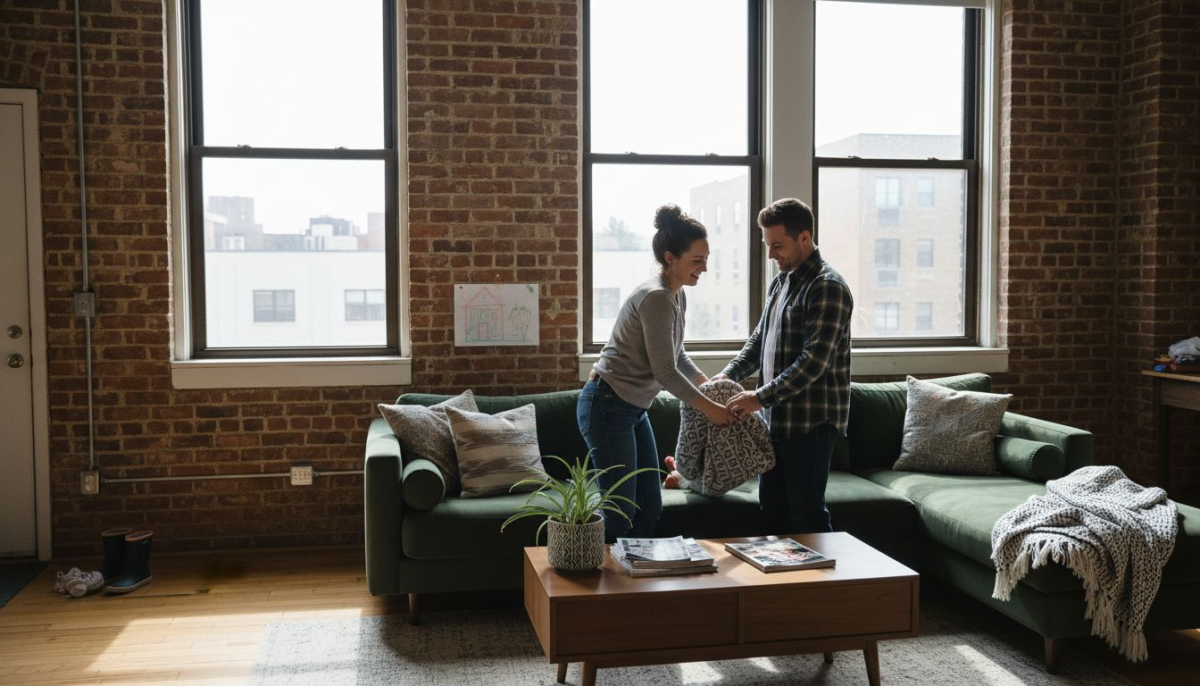
Young woman using multifunctional furniture in apartment

Pro tip: Select furniture pieces that offer multiple functions and adapt seamlessly to your evolving lifestyle needs.

Assessing Scale, Proportion, and Spatial Harmony

Spatial harmony emerges from the delicate interplay between architectural dimensions and furniture selection. Scale and proportion link furniture to architectural dimensions creating environments that feel both visually compelling and functionally intuitive. Understanding these design principles transforms spaces from mere rooms into carefully orchestrated living experiences.

Key considerations for achieving spatial harmony include:

  • Visual Balance: Creating a sense of equilibrium between furniture elements
  • Human Scale: Ensuring furniture relates proportionally to room dimensions
  • Negative Space: Maintaining breathing room between furniture pieces
  • Visual Weight: Distributing furniture to create optical balance
  • Architectural Dialogue: Complementing existing structural elements

Professional designers employ sophisticated strategies to assess furniture scale and proportion:

  1. Measure room dimensions precisely
  2. Consider ceiling heights
  3. Analyze natural light patterns
  4. Evaluate existing architectural features
  5. Map potential furniture placement

Properly scaled furniture complements room size, enhancing comfort and visual harmony.

The most nuanced approach recognizes that scale is not just about physical measurements, but about creating emotional resonance within a space. Each furniture piece should feel intentional, contributing to an overall narrative that reflects the inhabitant’s lifestyle and aesthetic sensibilities.

Pro tip: Use painter’s tape to outline potential furniture placement, helping visualize scale and proportion before making final selections.

Choosing Materials and Quality for Longevity

Sophisticated furniture selection demands a strategic approach to material selection that transcends aesthetic considerations. Sustainable furniture material selection integrates structural optimization with performance requirements, ensuring both visual elegance and long-term durability. The right materials become the foundation of furniture that ages gracefully while maintaining its functional integrity.

Key material quality considerations include:

  • Structural Resilience: Ability to withstand daily use
  • Environmental Sustainability: Minimizing ecological impact
  • Aesthetic Aging: Materials that develop character over time
  • Maintenance Requirements: Ease of cleaning and preservation
  • Performance Characteristics: Resistance to wear, humidity, and stress

Professional designers evaluate materials through multiple critical lenses:

  1. Mechanical durability
  2. Aesthetic potential
  3. Environmental sustainability
  4. Long-term cost-effectiveness
  5. Compatibility with lifestyle demands

Engineered woods offer mechanical efficiency and cost-effectiveness while supporting sustainability.

The most intelligent material selections recognize that furniture is an investment—not just a transient decorative element. Each material choice should balance immediate visual appeal with long-term performance, creating pieces that evolve beautifully with the spaces they inhabit.

Pro tip: Always request material samples and test them under conditions similar to their intended use to assess true durability and performance.

Common Mistakes and Expert Strategies to Avoid

Designing sophisticated interior spaces requires nuanced decision-making, with furniture selection presenting numerous potential pitfalls that can compromise the entire design vision. 7 Essential Types of Space Planning provide critical guidance for avoiding common furniture selection errors that can derail design intentions.

Common mistakes homeowners frequently encounter include:

  • Scale Miscalculation: Selecting furniture disproportionate to room dimensions
  • Impulse Purchasing: Buying pieces without considering overall design strategy
  • Neglecting Functionality: Prioritizing aesthetics over practical usage
  • Ignoring Lifestyle Compatibility: Choosing furniture inconsistent with daily needs
  • Overlooking Material Performance: Selecting materials unsuitable for specific environments

Expert strategies for mitigating design risks involve:

Below is a summary of expert strategies versus common mistakes in furniture selection:

Aspect Common Mistake Expert Strategy
Room Sizing Choosing items too large or small Measuring space accurately
Material Choice Overlooking durability needs Testing materials for longevity
Design Cohesion Impulse buying unrelated pieces Creating cohesive mood boards
Lifestyle Fit Ignoring practical requirements Analyzing daily living preferences
Long-term Perspective Focusing only on current trends Planning for lifestyle evolution
  1. Comprehensive room measurements before selection
  2. Creating detailed design mood boards
  3. Considering long-term lifestyle evolution
  4. Testing material durability
  5. Maintaining design cohesiveness

Professional designers approach furniture selection as a holistic, strategic process—not merely a decorative exercise.

Successful furniture selection demands intellectual rigor, emotional intelligence, and a deep understanding of spatial dynamics. Each decision should be intentional, reflecting not just aesthetic preferences but a comprehensive vision of how spaces genuinely support human experiences.

Pro tip: Always develop a comprehensive design brief before making any furniture purchases, outlining functional requirements, aesthetic preferences, and budgetary constraints.

Elevate Your Space with Purposeful Furniture Selection

Struggling to balance functionality, comfort, and style in your living environment The article highlights key challenges like achieving spatial harmony, ergonomic comfort, and material longevity that transform homes into sophisticated, livable spaces. At SAM Interiors, we understand these pain points intimately because great furniture selection is not just about individual pieces but crafting a cohesive story that reflects your lifestyle and personality.

Explore our Case Study Archives – SAM Interiors to see how intentional design and strategic furniture choices have reinvented spaces just like yours. With award-winning designer Staci A. Meyers leading every project, your home can achieve that perfect balance between aesthetic elegance and practical performance. Ready to start your transformation Visit SAM Interiors today and discover how expert guidance can make all the difference in creating sophisticated spaces tailored to you.

Frequently Asked Questions

What is the role of furniture selection in interior design?

Furniture selection is a critical design process that transforms living spaces from mere physical containers into expressive environments, enhancing spatial functionality, visual harmony, ergonomic performance, and reflecting the inhabitants’ lifestyle.

How do I choose the right furniture style for my space?

To choose the right furniture style, consider the defining traits of various styles like traditional, modern, and contemporary. Assess how each style aligns with your architectural context and personal preferences for aesthetic resonance and functional adaptability.

What are the key considerations for balancing functionality and comfort in furniture selection?

Key considerations include ensuring ergonomic support for comfort, maximizing spatial efficiency for utility, creating adaptable environments for changing lifestyles, and reflecting personal expression through chosen pieces.

How important are materials and quality in furniture selection?

Materials and quality are crucial as they determine the furniture’s durability, sustainability, and maintenance needs. Selecting high-quality, appropriate materials ensures that furniture not only looks good but also performs well over time, supporting long-term use and aesthetic aging.

Master the Interior Decorating Workflow for Your Home

Discover an expert interior decorating workflow to create personalized, functional spaces. Follow clear, step-by-step actions for stunning home interiors.

Entertaining in style starts with a home that truly supports the way you live and gather. For homeowners in Michigan and Florida, where hosting friends and family is as important as having a personal retreat, every room should blend comfort with purpose. By focusing first on understanding how your space will function, you lay the groundwork for interiors that feel tailored and inviting, setting the stage for a design journey shaped by your unique tastes and entertaining needs.

Table of Contents

Quick Summary

Key Insight Explanation
1. Assess Your Space Effectively Analyze dimensions, light sources, and furniture placement to understand current function and limitations.
2. Gather and Curate Inspiration Utilize platforms like Pinterest to collect design ideas and establish a cohesive color palette for your space.
3. Choose Appropriate Furnishings Select furniture based on scale, comfort, and aesthetic harmony to enhance the functional design narrative.
4. Layer Art, Decor, and Lighting Incorporate various lighting types and personal art to create depth and emotional resonance in your design.
5. Conduct a Comprehensive Review Review all design elements for consistency and functionality, ensuring the final design aligns with your vision.

Step 1: Assess your space and define your vision

Establishing a compelling interior design begins with a strategic assessment of your existing space and crafting a clear, personalized vision. Understanding how your space will function is the critical first step in transforming your home into a reflection of your lifestyle.

To effectively assess your space, start by conducting a comprehensive evaluation of your room’s current configuration. Professional space planning methods recommend analyzing several key aspects:

  • Room dimensions and architectural features
  • Natural light sources and window placements
  • Existing structural elements like columns or built-in fixtures
  • Traffic flow and movement patterns
  • Current furniture placement and potential limitations

During this assessment, consider how you genuinely use the space versus how you want it to function. Ask yourself critical questions about your daily routines, entertainment needs, and personal aesthetic preferences. Are you seeking a formal living area for sophisticated gatherings? A cozy family room that encourages relaxation? A multifunctional workspace that supports both creativity and productivity?

Your space should tell the story of who you are and support the way you actually live.

Document your observations through rough sketches, photographs, and detailed notes. Measure each room precisely, including wall lengths, window and door locations, and any architectural quirks that might impact furniture placement or design flow.

Pro tip: Use painter’s tape to outline potential furniture arrangements directly on the floor, giving you a three-dimensional sense of how different layouts might work before making any physical changes.

Step 2: Gather inspiration and establish your palette

Designing a compelling interior begins with curating visual inspiration and developing a cohesive color palette that reflects your personal style and home’s unique character. Collecting design references transforms abstract ideas into a tangible design direction.

Interior design professionals recommend exploring inspiration through multiple channels:

  • Pinterest and design-focused social media platforms
  • Architectural and interior design magazines
  • Photography of spaces that resonate with your aesthetic
  • Nature-inspired color combinations
  • Art galleries and museum exhibitions
  • Travel experiences and cultural design influences

When establishing your color palette, consider the emotional and psychological impact of different hues. Neutral foundation colors provide flexibility, while accent colors inject personality and energy into your space. Think beyond wall colors – consider how colors will interact with furniture, textiles, and architectural elements.

A thoughtfully curated color palette transforms a room from simply decorated to deeply personal and emotionally resonant.

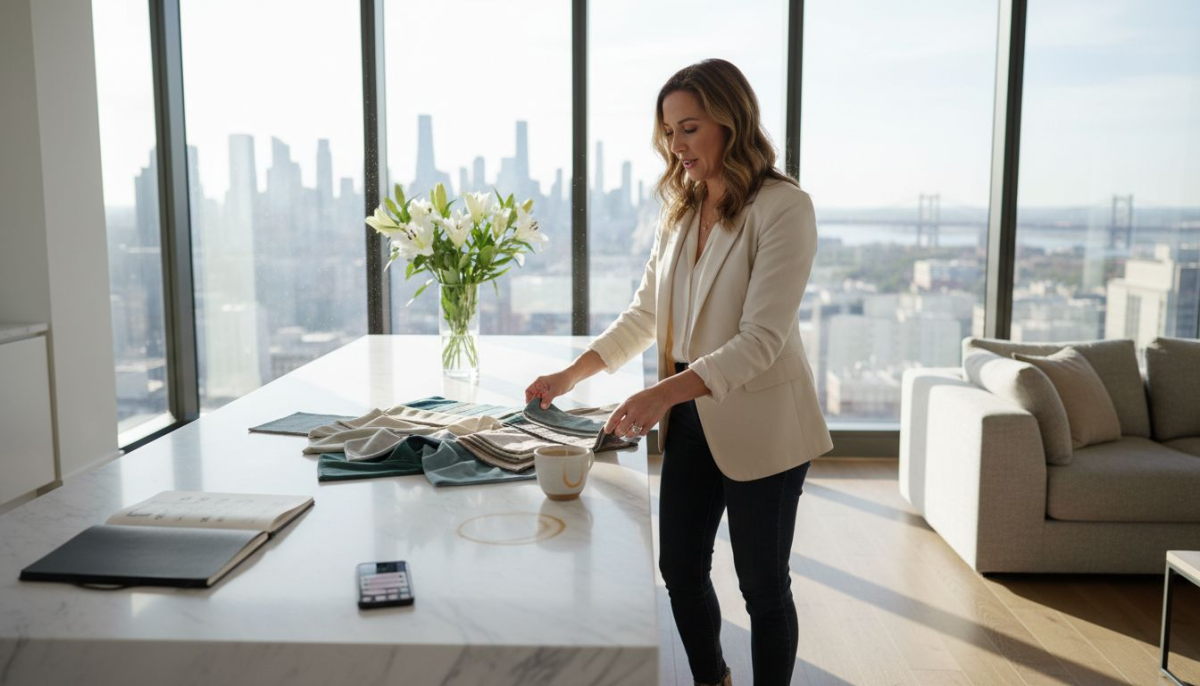
Document your inspirational discoveries by creating a physical or digital mood board. Collect fabric swatches, paint chips, material samples, and images that capture the essence of your desired aesthetic. This visual compilation will serve as a critical reference throughout your design journey.

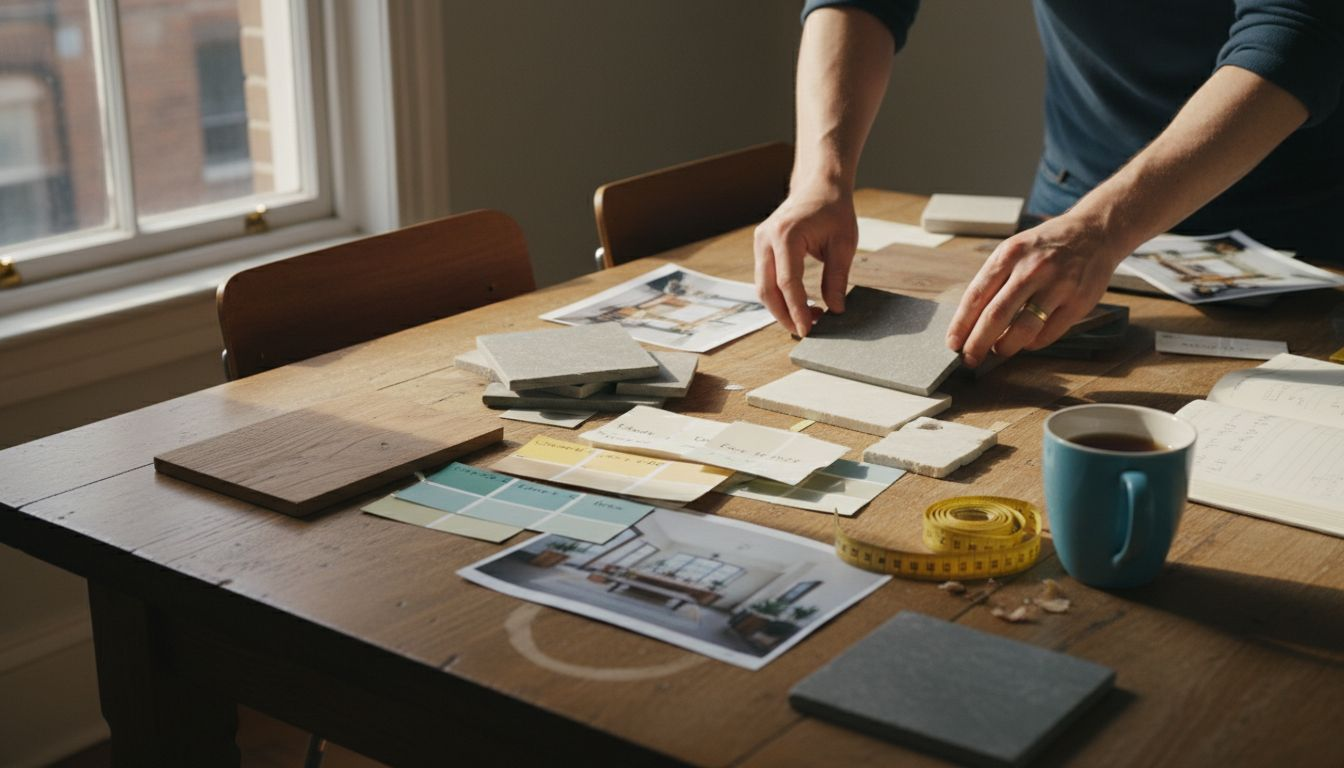
Man assembling home decor mood board

Pro tip: Photograph your inspiration collection in natural light to accurately assess how colors and textures interact, helping you make more informed design decisions.

Step 3: Select furnishings and refine layout

Selecting the right furnishings and refining your interior layout is a nuanced process that transforms your space from empty to extraordinary. Creating a functional and beautiful environment requires careful consideration of how each piece contributes to the overall design narrative.

Professional interior designers recommend approaching furniture selection through strategic criteria:

  • Scale and proportion relative to room dimensions
  • Comfort and ergonomic design
  • Material durability and performance
  • Aesthetic harmony with your established color palette
  • Flexibility for multiple uses
  • Balance between statement pieces and supporting furniture

When refining your layout, prioritize natural traffic flow and create intentional conversation zones. Consider how people will move through the space and arrange furniture to facilitate comfortable interaction while maintaining visual breathing room. Avoid pushing all furniture against walls – instead, create depth by floating pieces and establishing multiple focal points.

Thoughtful furniture placement transforms a room from a collection of objects into a living, breathing environment.

Evaluate each furniture piece not just for its individual beauty, but for how it contributes to the holistic design. A single well-chosen chair can anchor an entire room, while oversized or poorly placed furniture can disrupt the entire aesthetic balance.

Pro tip: Use painter’s tape to outline furniture dimensions on the floor before purchasing, helping you visualize scale and movement without committing to a purchase.

Step 4: Incorporate art, decor, and lighting layers

Transforming your interior design from functional to extraordinary requires thoughtful layering of art, decor, and lighting elements. Creating visual depth and emotional resonance means curating pieces that tell your unique story and enhance the space’s atmosphere.

Interior design professionals recommend approaching these elements strategically:

  • Art as a focal point and personal expression
  • Decor that adds texture and narrative
  • Lighting as a dynamic, functional design tool
  • Balanced compositions that create visual interest
  • Pieces that reflect your personal aesthetic and lifestyle
  • Intentional placement to guide visual movement

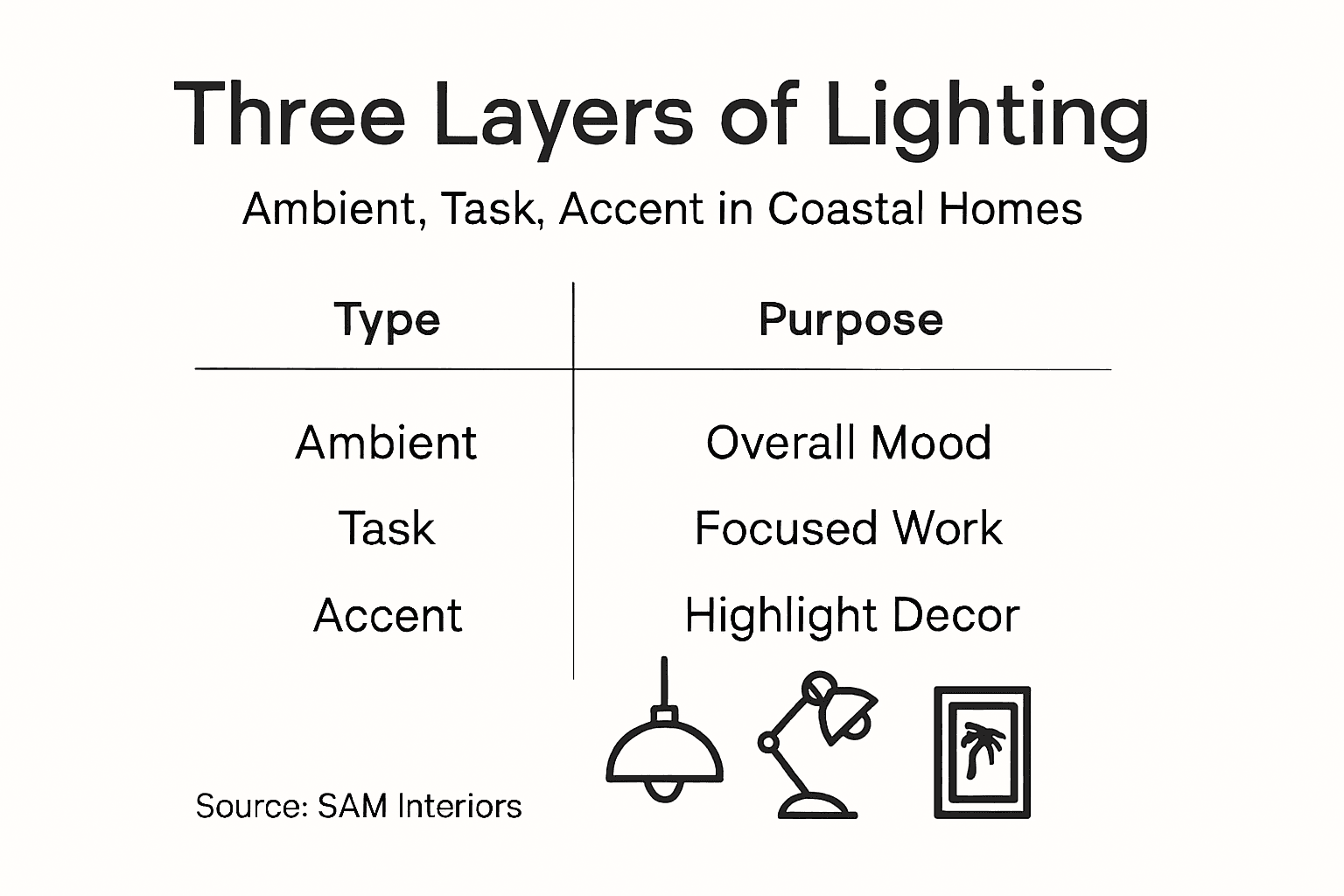
Think of lighting as the jewelry of your interior design. Layered lighting techniques create dimension and mood, using a combination of ambient, task, and accent lights. Strategically placed floor lamps, pendant lights, and recessed fixtures can dramatically transform a room’s perceived size and emotional temperature.

This table compares three lighting types for layering your space:

Lighting Type Purpose Design Impact
Ambient General illumination Sets overall mood
Task Focused lighting Enhances activity zones
Accent Highlights features Adds drama and interest

Art and decor are the punctuation marks that give your design its unique voice and rhythm.

When selecting artwork, consider pieces that resonate with your color palette and spark emotional connection. Decor should feel collected, not curated – mix vintage finds with contemporary pieces to create a sense of personal history and evolving style.

Pro tip: Install adjustable picture lights or track lighting to create museum-like focus on your most treasured art pieces, allowing you to dramatically shift the room’s atmosphere with a simple lighting adjustment.

Step 5: Review details and finalize your design

Here’s a summary of how each design step contributes to a successful interior redesign:

Design Step Main Focus Value Added Key Outcome
Assess Space Function and needs Tailored design solutions Room suits real lifestyle
Gather Inspiration Visual direction Cohesive color and style Unified aesthetic vision
Select Furnishings Furniture choice Comfort and harmony Functional, attractive space
Layer Art & Lighting Atmosphere Personal expression Depth and emotional impact
Review & Finalize Quality and unity Polished, cohesive results Ready-to-implement design

The final stage of interior design is a meticulous process of synthesizing all previous design elements into a cohesive, functional masterpiece. Transforming conceptual plans into reality requires a systematic and detail-oriented approach that ensures every aspect meets your original vision.

Design methodology experts recommend a comprehensive review process that includes:

  • Verifying color consistency across all elements
  • Checking material durability and performance
  • Confirming spatial functionality
  • Ensuring lighting effectiveness
  • Validating budget alignment
  • Reviewing overall aesthetic harmony

Carefully examine how each design element interacts with others. Spatial relationships matter tremendously – a seemingly perfect piece might disrupt the room’s flow or visual balance. Pay attention to subtle interactions between textures, colors, and proportions.

A truly exceptional design is not about perfection, but about creating a space that feels intuitively right.

Document your final design with detailed sketches, material samples, and digital renderings. This comprehensive documentation serves as both a planning tool and a roadmap for implementation, helping you communicate your vision clearly to contractors or installers.

Pro tip: Take high-resolution photographs of your design elements in natural light, creating a visual reference that will help you track details and make informed decisions throughout the implementation process.

Transform Your Interior Design Vision into Reality with SAM Interiors

Mastering the workflow of interior decorating means overcoming challenges like assessing spatial functionality, curating cohesive color palettes, and layering lighting and decor with purposeful intention. These critical steps ensure your home truly reflects your lifestyle and personal story. Yet, translating these ideas into a harmonious, livable space can feel overwhelming without expert guidance.

At SAM Interiors, award-winning designer Staci A. Meyers brings unparalleled artistry and attention to detail to every project. Whether you seek a family-friendly environment or a sophisticated setting for entertaining, Staci’s philosophy of Excellence by Design guarantees a space tailored perfectly to you. Explore inspiring transformations and practical solutions in our Case Study Archives – SAM Interiors to see how thoughtful design elevates daily living.

Ready to bring your interior decorating workflow to life with confidence? Visit SAM Interiors today, discover more inspiring ideas in our Archives – SAM Interiors, and take the first step toward a space that feels intuitively right for you.

Frequently Asked Questions

How do I assess my space for interior decorating?

Start by measuring the dimensions of your room and noting any architectural features, such as windows and doors. Document your findings through sketches and notes, highlighting how you currently use the space compared to how you want it to function.

What is a mood board, and how can it help in my decorating process?

A mood board is a visual collage that showcases your design inspirations, including color palettes, textures, and styles. Create one by gathering images, fabric swatches, and paint chips to guide your design decisions and ensure a cohesive look throughout your home.

How can I select the right furnishings for my space?

Choose furnishings based on their scale, comfort, and harmony with your color palette. Prioritize pieces that serve multiple functions, and ensure they complement the flow of the room to create a balanced environment.

What are some effective ways to incorporate art and decor into my design?

Utilize art and decor to add texture and personal expression to your space. Strategically place these elements to enhance visual interest and use layered lighting to highlight key pieces, creating a dynamic atmosphere.

How do I finalize my interior design and ensure everything works together?

Carefully review your design elements to ensure consistency in color, material quality, and spatial functionality. Document your final choices and maintain a checklist to confirm that all aspects align with your original vision before implementing the design.


Designing for Two Climates: How to Create a Cohesive Style Across Your Michigan and Florida Homes

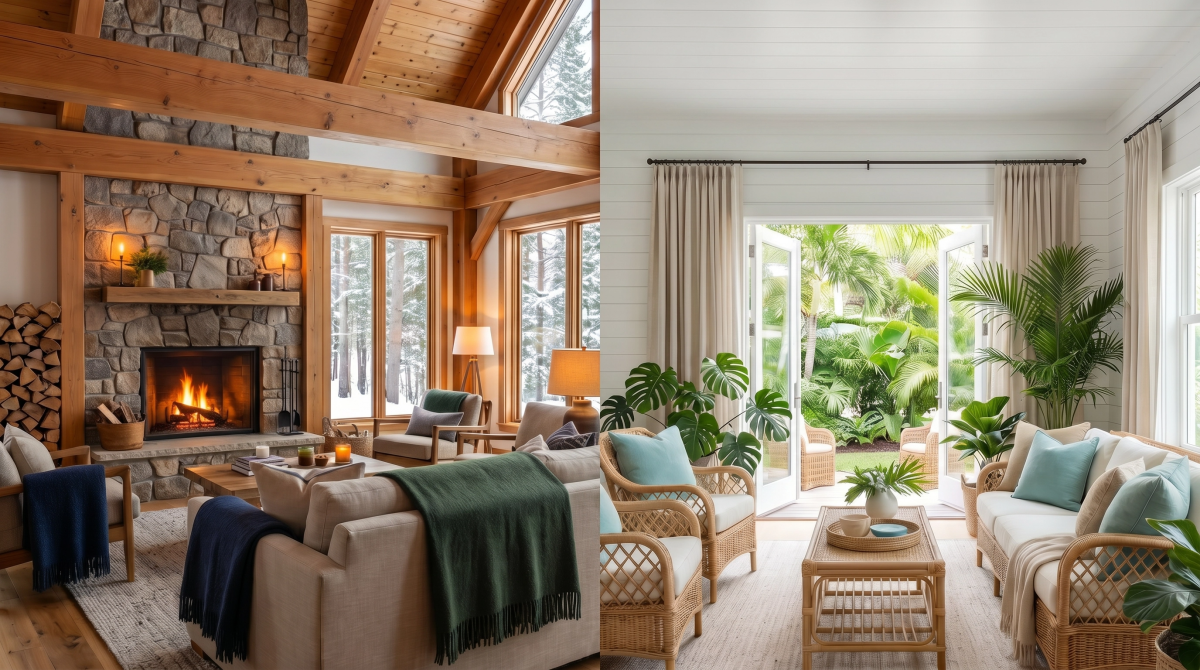
If you split your time between a Michigan home and a Florida retreat, you already know the feeling: you love both spaces, but they feel like they belong to two completely different people. One is cozy, layered, and grounded in the deep tones of a Great Lakes winter. The other is breezy, light-filled, and coastal. The good news is that a thoughtfully designed home in both climates can feel unmistakably like you—connected by a shared visual language that travels with you, no matter the season. With the right approach to color, materials, and furnishings, your two homes can feel like one beautiful story told in two chapters.

Table of Contents

Key Takeaways

Design Priority What It Means in Practice
Cohesion Over Matching Your homes don’t need identical furniture—they need a shared visual identity through color, texture, and style direction.
Climate-Appropriate Materials Choose fabrics and finishes suited to each environment while staying within the same design family.
A Grounding Color Palette Two or three anchor colors used in both homes create continuity without repetition.
Flexible Furniture Choices Pieces in natural materials like wood, rattan, and linen work beautifully in both northern and coastal settings.
Personal Touchstones Recurring art styles, a signature scent, or consistent decorative objects make both homes feel like home immediately.

Why Cohesion Matters More Than Matching

There’s a temptation, when decorating two homes in very different climates, to treat each one as a completely separate project. And while each space should absolutely respond to its surroundings, letting them drift too far apart creates a subtle disorientation. You walk into your Florida home after a long Michigan winter and it doesn’t quite feel like yours yet. You spend the first few days readjusting rather than relaxing.

Design researchers have long noted that our sense of “home” is tied to visual and sensory consistency. Studies on environmental psychology suggest that familiar visual cues—specific colors, recurring textures, a recognizable layout logic—trigger a feeling of safety and belonging almost immediately. When your two homes share a design language, the transition between them becomes seamless. You don’t have to “arrive” at either space. You’re already there.

Cohesion doesn’t mean your Michigan living room and your Naples sunroom should be decorated with the same furniture. It means they should feel like they were designed by the same person, for the same person. Think of it the way a well-dressed person might wear cashmere in January and linen in July—the fabrics change completely, but the aesthetic sensibility is the same.

Pro Tip: Before starting any design project for either home, create a single mood board that captures your overall aesthetic identity—not “Michigan” and not “Florida,” but just you. Use that board as the filter for every decision in both spaces.

Building a Shared Color Palette That Works in Both Climates

Color is the single most powerful tool for creating cohesion across two homes. When your Michigan and Florida spaces share two or three anchor colors—even used in different proportions or applications—your eye registers them as related the moment you walk in the door.

The palettes that tend to work beautifully in both climates are grounded in warm neutrals: think soft whites, sand, warm greiges, aged linens, and muted sage. These tones read as calm and refined in the bright, natural light of a Florida interior without looking washed out. In a Michigan home where winter light is softer and more filtered, those same tones feel warm and enveloping rather than stark. Architectural Digest notes that undertone consistency—choosing warm-based or cool-based neutrals and staying within that family—is what separates a palette that feels intentional from one that feels accidental.

Here’s a practical way to think about it: choose one primary neutral that appears in significant quantities in both homes (walls, large upholstered pieces), one secondary accent color that shows up in both spaces in smaller doses (pillows, art, a single painted piece), and one grounding darker tone used for contrast in both. The specific applications can vary—your Michigan home might use the dark tone on a moody library wall, while your Florida home uses it only in drapery hardware and picture frames—but the colors themselves are the same. That’s all it takes to create a throughline.

Palette Role Michigan Application Florida Application
Primary Neutral (e.g., warm white or sand) Walls, upholstered sofa Walls, linen drapery
Accent Color (e.g., muted sage or dusty blue) Throw pillows, artwork, a single chair Outdoor cushions, ceramic vases, bedding
Grounding Tone (e.g., deep walnut or charcoal) Accent wall, dark wood furniture Drapery rods, art frames, decorative objects

Pro Tip: Order actual paint samples in your Michigan home and photograph them in both morning and afternoon light before committing. Florida light is significantly brighter, so a color that reads as a soft sage in Michigan may look nearly white in a south-facing Florida room. Always test on-site before finalizing.

Choosing Materials and Textiles That Travel Well

Material choices are where climate differences become most practical. Michigan winters call for layered textiles—wool throws, velvet accent pillows, heavier drapery that insulates against cold windows. Florida’s heat and humidity demand breathable, wipeable, and fade-resistant materials that can handle both sun exposure and the occasional splash from a pool. These needs aren’t contradictory. They just require a little strategic thinking.

The materials that translate most naturally across both climates tend to be natural ones: solid wood (particularly lighter oak, white oak, or teak for coastal settings), rattan and cane, linen, and stone. Design editors consistently point to natural materials as the most timeless and climate-adaptable choices in residential interiors, precisely because they don’t read as “seasonal.” A rattan side table looks just as intentional in a snowy Michigan cottage as it does in a Florida lanai. A honed marble countertop works beautifully in both a warm Michigan kitchen and a bright Florida one.

Where you’ll want to make climate-specific adjustments is in the soft goods. In Michigan, you can lean into heavier fabrics—boucle, mohair, flannel—for upholstered pieces that you wouldn’t subject to Florida humidity. In Florida, favor performance fabrics (Sunbrella-type weaves, outdoor-rated linens, and solution-dyed acrylics) that resist UV fading and moisture. The trick is to keep the style of the pieces consistent even when the materials differ. A linen-upholstered armchair in Michigan and a performance-fabric armchair in a nearly identical silhouette in Florida reads as a considered design decision, not a mismatch.

Pro Tip: When selecting rugs for a Florida home, always choose flat-weave or low-pile options in indoor/outdoor materials. They’re far easier to clean and dry after humid days, and they come in the same refined patterns and warm tones as their higher-pile Michigan counterparts.

A Smart Furniture Strategy for Two-Home Living

One of the most common mistakes in two-home decorating is purchasing entirely separate furniture collections for each space—often in very different styles—because each purchase was made reactively, in response to that specific environment. The result is two homes that feel disconnected and an ongoing sense that neither space is quite finished.

A more intentional approach starts with defining a single furniture style that can flex between both climates. Transitional and coastal-transitional styles are particularly well-suited to this challenge. They combine the warmth and structure of traditional furniture with the lighter, airier proportions of coastal design. A furniture silhouette that is clean but not cold, relaxed but not casual, works in both a Michigan great room and a Florida living area without feeling out of place in either.

Case goods—tables, cabinets, and case storage—in white oak or light walnut are especially versatile. These wood tones are warm enough to anchor a layered Michigan interior and light enough not to feel heavy in a bright Florida room. Consider purchasing pieces that you genuinely love and could see moving between the two homes if your living situation ever changes. That flexibility is a sign you’ve found the right furniture direction.

Furniture Category Best Choice for Both Climates What to Avoid
Sofas & Upholstery Natural linen or performance fabric in warm neutrals Dark velvet (too heavy for Florida), all-white (unforgiving in both)
Case Goods (tables, cabinets) White oak, light walnut, or painted white Very dark or very rustic finishes that clash with Florida light
Accent Pieces Rattan, cane, ceramic, woven textures Heavily seasonal pieces (log-look, nautical novelty)
Rugs Warm-toned neutrals in wool (MI) or indoor/outdoor weaves (FL) Shag or high-pile in Florida; thin flatweaves that look spare in Michigan

Pro Tip: Before buying new furniture for either home, ask yourself: “Would I be happy with this piece in the other house?” If the answer is yes, it’s likely in the right design family. If the answer is a hard no, it may pull the two spaces further apart rather than closer together.

Carrying Your Personal Details Across Both Homes

The deepest kind of design cohesion isn’t visual—it’s personal. The homes that feel most intentional and most alive are the ones where the owner’s specific tastes, interests, and sensibilities show up in both spaces in recognizable ways. This doesn’t require duplicating your art collection or bringing the same decorative objects to both locations. It means identifying a handful of signature elements that travel with you everywhere.

This might be a consistent approach to art: if you collect original oil paintings in Michigan, make sure your Florida home features original work too, perhaps in a lighter palette suited to the environment but in a similar style or from the same period. It might be a signature plant—olive trees work beautifully as indoor statement plants in both climates with the right light. It might be a repeated material used for decorative objects: if hand-thrown ceramic vessels appear on your Michigan shelves, the same or similar ceramics should anchor surfaces in Florida. These recurring touchstones are what make guests feel they’ve walked into your home, not just any well-decorated house.

Even something as simple as a consistent candle or diffuser scent can do powerful work. Research on sensory memory consistently shows that scent is among the strongest triggers of place-based recognition and comfort. A scent you use in both homes does quiet but real work in making the transition feel immediate and settled.

Pro Tip: Make a short list of three to five “signature elements” that define your design identity—an art style, a material, a recurring color, a type of plant. Confirm that each one is present in both homes before you consider either space complete.

Frequently Asked Questions

Do my two homes need to have the same interior design style?

Not exactly the same—but they should share a clear aesthetic identity. Think of your overall design sensibility as the constant, and the specific climate adaptations as the variables. The same color palette, material family, and furniture style direction will create cohesion even if the specific pieces and applications differ between Michigan and Florida.

What color palettes work well in both Michigan and Florida interiors?

Warm neutrals—sandy whites, soft greiges, aged linen tones, and muted sage—tend to perform beautifully in both climates. They’re warm enough to feel cozy in lower Michigan light and clean enough not to feel heavy in Florida’s brightness. Avoid anything too deeply saturated or too stark; both extremes can be hard to manage across very different light conditions.

Can I use the same furniture in both homes?

For case goods (tables, cabinets, shelving) in durable materials like solid wood or painted finishes, yes—many pieces can physically move between homes if needed. For upholstered pieces, you’ll likely want to choose the right fabric for each climate (heavier textiles for Michigan, performance fabrics for Florida) while keeping the silhouettes and style consistent across both spaces.

How do I handle the humidity difference between Michigan and Florida when choosing materials?

For Florida, prioritize materials that are moisture-resistant and UV-stable: teak or outdoor-rated wood, stone and tile, solution-dyed performance fabrics, and sealed finishes. In Michigan, you have more latitude with natural textiles and softer wood finishes. The key is choosing a material family—natural woods, stone, linen tones—that spans both environments even if the specific specifications differ.

Should I hire one interior designer to work on both homes?

Whenever possible, yes. Working with a single designer across both projects is the most reliable way to ensure genuine cohesion. A designer who knows both spaces—your Michigan home’s light, your Florida home’s proportions, your personal style across both—can make intentional decisions that tie them together in ways that are impossible to achieve when the projects are treated separately.

How long does it typically take to design both homes together?

A comprehensive two-home design project typically runs six to eighteen months depending on scope, lead times on custom furnishings, and whether any renovation work is involved. Working with an experienced designer who manages both projects in tandem—rather than sequentially—typically produces better results and a tighter cohesive vision.

How to Select Home Furnishings for Lasting Style and Comfort

Learn how to select home furnishings that balance elegance, durability, and your personal style. Follow this step-by-step guide for confident, beautiful results.

Every elegant home in Michigan or Florida begins with a clear sense of what truly matters to you. The journey to selecting stylish, long-lasting furnishings is about more than updating a look or adding comfort—it is about aligning design with your daily routines and future aspirations. By focusing on a comprehensive point of view that addresses both aesthetics and personal needs, you will discover how to craft spaces that reflect your identity while supporting your lifestyle. Defining your design vision is the foundation of a truly exceptional living environment.

Table of Contents

Quick Summary

Key Insight Explanation
1. Define your design vision Create a comprehensive vision that aligns with your lifestyle and aesthetic preferences to guide your interior design choices.
2. Measure space and budget wisely Accurate measurements and a clear budget help ensure furniture fits and meets financial considerations effectively.
3. Prioritize material durability Choose furnishings made from durable materials that withstand daily use, balancing beauty with functionality and longevity.
4. Coordinate colors and textures Develop a cohesive color palette and mix textures thoughtfully to create an inviting and unified design story.
5. Assess quality and comfort thoroughly Test furniture quality and comfort by simulating everyday use to ensure pieces provide the necessary support and durability.

Step 1: Define your design vision and lifestyle needs

Defining your design vision starts with understanding how your home furnishings will support your unique daily experiences. The goal is to create an environment that not only looks beautiful but seamlessly integrates with your personal lifestyle and functional requirements.

Successful interior design begins by creating a comprehensive point of view that captures your specific needs and aesthetic preferences. Consider these strategic approaches to crystallize your design vision:

  • Analyze daily routines and identify how different spaces will be used
  • Document your personal aesthetic preferences through visual mood boards
  • Evaluate functional requirements for each living area
  • Consider long-term lifestyle changes that might impact furniture selections

A thoughtful design vision transcends mere decoration. It’s about crafting an environment that reflects your personality while providing practical support for your lifestyle. Interior environments should address human needs including aesthetics, functionality, comfort, and personal well-being.

Your design vision is a roadmap that transforms spaces from mere rooms into meaningful personal sanctuaries.

Start by creating a comprehensive inventory of your lifestyle needs. This might include understanding how you entertain, work, relax, and move through your living spaces. Consider factors like family dynamics, professional requirements, hobbies, and future plans that could influence your design choices.

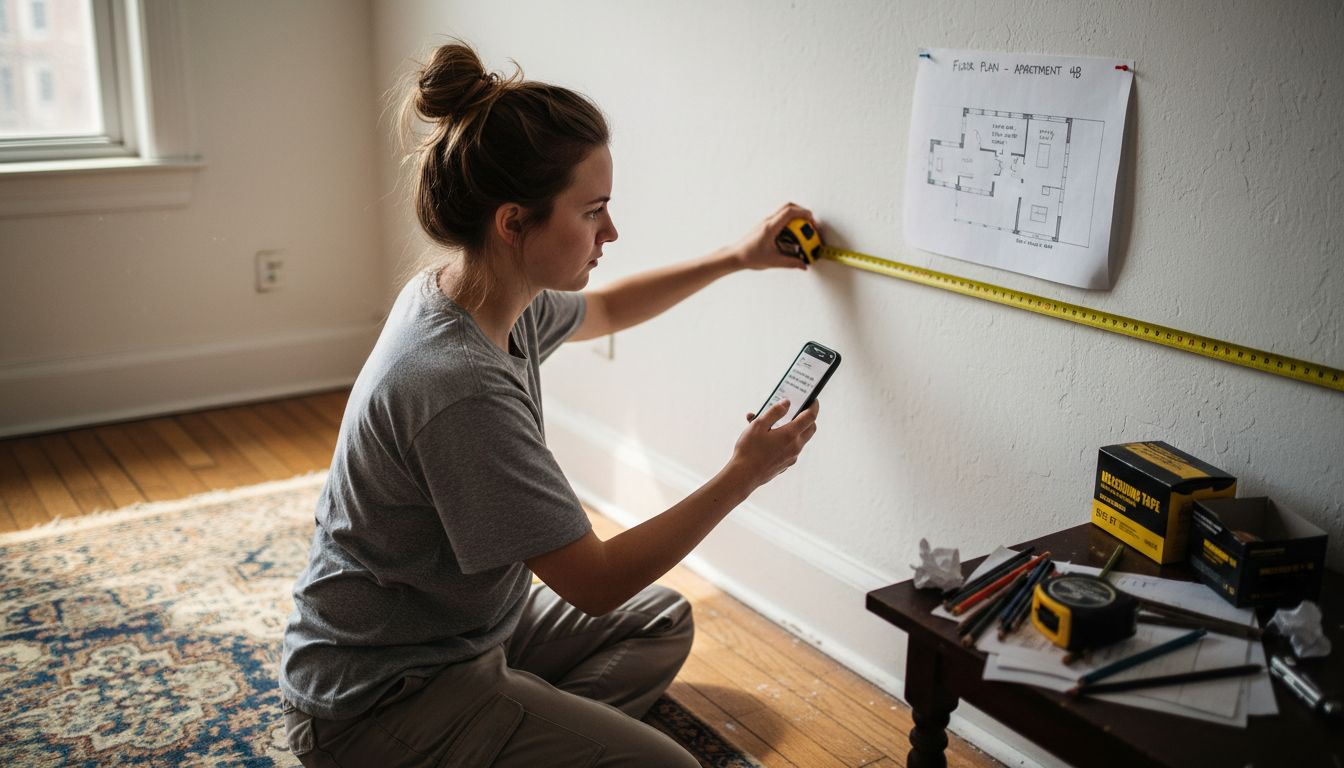
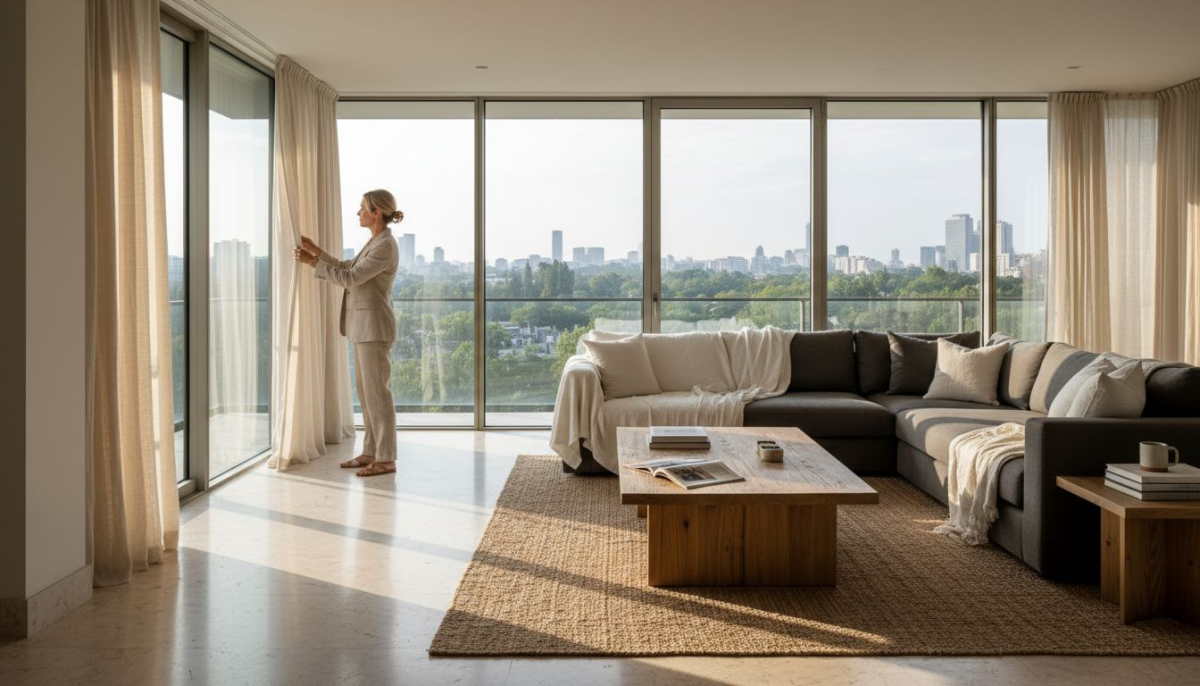
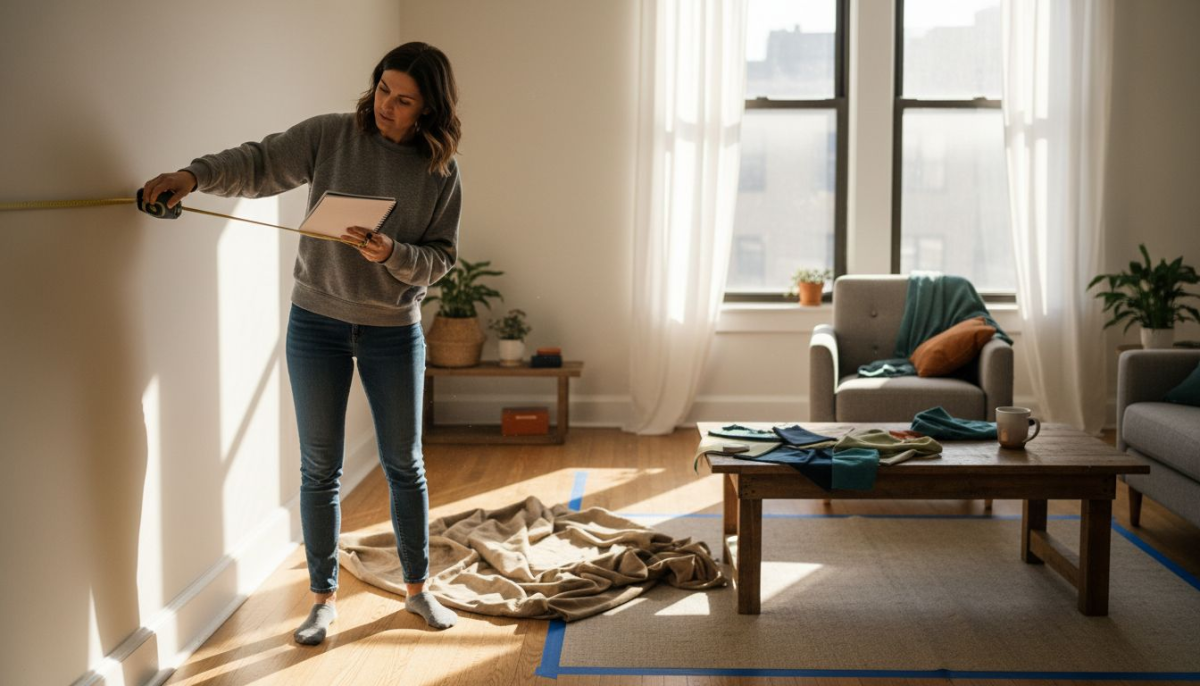
Woman measuring room length for layout planning

Pro tip: Capture your design vision through detailed sketches, digital mood boards, or curated image collections that help you articulate your spatial aspirations and functional requirements.

Step 2: Measure your space and set a furnishings budget

Selecting the perfect home furnishings requires a strategic approach that balances spatial constraints with financial planning. Your goal is to create a comprehensive understanding of both your physical environment and financial capabilities before making any purchasing decisions.

Start by developing a systematic space allocation strategy that provides a clear blueprint for your furnishings. Accurate measurements are crucial to ensuring that your selected pieces will fit seamlessly into your living spaces. Here are the key steps to measure your space effectively:

  • Measure room dimensions precisely using a laser measure or steel tape measure
  • Document wall lengths, including windows, doors, and architectural features
  • Create a scaled floor plan on graph paper or using digital design tools
  • Note electrical outlet locations and potential furniture placement constraints

Simultaneously, developing a comprehensive budget requires careful financial analysis. Understand your financial landscape by breaking down your approach into clear financial categories:

  • Calculate total available funds for furnishings
  • Determine priority areas for investment
  • Establish percentage allocations for different room types
  • Include buffer funds for unexpected expenses

Successful home furnishing is about creating a harmonious balance between spatial possibilities and financial realities.

Consider your long-term lifestyle needs when setting your budget. This means thinking beyond immediate aesthetics and focusing on durability, functionality, and potential future changes in your living situation.

Pro tip: Take detailed photographs of your space alongside measurements to create a comprehensive visual and dimensional reference that will help you make more informed furnishing decisions.

Step 3: Evaluate materials and prioritize durability

Choosing home furnishings that stand the test of time requires a strategic approach to material selection and understanding performance characteristics. Your objective is to invest in pieces that not only look beautiful but can withstand daily use and maintain their quality for years to come.

Durability principles guide material selection across different categories of home furnishings. Understanding the nuanced differences between natural and synthetic materials will help you make informed decisions that balance aesthetics, functionality, and longevity:

  • Assess material performance under everyday stress conditions
  • Compare wear resistance of different fabric and surface treatments
  • Evaluate maintenance requirements for each material type
  • Consider environmental impact of material production and lifecycle

Key material evaluation criteria include:

  • Fabric durability for upholstered furniture
  • Surface hardness for tables and countertops
  • Resilience to moisture and temperature changes
  • Resistance to UV and sunlight degradation

Comparative research on material properties reveals critical insights into long-term performance. Natural materials like wood and cotton offer organic beauty, while synthetic options provide enhanced durability and easier maintenance.

Here’s a summary of how different material types affect home furnishing outcomes:

Material Type Pros Cons Best Use Cases
Natural (Wood, Cotton) Organic look, breathable, often renewable May require more maintenance, some durability limits Formal living rooms, eco-friendly homes
Synthetic (Polyester, Engineered wood) Highly durable, resistant to stains and fading Less authentic appearance, may off-gas chemicals High-traffic areas, homes with pets or kids
Blended (Mix of natural and synthetic) Combines durability and comfort, balanced options Can be more expensive, variable longevity Bedrooms, multi-purpose spaces

Intelligent material selection transforms furniture from mere objects into lasting investments that grow more meaningful with time.

Consider your specific lifestyle needs when prioritizing durability. A home with active children or pets might require different material standards compared to a more formal living environment.

Pro tip: Request material samples and conduct personal durability tests by applying simulated stress like rubbing, moisture exposure, and color-fast assessments before making final purchasing decisions.

Step 4: Coordinate colors, textures, and finishes

Creating a harmonious interior design requires thoughtful coordination of colors, textures, and finishes that work together to create a cohesive and inviting living space. Your goal is to develop a visual language that tells a unified story through your home furnishings.

Color harmony theories offer strategic guidance for developing a sophisticated color palette. Understanding how colors interact helps you create balanced and visually compelling environments that reflect your personal style:

  • Identify your primary color palette
  • Select complementary and analogous color schemes
  • Consider color undertones and temperature
  • Balance neutral and accent colors

Texture and finish coordination adds depth and visual interest to your design:

  • Layer different fabric textures (smooth, nubby, woven)
  • Mix wood finishes with varying sheens
  • Combine metallic and matte surfaces
  • Create visual rhythm through texture variation

Successful pattern and texture mixing requires a strategic approach to proportion and consistency. Consider scale, color tone, and visual weight when combining different design elements.

Thoughtful coordination transforms individual pieces into a harmonious, sophisticated design narrative.

Remember that coordination is about creating visual dialogue between different elements. Each piece should complement others while maintaining its unique character.

Pro tip: Create a physical mood board with fabric swatches, paint chips, and material samples to visualize how different colors, textures, and finishes interact before making final design decisions.

Step 5: Assess quality and test for comfort

Selecting home furnishings requires more than visual appeal. Your ultimate goal is to choose pieces that provide exceptional comfort, durability, and support for your daily lifestyle. Understanding how to thoroughly evaluate quality and comfort becomes critical in making informed purchasing decisions.

Comprehensive comfort assessment involves multiple dimensions beyond simple visual inspection. This holistic approach examines physical, psychological, and ergonomic factors that contribute to a piece’s overall performance:

  • Evaluate seat depth and cushion firmness
  • Test weight distribution and support
  • Check material flexibility and resilience
  • Assess potential pressure points

Quality evaluation criteria should include:

  • Construction integrity of joints and connections
  • Material durability under repeated use
  • Structural stability across different positions
  • Fabric strength and wear resistance

Furniture safety standards provide additional quality benchmarks that go beyond basic comfort metrics. These technical guidelines help ensure that your selected furnishings meet rigorous performance and safety requirements.

Quality is not an accident, but a result of intelligent effort and precise execution.

Remember that comfort is subjective. What works perfectly for one person might feel uncomfortable for another. Take time to personally test and experience each piece in realistic usage scenarios.

Pro tip: Spend at least 10-15 minutes sitting or testing each furniture piece, simulating your typical usage patterns to get an accurate sense of long-term comfort and support.

Step 6: Review selections to ensure cohesive style

Creating a harmonious interior design requires careful review and thoughtful selection of furnishings that work together seamlessly. Your goal is to curate a collection of pieces that tell a unified visual story while reflecting your personal aesthetic and lifestyle needs.

Furniture decision-making involves holistic style assessment that goes beyond individual piece appeal. Successful style cohesion requires strategic evaluation of how different elements interact and complement each other:

  • Compare color palettes across selected pieces
  • Assess visual weight and proportion
  • Verify design style consistency
  • Check material and finish harmony

Key review strategies include:

  • Create a comprehensive room layout
  • Photograph potential arrangements
  • Use digital design tools for visualization
  • Compare pieces side by side

Sustainable furnishings councils emphasize storytelling through design choices that reflect personal values and aesthetic vision. This means looking beyond individual items to understand how they collectively communicate your design narrative.

This table highlights ways to ensure cohesive style throughout your interior:

Cohesion Strategy Description Visual Impact
Unified Color Theme Use recurring color palettes Creates a calm, balanced look
Consistent Proportion Choose furniture with related scale Enhances flow and comfort
Material Matching Pair similar wood finishes or metals Conveys intentional design
Accent Variety Add distinct statement pieces Maintains interest and personality

A cohesive interior is not about matching everything perfectly, but creating a thoughtful dialogue between different design elements.

Remember that style cohesion is about creating intentional relationships between furnishings, not eliminating all individuality. Each piece should contribute to the overall narrative while maintaining its unique character.

Pro tip: Step back and view your room from multiple angles, taking photographs to objectively assess how selected furnishings interact and flow together.

Elevate Your Home Furnishing Choices with Expert Design Guidance

Choosing home furnishings that blend lasting style with everyday comfort can feel overwhelming. This article highlights common challenges like defining your design vision, balancing durability with aesthetic appeal, and ensuring cohesive style. If you want to move beyond guesswork and create a truly personalized space that fits your lifestyle and needs, expert support is essential.

At SAM Interiors, Staci A. Meyers combines award-winning design expertise with a passion for crafting interiors that reflect your unique vision. Explore inspiring transformations in our Case Study Archives – SAM Interiors to see how thoughtful space planning, material selection, and color coordination come together seamlessly. Do not settle for temporary solutions when lasting beauty and comfort are within reach. Visit SAM Interiors today and start turning your home furnishing dreams into a vibrant reality.

Take the next step by discovering how intentional design can transform your home into a sanctuary tailored just for you.

Frequently Asked Questions

How can I define my design vision for home furnishings?

To define your design vision, start by analyzing your daily routines and identifying how different spaces will be used. Create mood boards to visualize your aesthetic preferences and consider long-term lifestyle changes that may affect your choices.

What steps should I take to measure my space accurately?

Begin by measuring the room dimensions with a tape measure, documenting wall lengths, and noting architectural features. Create a scaled floor plan to visualize how furniture will fit, ensuring to include electrical outlet locations for optimal placement.

How can I assess materials for durability in home furnishings?

Evaluate materials by comparing their performance under everyday stress, including wear resistance and maintenance requirements. Request samples and conduct simple durability tests on fabrics and surfaces before making final selections.

What should I consider when coordinating colors and textures?

Identify your primary color palette and select complementary colors to create visual harmony. Experiment with layering different textures and finishes to add depth, ensuring a cohesive look throughout your space.

How can I test for comfort in furniture before purchasing?

Thoroughly evaluate comfort by sitting on each piece for at least 10–15 minutes, simulating how you would typically use it. Pay attention to seat depth and cushion firmness to ensure it meets your comfort needs.

What strategies can help ensure a cohesive style in my interior design?

Review all selected pieces for color, proportion, and design consistency, comparing them side by side if necessary. Create a comprehensive room layout to visualize how each item interacts and flows together.

Why Hire an Interior Designer: Transforming Luxury Homes

Why hire an interior designer? Discover the cost savings, stress reduction, and personalized design expertise that elevate sophisticated homes in Florida and Great Lakes regions.

Transforming a luxury home in coastal Florida or the Great Lakes region is rarely as simple as choosing elegant fabrics or arranging grand furniture. The role of a professional interior designer is much more profound, blending creative intuition with research-backed methodologies to develop spaces that honor both comfort and style. If you value sophistication, collaboration with an expert brings personalized solutions, access to exclusive materials, and the confidence that your environment will align beautifully with your vision and lifestyle.

Table of Contents

Key Takeaways

Point Details
Interior Designers as Strategic Partners They blend aesthetic vision with functional design to create harmonious living spaces tailored to individual lifestyles.
Value of Professional Expertise Hiring interior designers minimizes stress, reduces errors, and enhances project outcomes thanks to their industry knowledge and resources.
Personalized Design Solutions Custom designs reflect homeowners’ identities and values, ensuring spaces are both visually compelling and psychologically supportive.
Project Management Efficiency Designers manage complex timelines and budgets, streamlining the process and safeguarding against potential design pitfalls.

Defining the Interior Designer’s Role

Interior design is a sophisticated profession that goes far beyond simply selecting colors and arranging furniture. Professional interior designers are strategic problem solvers who transform living environments by integrating aesthetic vision with functional expertise. Interior designers blend creative intuition with research methodologies to create spaces that are not just visually stunning, but also optimally suited to their inhabitants’ lifestyles.

The core responsibilities of an interior designer extend across multiple critical dimensions:

  • Space planning and layout optimization
  • Aesthetic composition and visual harmony
  • Material and color selection
  • Functional design solutions
  • Budget and project management
  • Client consultation and collaboration

At its foundation, interior design represents an intricate blend of art and science. Spatial intelligence allows designers to understand how physical environments influence human experience, mood, and behavior. They must simultaneously consider architectural constraints, client preferences, cultural context, and technical specifications to craft truly exceptional living spaces.

Professional interior designers like those at SAM Interiors approach each project as a unique narrative, translating client aspirations into tangible, beautifully crafted environments. They employ a systematic yet creative approach that balances technical precision with artistic expression, ensuring every design solution is both innovative and deeply personal.

Here’s how the roles of professional interior designers uniquely impact luxury home projects:

Role Aspect Impact on Homeowner Experience Long-Term Value
Space Planning Maximizes comfort and flow Increases usability over time
Material Sourcing Access to premium selections Maintains luxury appeal
Project Management Reduces project stress Minimizes costly errors
Personalized Design Reflects individual lifestyle Enhances daily enjoyment

Pro tip: Always schedule an initial consultation with a designer to understand how their design philosophy aligns with your vision and lifestyle requirements.

Key Benefits for Affluent Homeowners

For discerning homeowners seeking to elevate their living environments, hiring an interior designer offers far more than aesthetic improvements. Interior design research highlights strategic home value enhancement through personalized, sophisticated design solutions that transform residential spaces into extraordinary living experiences.

The key benefits for affluent homeowners include:

  • Personalized design solutions tailored to individual lifestyle
  • Access to exclusive materials and trade resources
  • Professional project management and coordination
  • Enhanced property value and market positioning
  • Comprehensive spatial optimization
  • Seamless integration of functional and aesthetic elements

Professional interior designers bring substantial expertise that transcends conventional decorating. They function as strategic partners who understand the nuanced relationship between architectural design, personal aesthetic preferences, and lifestyle requirements. By synthesizing technical knowledge with creative vision, designers craft environments that are not just visually compelling, but also deeply resonant with the homeowner’s unique sensibilities.

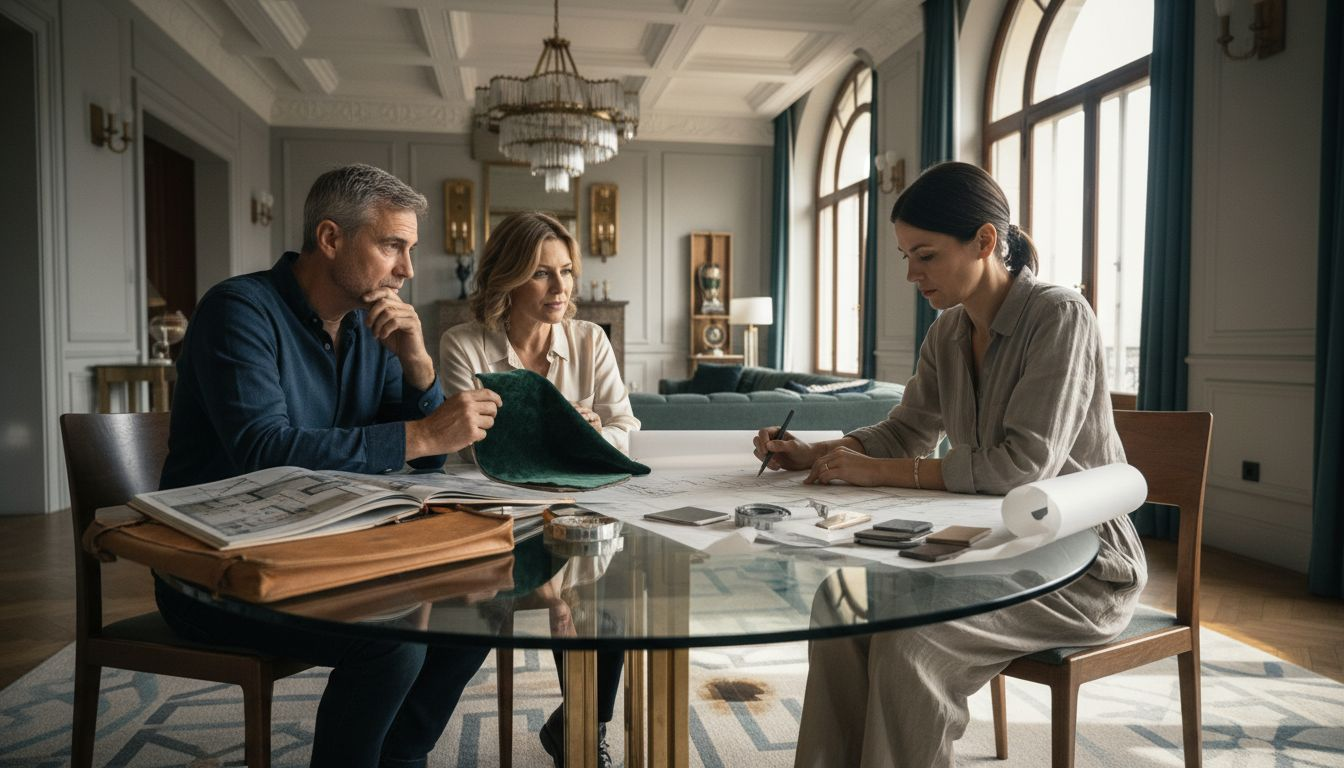
Designer consulting clients in elegant living room

Moreover, luxury interior design services provide significant long-term benefits. Professional designers leverage industry connections, negotiate better pricing, manage complex logistical challenges, and ensure cohesive design execution. Their holistic approach minimizes potential errors, reduces project timelines, and ultimately delivers a more refined, meticulously curated living environment that reflects the homeowner’s aspirations.

Pro tip: Request a comprehensive design portfolio and discuss past project outcomes during your initial consultation to ensure alignment with your vision and expectations.

Personalized Spaces and Lifestyle Integration

Designing a luxury home transcends mere decoration – it’s about creating an environment that seamlessly reflects and enhances the homeowner’s unique lifestyle. Interior design strategies transform residential spaces by integrating ergonomics, personal preferences, and sophisticated aesthetic principles.

Key elements of lifestyle-driven design include:

  • Ergonomic furniture placement
  • Customized spatial flow
  • Personal narrative integration
  • Psychological comfort optimization
  • Functional aesthetic alignment
  • Adaptable living environments

Personalized design goes beyond visual appeal, functioning as a holistic approach to creating living spaces that authentically represent an individual’s identity, values, and daily rhythms. Professional interior designers act as strategic translators, transforming abstract lifestyle preferences into tangible spatial experiences that feel both intuitive and extraordinary.

Most importantly, truly personalized spaces are living ecosystems that evolve with the homeowner. They incorporate meaningful materials, curated art pieces, and intelligent design solutions that support daily routines while expressing individual character. By understanding subtle nuances of personal style, designers craft environments that are not just beautiful, but profoundly meaningful and psychologically supportive.

Pro tip: Compile a mood board of personal inspirations, lifestyle habits, and cherished objects before meeting with your interior designer to facilitate a more authentic design conversation.

Cost, Time, and Stress Management Value

Navigating a luxury home design project requires expert management to control escalating costs, complex timelines, and potential emotional stress. Professional interior designers serve as strategic project managers who transform what could be an overwhelming process into a smooth, enjoyable experience of creating your dream living environment.

Key advantages in project management include:

  • Comprehensive budget forecasting and tracking
  • Vendor relationship and negotiation management
  • Streamlined communication across multiple stakeholders
  • Proactive problem-solving and contingency planning
  • Efficient resource allocation
  • Minimized design implementation errors

Project complexity management is perhaps the most critical value designers provide. They possess intricate knowledge of materials, construction processes, and potential pitfalls that can derail expensive home renovation projects. By anticipating challenges before they emerge, designers save homeowners substantial financial and emotional investments, preventing costly mistakes that could compromise the entire design vision.

Moreover, professional designers leverage extensive professional networks to secure competitive pricing, access exclusive resources, and coordinate specialized craftspeople. Their systematic approach reduces project timelines, controls unexpected expenses, and ensures that every design decision aligns with the homeowner’s original vision and budgetary constraints. This strategic oversight transforms what could be a stressful experience into a collaborative, exciting journey of home transformation.

Pro tip: Request a detailed project management timeline and communication protocol during your initial designer consultation to establish clear expectations and minimize potential misunderstandings.

Comparing DIY Design vs. Professional Expertise

Many homeowners initially consider do-it-yourself design as a cost-saving strategy, but the complexity of creating a truly sophisticated living environment quickly reveals the limitations of amateur design attempts. Professional design expertise transforms home transformation by bridging the critical gap between aesthetic vision and technical execution.

Key distinctions between DIY and professional design include:

  • Technical design knowledge and implementation skills
  • Access to exclusive design resources
  • Comprehensive spatial planning expertise
  • Professional vendor and trade network connections
  • Advanced material and finish selection capabilities
  • Strategic budget management

Design complexity extends far beyond selecting attractive furniture and paint colors. Professional interior designers bring sophisticated understanding of spatial relationships, light dynamics, ergonomic principles, and architectural integration that amateur designers simply cannot replicate. They translate conceptual ideas into meticulously crafted environments that harmonize aesthetic preferences with functional requirements.

Moreover, professional designers provide substantial financial protection. Their expertise helps avoid costly mistakes, inefficient design choices, and implementation errors that can dramatically increase overall project expenses. By leveraging industry relationships, professional negotiation skills, and comprehensive project management, designers often save homeowners money despite their initial consultation and design fees.

Compare the outcomes of DIY vs. professional interior design for luxury homes:

Design Approach Potential Risks Typical Results
DIY Design High chance of mistakes and delays Results may lack cohesion
Professional Designer Expert oversight and guidance Consistent, high-end finish

Pro tip: Request a detailed portfolio showcasing previous project transformations to understand the breadth of professional design capabilities beyond surface-level aesthetics.

Elevate Your Luxury Home with Expert Interior Design

Hiring a professional interior designer is the key to overcoming common challenges like managing complex spatial planning, balancing aesthetic beauty with function, and reducing stress during home transformation. This article highlights essential pain points such as personalized design integration, expert project management, and access to exclusive materials — all critical for creating luxurious living spaces that truly reflect your lifestyle.

At SAM Interiors, Staci A. Meyers brings award-winning expertise to help you navigate these challenges. With a refined approach rooted in Excellence by Design, Staci crafts sophisticated environments tailored to your unique vision while expertly managing budgets and timelines. Explore inspiring transformations in our Case Study Archives – SAM Interiors where real projects reveal how professional design turns aspirations into reality. For insights and updates on design trends and best practices, visit our Uncategorized Archives – SAM Interiors.

Don’t let the complexities of luxury home design hold you back. Discover how expert guidance elevates not just your space, but your lifestyle. Visit SAM Interiors today to schedule your personalized consultation and begin your journey to a truly extraordinary home.

Frequently Asked Questions

What are the main benefits of hiring a professional interior designer for a luxury home?

Hiring a professional interior designer provides personalized design solutions, access to exclusive materials, and expert project management, ultimately enhancing property value and creating a tailored living environment.

How can an interior designer enhance the functionality of my space?

Interior designers optimize space planning, ensuring efficient layouts and ergonomic furniture placement that maximize comfort and usability for homeowners.

What should I expect during my initial consultation with an interior designer?

During the initial consultation, you will discuss your design vision, lifestyle requirements, and budget with the designer. It’s helpful to share a mood board or inspiration images to facilitate a meaningful design conversation.

How does professional interior design save time and reduce stress during a home project?

Professional designers manage project timelines, vendor communications, and potential issues proactively, allowing homeowners to enjoy the process without the stress of coordinating complex logistics and details.


How to Personalize Interiors for Unique, Functional Spaces

Learn how to personalize interiors step-by-step for homes in coastal Florida and Michigan, ensuring spaces reflect your lifestyle and deliver lasting functionality.

Every sophisticated home tells a story shaped by the people who live there. For discerning families in Florida and Michigan, transforming a space means more than choosing colors or furnishings. Thoughtful design creates interiors that look stunning and work seamlessly for busy gatherings, quiet evenings, and everything in between. This guide shares how a professional approach to assessing your needs, selecting materials, and refining details leads to a truly personalized sanctuary that elevates both comfort and style.

Table of Contents

Quick Summary

Key Insight Explanation
1. Assess Lifestyle Needs First Understand your daily routines and family dynamics to create functional, personalized spaces.
2. Select Signature Colors and Materials Choose colors and textures that reflect your personality while ensuring durability and functionality.
3. Incorporate Meaningful Furniture Use furniture that tells your personal story and serves a functional purpose, focusing on quality over quantity.
4. Layer Lighting Effectively Design a versatile lighting strategy that enhances the mood and supports different activities.
5. Verify Cohesiveness and Make Adjustments Evaluate your design for visual balance and functional flow, making subtle refinements as needed.

Step 1: Assess Lifestyle Needs and Design Goals

Successfully personalizing interior spaces begins with understanding your unique lifestyle requirements and design aspirations. By carefully evaluating how you live, work, and interact within your environment, you can create spaces that seamlessly blend functionality with personal expression.

Start by conducting a comprehensive assessment of your daily routines, family dynamics, and specific spatial needs. Interior designers create functional spaces by understanding precise client goals and movement patterns. This process involves mapping out key considerations:

  • Family composition – Number of residents, ages, and individual requirements
  • Work and recreation patterns – Home office needs, entertainment spaces, relaxation zones
  • Activity flow – How people move through and utilize different areas
  • Personal aesthetic preferences – Color palettes, design styles, and emotional responses to various environments

The goal is to develop a holistic understanding that transforms your interior from mere physical space into a personalized sanctuary. Your design should support comfortable daily living while reflecting your individual personality and practical requirements.

A truly personalized space isn’t just about appearance – it’s about creating an environment that actively supports your lifestyle.

Pro tip: Photograph and document your current living patterns for 1-2 weeks to uncover hidden spatial needs and movement dynamics.

Step 2: Select Signature Colors, Materials, and Finishes

Creating a truly personalized interior requires thoughtful selection of colors, materials, and finishes that reflect your unique style and functional needs. Materials and textiles significantly impact aesthetics by adding depth, character, and emotional resonance to your living spaces.

Develop your signature design language by exploring these key elements:

  • Color palette – Select hues that evoke your desired emotional response and complement your lifestyle
  • Texture variety – Mix materials that provide visual and tactile interest
  • Durability considerations – Choose finishes that withstand your specific usage patterns
  • Sustainable options – Integrate eco-friendly materials that align with your values

Consider how different materials interact to create a cohesive aesthetic. Natural stone, reclaimed wood, low-VOC paints, and textured fabrics can transform a space from ordinary to extraordinary. Pay attention to how light interacts with different surfaces and how each material contributes to the overall sensory experience.

Hands arranging interior materials on table

Here’s a summary of how material choices influence interior design outcomes:

Material Type Visual Impact Functional Benefit Sustainability Profile
Natural Stone Luxurious and timeless Highly durable, easy to clean Often long-lasting, recyclable
Reclaimed Wood Rustic character Warmth, unique patinas Supports eco-friendly design
Low-VOC Paints Wide color versatility Healthier indoor air quality Reduces chemical emissions
Textured Fabrics Inviting, layered look Comfort, sound absorption May use organic materials

Your material selections are more than decorative choices – they’re a personal narrative told through texture, color, and craftsmanship.

Pro tip: Create a physical mood board with material samples to visualize how colors, textures, and finishes harmonize before making final selections.

Step 3: Incorporate Meaningful Furniture and Décor

Transforming your interior into a deeply personal sanctuary requires selecting furniture and décor that tell your unique story. Good furniture design complements architectural space by weaving function and emotional resonance into every carefully chosen piece.

Curate your space with intention by considering these critical elements:

  • Personal narrative – Select pieces that reflect your life experiences, travels, or family history
  • Functional elegance – Choose furniture that serves both aesthetic and practical purposes
  • Scale and proportion – Ensure pieces harmonize with room dimensions and architectural details
  • Quality over quantity – Invest in fewer, more meaningful items that spark genuine connection

Think beyond mere decoration. Each furniture piece and decorative object should contribute to the overall story of your space. Vintage family heirlooms, artwork from meaningful travels, or handcrafted pieces can transform a room from simply furnished to deeply personal.

Meaningful furniture is not just about what you see, but about the memories and emotions each piece evokes.

Pro tip: Rotate decorative items seasonally to keep your space feeling dynamic and prevent visual fatigue, while maintaining your core design narrative.

Step 4: Layer Lighting for Mood and Function

Creating a truly dynamic interior requires thoughtful lighting design that transforms spaces throughout the day. Effective indoor lighting involves layering different types of illumination to support various activities and emotional experiences.

Design a sophisticated lighting strategy through these essential approaches:

  • Ambient lighting – Provide overall room illumination that creates a comfortable base level of light
  • Task lighting – Add focused illumination for specific activities like reading, cooking, or working
  • Accent lighting – Highlight architectural features, artwork, or create visual drama
  • Natural light integration – Maximize daylight and complement artificial sources

Consider lighting as a flexible design element that can dramatically shift a room’s atmosphere. Dimmers, smart controls, and strategically placed fixtures allow you to create zones of light that adapt to different moods and functions. The right lighting can make a space feel intimate during dinner, energizing during work, and relaxing during evening downtime.

Compare the key lighting types for creating versatile spaces:

Lighting Type Primary Purpose Example Applications Impact on Ambience
Ambient General illumination Ceiling lights, wall sconces Sets overall mood
Task Focused performance Desk lamps, under-cabinet lights Enhances productivity
Accent Highlight features Spotlights, picture lights Adds visual interest
Natural Daylight integration Windows, skylights Boosts energy, warmth

Lighting is the invisible designer that sculpts how we perceive and experience a space.

Pro tip: Install smart lighting systems with programmable scenes that automatically adjust color temperature and intensity throughout the day to support your natural circadian rhythms.

Step 5: Verify Cohesiveness and Make Final Adjustments

The final stage of personalizing your interior is a critical refinement process that transforms good design into exceptional design. Design process includes assessing project goals to ensure your space truly reflects your vision and functional needs.

Evaluate your design holistically through these strategic assessment techniques:

  • Visual balance – Check that colors, textures, and proportions create harmonious transitions
  • Functional flow – Confirm furniture placement supports natural movement and intended activities
  • Emotional resonance – Assess whether the space genuinely feels like an authentic reflection of your lifestyle
  • Detailing review – Examine how small elements contribute to the overall design narrative

Remember that final adjustments are about subtle refinement, not wholesale changes. Sometimes removing a single piece or repositioning a light can dramatically elevate the entire design. Trust your instincts while remaining objective about what truly serves your space’s purpose.

Design is not about perfection, but about creating an environment that feels intentionally and beautifully yours.

Pro tip: Take high-quality photographs of your space and review them objectively, as the camera can reveal design imbalances that might be less apparent in person.

Transform Your Home Into a Unique and Functional Sanctuary

Struggling to personalize your interior while keeping it practical can feel overwhelming. This article highlights the challenge of creating spaces that capture your individual style and support daily living through thoughtful assessment, signature material choices, meaningful furniture, smart lighting, and cohesive design. If you seek to balance emotional resonance with functional flow in your home, understanding these key steps is essential.

At Staci A. Meyers Interiors, we specialize in designing interiors that are both beautiful and purpose-driven. With award-winning expertise and an intentional approach rooted in Excellence by Design, Staci transforms spaces into authentic reflections of your lifestyle. Discover how our tailored solutions bring your personalization goals to life by exploring our Case Study Archives – SAM Interiors for inspiring examples of vibrant, functional interiors. Ready to start your own transformation journey? Visit us at SAM Interiors and connect with a designer who cares deeply about crafting spaces that truly belong to you. For additional insights, explore the Uncategorized Archives – SAM Interiors to see how personalized details make every project extraordinary.

Make today the day you turn your vision into reality with expert guidance and a design that fits your life perfectly.

Frequently Asked Questions

How can I assess my lifestyle needs to personalize my interior?

Start by evaluating your daily routines, family dynamics, and specific spatial needs. Document your current living patterns for 1-2 weeks to uncover hidden requirements and movement dynamics, which will help tailor your space to fit your lifestyle.

What factors should I consider when selecting colors and materials for my interior?

Consider your desired emotional response, durability, and sustainability of the materials. Curate a color palette and textures that reflect your personal style while ensuring they meet the practical demands of your living space.

How do I choose meaningful furniture to enhance my interior design?

Select furniture that tells your unique story by reflecting personal experiences or family history. Focus on quality over quantity, choosing fewer pieces that serve both functional and aesthetic purposes to create a cohesive environment.

What types of lighting should I incorporate to personalize my interior?

Layer different lighting types, such as ambient, task, and accent lighting, to create a versatile atmosphere. By using smart lighting controls, you can adjust the intensity and color temperature to match the mood of each space throughout the day.

How can I verify that my interior design is cohesive and functional?

Evaluate your design by checking for visual balance, functional flow, and emotional resonance. Make final adjustments by repositioning pieces or removing items to enhance the overall harmony and intentionality of the space.

What is the importance of documenting my space during the personalization process?

Documenting your space allows you to observe details and assess design elements objectively. Take high-quality photographs to identify imbalances and refine your interior design to ensure it meets your unique needs.


Sustainability in Interiors – Elevating Luxury Living

Explore the role of sustainability in interiors for luxury homes. Learn about eco-friendly materials, innovative design practices, and real-world benefits.

Every sophisticated home in Florida or Michigan deserves interiors that are as conscientious as they are stunning. The growing demand for spaces that honor both luxury and ecological responsibility highlights how sustainable interior design brings together thoughtful material choices, community well-being, and timeless style. Discover how a truly curated approach with social responsibility and ecological preservation at its core can transform interiors into lasting investments in beauty, health, and the environment.

Table of Contents

Key Takeaways

Point Details
Holistic Approach to Sustainability Sustainable interior design integrates ecological, social, and economic dimensions, focusing on minimizing environmental impact while enhancing human well-being.
Innovative Eco-Friendly Materials Designers should prioritize renewable and locally sourced materials, ensuring aesthetic quality while reducing ecological footprints.
Health and Wellness Integration Incorporating biophilic design elements can significantly enhance occupant well-being by connecting interior spaces with the natural environment.
Financial Viability Sustainable design is a long-term investment that can lower operational costs, increase property value, and enhance occupant productivity.

Defining Sustainability in Interior Design

Sustainability in interior design represents a holistic approach that goes far beyond simple environmental consciousness. It encompasses a comprehensive strategy integrating social responsibility, ecological preservation, and thoughtful resource management. At its core, sustainable interior design seeks to create spaces that minimize negative environmental impacts while maximizing human well-being and long-term ecological harmony.

The fundamental principles of sustainable interior design are deeply rooted in understanding our interconnected ecosystems. Ecological interconnection and responsible design demand that designers think critically about material selection, energy efficiency, and the broader environmental context of their projects. This approach involves several key considerations:

  • Utilizing locally sourced and renewable materials
  • Minimizing waste through thoughtful design strategies
  • Selecting low-emission and non-toxic products
  • Designing for long-term durability and adaptability
  • Prioritizing energy-efficient systems and technologies

Moreover, sustainable interior design transcends environmental concerns to include social dimensions. It recognizes that truly sustainable spaces must support human health, promote inclusivity, and reflect diverse cultural perspectives. Sustainable design integrates equity and environmental health by considering how interior environments impact human experiences and community well-being.

Pro tip: When approaching a sustainable interior design project, start by conducting a comprehensive lifecycle assessment of materials and understanding their long-term environmental and social implications.

Infographic of sustainable interior process steps

Eco-Friendly Materials and Luxury Finishes

Luxury interior design is experiencing a transformative shift towards sustainable materiality, where high-end aesthetics seamlessly converge with ecological responsibility. Bio-based building materials are revolutionizing how designers approach premium finishes, offering unprecedented opportunities to create spaces that are both visually stunning and environmentally conscious.

Contemporary sustainable materials represent a remarkable fusion of innovation and elegance. Designers now have access to an expansive palette of eco-friendly options that deliver exceptional performance:

  • Reclaimed wood with rich, historical patinas
  • Bamboo and grass-based composites with remarkable durability
  • Recycled metal finishes with sophisticated textures
  • Plant-based resins and innovative textile alternatives
  • Natural stone and mineral-based surfaces with minimal environmental impact

Renewable material technologies are pushing the boundaries of what’s possible in luxury interiors. Sustainable materials and manufacturing emphasize not just environmental preservation, but also creating high-performance surfaces that meet the most discerning aesthetic standards. These advanced materials offer superior durability, reduced carbon footprint, and extraordinary design flexibility.

Craftsman inspecting eco-friendly bamboo furniture

The future of luxury interiors lies in thoughtful material selection that balances aesthetic excellence with ecological stewardship. By embracing innovative, renewable resources, designers can craft spaces that are simultaneously breathtaking, functional, and deeply respectful of our planetary ecosystems.

Here is a comparison of common sustainable interior materials and their key attributes:

Material Type Durability Level Environmental Impact Design Appeal
Reclaimed Wood High Reduces landfill waste Warm, unique patina
Bamboo Composite Moderate Rapidly renewable resource Modern, natural texture
Recycled Metals High Lowers energy requirements Industrial, sleek finish
Plant-Based Resin Varies Biodegradable alternatives Versatile, customizable
Natural Stone Very High Minimal processing needed Timeless, luxurious look

Pro tip: When selecting eco-friendly luxury materials, prioritize products with transparent supply chains and third-party sustainability certifications to ensure genuine environmental commitment.

Innovative Practices for Sustainable Interiors

Sustainable interior design has evolved from a niche concept to a comprehensive approach that integrates environmental consciousness with sophisticated design strategies. Local materials and decarbonization represent a critical paradigm shift, enabling designers to create spaces that are both aesthetically compelling and environmentally responsible.

The core principles of innovative sustainable interior design encompass several key strategies:

  • Implementing circular economy design principles
  • Prioritizing energy-efficient systems and technologies
  • Selecting materials with low embodied carbon
  • Maximizing natural lighting and passive design techniques
  • Creating flexible, adaptable interior spaces
  • Integrating biophilic design elements

Modern sustainable interior practices go beyond traditional environmental considerations. Sustainable Materials Management demonstrates how designers can optimize resource utilization through strategic lifecycle approaches. This involves carefully analyzing each material’s environmental impact, from production to eventual disposal, and making informed choices that minimize waste and carbon footprint.

Technology and design innovation are converging to create interior environments that are not just sustainable, but regenerative. By embracing holistic design strategies that consider ecological, social, and economic factors, designers can transform interior spaces into powerful tools for environmental stewardship.

Pro tip: Create a comprehensive material passport for each design project, documenting the origin, carbon footprint, and potential for future recycling of every significant material selection.

Health, Wellness, and Biophilic Design

Biophilic design represents a transformative approach to interior spaces, reconnecting human environments with the natural world through intentional, scientifically-backed strategies. Biophilic design principles go beyond aesthetic considerations, fundamentally addressing human psychological and physiological well-being through thoughtful environmental integration.

The core elements of wellness-focused interior design include:

  • Maximizing natural light exposure
  • Incorporating living plant systems
  • Using natural material textures and patterns
  • Creating visual connections to exterior landscapes
  • Designing spaces with organic, curved geometries
  • Implementing air purification technologies
  • Selecting non-toxic, low-emission materials

Modern wellness design integrates multiple health-supporting strategies. Health-promoting design approaches emphasize creating environments that actively support physical and mental restoration. This means carefully selecting materials, optimizing air quality, and designing spaces that reduce stress while promoting cognitive function and emotional balance.

By embracing biophilic principles, designers can create interior environments that do more than simply shelter occupants. These spaces become active participants in human well-being, supporting physiological rhythms, reducing psychological stress, and fostering a profound connection with natural systems.

Below is a summary of how biophilic design elements impact occupant well-being:

Biophilic Element Primary Health Benefit Psychological Effect
Abundant Natural Light Supports circadian rhythms Elevates mood, reduces stress
Living Plants Improves air quality Creates sense of calm
Organic Textures Reduces sensory fatigue Enhances comfort, stimulates focus
Exterior Views Promotes relaxation Connects users to nature

Pro tip: Conduct a comprehensive wellness audit of your interior spaces, evaluating natural light, air quality, material toxicity, and potential stress-reducing design elements.

Financial Benefits and Long-Term Value

Sustainable interior design represents a strategic investment that delivers substantial financial advantages beyond traditional aesthetic considerations. Building performance and economic value demonstrate how environmentally conscious design can generate significant long-term economic returns through reduced operational costs and enhanced property valuation.

The key financial benefits of sustainable interior design include:

  • Reduced energy consumption and utility expenses
  • Lower maintenance and replacement costs
  • Increased property market value
  • Enhanced occupant productivity
  • Potential tax incentives and green building credits
  • Reduced healthcare costs through improved indoor environments
  • Lower insurance premiums for resilient buildings

Strategic sustainability transforms interior design from a cost center to a value generator. Long-term economic sustainability strategies reveal that intelligent design choices can create financial resilience, adapting to changing market demands and environmental regulations while maintaining superior aesthetic and functional performance.

Investors and homeowners are increasingly recognizing that sustainable interiors are not an expense but a sophisticated financial strategy. By prioritizing materials, technologies, and design approaches that minimize resource consumption and maximize efficiency, designers can deliver spaces that generate economic value throughout their entire lifecycle.

Pro tip: Calculate the total cost of ownership for design materials, considering not just initial purchase price but long-term maintenance, energy efficiency, and potential replacement costs.

Common Pitfalls in Sustainable Interior Projects

Sustainable interior design demands sophisticated strategies that go beyond superficial environmental gestures. Local materials and sustainability challenges reveal the complex landscape of creating truly eco-conscious interiors, where well-intentioned efforts can easily go astray without comprehensive planning and nuanced understanding.

Designers and homeowners frequently encounter several critical pitfalls in sustainable interior projects:

  • Prioritizing aesthetics over genuine environmental performance
  • Inadequate research on material lifecycle and true carbon footprint
  • Overlooking local sourcing and regional manufacturing implications
  • Underestimating the complexity of circular economy principles
  • Failing to integrate holistic sustainability across design phases
  • Neglecting long-term maintenance and replacement strategies
  • Insufficient stakeholder education and engagement

Strategic sustainability requires a comprehensive approach that transcends traditional design thinking. Comprehensive sustainability planning demonstrates that success hinges on meticulous preparation, continuous learning, and a willingness to challenge conventional design paradigms.

Navigating the intricate landscape of sustainable interior design demands intellectual rigor, technical expertise, and a genuine commitment to environmental stewardship. By anticipating potential challenges and developing adaptive strategies, designers can transform potential pitfalls into opportunities for innovation and meaningful environmental impact.

Pro tip: Develop a comprehensive sustainability scorecard that evaluates materials, processes, and design choices against multiple environmental and performance metrics.

Elevate Your Luxury Living with Sustainable Interior Design

Sustainability in interiors is more than a trend it is a thoughtful approach that balances ecological responsibility with exquisite luxury. The challenge many face is selecting materials and design strategies that not only reduce environmental impacts but also uphold elegance durability and wellness. If you are seeking to integrate eco-friendly luxury finishes and innovative sustainable practices while enhancing health and long-term value this is your opportunity.

At Staci A. Meyers Interiors we excel in creating meaningful spaces that reflect your lifestyle and respect the planet. Explore our Case Study Archives – SAM Interiors to see how we transform challenges like material selection and holistic design into beautiful solutions. Discover how purposeful choices in renewable materials and biophilic design can elevate your space both visually and functionally. Ready to create a stunning interior that is also a smart investment with lasting benefits visit SAM Interiors today and start your journey toward sustainable luxury living.

Frequently Asked Questions

What is sustainable interior design?

Sustainable interior design focuses on creating spaces that minimize negative environmental impacts while maximizing human well-being. It integrates ecological preservation, social responsibility, and thoughtful resource management.

What materials are considered eco-friendly in luxury interior design?

Eco-friendly materials in luxury design include reclaimed wood, bamboo composites, recycled metals, plant-based resins, and natural stone. These materials are chosen for their durability, sustainability, and aesthetic appeal.

How does biophilic design contribute to wellness in interiors?

Biophilic design enhances wellness by incorporating natural elements like natural light, living plants, and organic textures. These features improve air quality, reduce stress, and foster a deeper connection to nature.

What are the financial benefits of sustainable interior design?

The financial benefits include reduced energy consumption, lower maintenance costs, enhanced property value, and potential tax incentives. Sustainable interior design can create long-term savings and increase occupant productivity.

Role of Lighting in Interiors – Transforming Coastal Homes

Role of lighting in interiors: Learn how layered lighting shapes mood, function, and style in coastal Florida homes. Key types, strategies, and pitfalls covered.

Lighting does more than brighten a room—it defines how your home feels, looks, and functions each day. For affluent homeowners in coastal Florida, the right lighting transforms living spaces into personal retreats that blend comfort with architectural elegance. By focusing on layered lighting design and balancing natural sunlight with sophisticated fixtures, you can create interiors that are both visually stunning and a true reflection of your unique style.

Table of Contents

Key Takeaways

Point Details
Lighting Design Importance Interior lighting shapes emotional atmosphere, visual functionality, and architectural enhancement, particularly in coastal homes.
Three Layers of Lighting Mastering ambient, task, and accent lighting is essential for creating dynamic and visually compelling spaces.
Fixture Selection Choosing durable, corrosion-resistant materials that reflect coastal aesthetics is crucial for lighting fixtures.
Avoiding Common Mistakes Implementing layered lighting and managing light temperature can prevent frequent lighting design errors.

Defining Interior Lighting and Its Impact

Interior lighting represents far more than simple illumination – it’s a nuanced design element that transforms spaces, influences emotions, and defines architectural experiences. Lighting design is a sophisticated interplay between functionality, aesthetics, and psychological impact, particularly critical in coastal home environments where natural light and architectural character converge.

Lighting fundamentally shapes our perception of interior spaces through multiple critical dimensions:

  • Emotional atmosphere: Creates mood and ambiance
  • Visual functionality: Supports specific activities and tasks
  • Architectural enhancement: Highlights design elements and spatial geometry
  • Biological rhythm support: Influences circadian responses and well-being

Professional lighting design goes beyond basic illumination, carefully managing light temperature and intensity to craft immersive environments. Warm lighting generates intimate, cozy atmospheres perfect for living areas, while cooler tones enhance alertness and visual clarity in workspaces.

In coastal homes, lighting takes on additional significance. The interplay between natural sunlight and artificial illumination becomes a delicate choreography, leveraging energy-efficient design principles to create spaces that feel both dramatically lit and harmoniously connected to their environmental context.

Key considerations in coastal interior lighting include:

  1. Maximizing natural light exposure
  2. Using adjustable fixtures for varied scenarios
  3. Selecting materials that reflect and diffuse light elegantly
  4. Integrating smart lighting technologies

Pro tip: Consider using layered lighting techniques with multiple light sources to create depth, dimension, and visual interest in your coastal interior design.

Three Layers of Lighting: Ambient, Task, Accent

Understanding the strategic composition of interior lighting requires mastering three fundamental layers that work in harmonious concert to create dynamic, functional, and visually compelling spaces. Lighting layers are not just technical considerations but sophisticated design elements that transform how we experience and interact with our coastal home interiors.

Ambient Lighting: The Foundation of Illumination

Ambient lighting establishes the foundational illumination for entire spaces, serving as the primary source of general light. In coastal homes, this layer often leverages natural sunlight streaming through expansive windows, supplemented by overhead fixtures, chandeliers, and recessed lights that provide uniform, soft illumination.

Key characteristics of ambient lighting include:

  • Creates overall room brightness
  • Establishes baseline visual comfort
  • Provides consistent, even light distribution
  • Sets the initial mood and atmosphere

Task Lighting: Precision and Functionality

Infographic showing three layers of lighting

Task lighting represents the most targeted and intentional layer, designed to support specific activities with focused, directional illumination. Lighting principles emphasize precise light placement for reading, cooking, workspace productivity, and detailed visual tasks.

Ideal task lighting applications in coastal homes include:

  1. Under-cabinet kitchen lights
  2. Desk lamps in home offices
  3. Reading lights near seating areas
  4. Vanity lighting in bathrooms

Accent Lighting: Artistic Highlighting and Drama

Accent lighting introduces visual drama and architectural emphasis, drawing attention to specific design elements, artwork, or structural features. These carefully positioned lights create depth, shadow, and visual intrigue, transforming ordinary spaces into extraordinary experiences.

Accent lighting is the jewelry of interior design – small, strategic elements that dramatically elevate the entire aesthetic.

Accent lighting techniques include:

  • Picture lights highlighting artwork
  • Directional spotlights on architectural features
  • LED strip lighting along architectural edges
  • Landscape lighting through windows

Pro tip: Invest in dimmer switches for each lighting layer, allowing seamless transitions between functional and atmospheric lighting modes.

Here’s a quick comparison of the three main layers of interior lighting, highlighting their primary purpose and ideal coastal home application:

Layer Primary Purpose Ideal Coastal Application
Ambient Sets overall mood and comfort Overhead fixtures, large windows
Task Focuses light for activities Reading lights, kitchen lighting
Accent Highlights features, adds drama Art spotlights, LED edge lighting

Choosing Fixtures for Coastal Sophistication

Crafting the perfect lighting aesthetic in coastal homes requires a nuanced approach that balances functional performance with refined architectural expression. Coastal lighting design transcends mere illumination, becoming a sophisticated narrative of texture, materiality, and environmental harmony.

Designer reviews coastal lighting fixture choices

Coastal lighting fixtures demand strategic material selection that withstands challenging maritime environments while maintaining elegant design integrity. The humid, salt-laden atmosphere of coastal regions necessitates fixtures constructed from corrosion-resistant materials like marine-grade stainless steel, aluminum, and specialized polymers.

Key considerations for selecting coastal lighting fixtures include:

  • Resistance to salt air and humidity
  • Lightweight, durable construction
  • Reflective of natural coastal color palettes
  • Ability to complement architectural lines
  • Minimal maintenance requirements

Fixture Styles for Coastal Sophistication

Timeless coastal design embraces light, airy aesthetics that evoke the relaxed elegance of seaside living. Preferred styles typically feature:

  1. Nautical-inspired pendant lights
  2. Minimalist glass and metal sconces
  3. Organic, sculptural floor lamps
  4. Textured ceramic table lamps

Coastal lighting is about creating visual poetry – each fixture tells a story of light, space, and natural beauty.

Material and Finish Selection

Beyond style, the material and finish of lighting fixtures play a critical role in achieving coastal sophistication. Opt for finishes that reflect natural coastal elements – soft brushed nickel mimicking sea fog, warm brass evoking sun-weathered beach metals, and crisp white ceramics reminiscent of sandy shorelines.

Additional material recommendations:

  • Weathered brass with patina
  • Sand-cast aluminum
  • Seeded glass
  • Textured ceramic
  • Driftwood-inspired wooden bases

Pro tip: Select lighting fixtures with multiple adjustable settings to accommodate the changing light dynamics of coastal environments throughout different times of day.

For reference, here’s a summary of materials and finishes best suited to coastal lighting fixtures and why they excel in this environment:

Material/Finish Benefit for Coastal Homes Visual Effect
Marine-grade stainless Resists salt and humidity corrosion Modern, durable shine
Brushed nickel Withstands moisture, low maintenance Soft, foggy metallic appearance
Seeded/textured glass Diffuses light, easy to clean Subtle coastal texture
Weathered brass Patina resists harsh conditions Warm, beach-inspired glow
Sand-cast aluminum Lightweight, highly corrosion-resistant Airy, contemporary feel

Optimizing Natural and Artificial Light Balance

Creating harmonious illumination in coastal homes requires a sophisticated understanding of how natural and artificial light interact to shape visual experiences. Light balance is not merely a technical consideration, but an artistic choreography that transforms interior spaces, leveraging the unique environmental characteristics of coastal landscapes.

Daylighting strategies play a critical role in reducing energy consumption while enhancing occupant comfort and well-being. Coastal homes present unique opportunities to maximize natural light through strategic window placement, expansive glass surfaces, and architectural design that captures the dynamic qualities of ambient sunlight.

Key principles of natural light optimization include:

  • Positioning windows to capture morning and evening light
  • Using reflective surfaces to distribute sunlight
  • Minimizing direct glare through architectural shading
  • Selecting window treatments that filter without blocking light
  • Considering seasonal sun angle variations

Artificial Lighting Integration

Circadian-aligned lighting supports human physiological rhythms by mimicking natural light transitions. Smart lighting technologies now enable precise spectral tuning, allowing artificial illumination to complement and extend the natural light experience throughout different times of day.

Strategies for artificial light integration:

  1. Use tunable LED systems
  2. Install programmable dimmer controls
  3. Create layered lighting scenarios
  4. Match color temperatures to time of day
  5. Incorporate motion and ambient light sensors

Intelligent lighting design transforms spaces from functional environments to dynamic, responsive living experiences.

Material and Technological Considerations

Coastal homes benefit from lighting solutions that withstand environmental challenges while maintaining aesthetic sophistication. Selecting materials and technologies that resist humidity, minimize maintenance, and provide flexible illumination becomes paramount in creating enduring, beautiful interior environments.

Recommended technological approaches:

  • Wireless lighting control systems
  • Humidity-resistant fixtures
  • Energy-efficient LED technologies
  • Solar-integrated lighting solutions
  • Smart home lighting platforms

Pro tip: Invest in lighting control systems that automatically adjust artificial and natural light levels to maintain optimal visual comfort and energy efficiency.

Lighting Strategies for Personal Style Expression

Personal style transcends mere aesthetic choices – it’s a nuanced language of visual communication that speaks volumes about individual identity and emotional landscape. Personal lighting design emerges as a powerful medium for self-expression, transforming interior spaces into personalized narratives that reflect individual personality, lifestyle, and emotional resonance.

Human-centric lighting strategies go beyond traditional illumination, considering both visual and physiological impacts of light. These sophisticated approaches allow homeowners to craft environments that not only look remarkable but also support well-being and reflect personal sensibilities.

Key dimensions of personal lighting expression include:

  • Emotional mood setting
  • Architectural personality
  • Lifestyle functionality
  • Psychological comfort
  • Aesthetic storytelling

Creating Personalized Lighting Narratives

Lighting design enables profound customization through intelligent selection of fixtures, colors, and control systems. The interplay between different lighting layers allows for nuanced personal expression, transforming spaces from generic environments to deeply intimate experiences.

Strategies for personal style lighting include:

  1. Selecting signature statement fixtures
  2. Incorporating meaningful color temperatures
  3. Utilizing dynamic lighting controls
  4. Integrating personal memorabilia through light
  5. Reflecting individual aesthetic preferences

Personal lighting is an art form – each fixture, each luminescent moment tells a story uniquely yours.

Technological and Emotional Considerations

Modern lighting technologies provide unprecedented opportunities for personal style expression. Smart lighting systems now allow real-time mood adjustments, enabling residents to choreograph their environmental ambiance with unprecedented precision and emotional intelligence.

Advanced personalization techniques:

  • Voice-controlled lighting scenes
  • Smartphone-integrated color shifting
  • Circadian rhythm matching
  • Ambient sound and light synchronization
  • Personalized lighting memory profiles

Pro tip: Create multiple lighting profiles that capture different emotional states and activities, allowing your space to dynamically adapt to your changing needs and moods.

Common Lighting Mistakes and How to Avoid Them

Even sophisticated homeowners can inadvertently compromise their interior lighting design through common misconceptions and overlooked details. Lighting errors can dramatically undermine the aesthetic potential and functional comfort of coastal home interiors, transforming potentially stunning spaces into visually chaotic environments.

Lighting design requires strategic component selection to optimize performance, energy efficiency, and occupant experience. Understanding the most prevalent mistakes becomes crucial in creating luminous, harmonious interior environments that support both visual functionality and emotional well-being.

Most frequent lighting design mistakes include:

  • Incorrect fixture scale and proportion
  • Insufficient layered lighting approaches
  • Neglecting color temperature variations
  • Overlooking dimming and control capabilities
  • Ignoring natural light integration

Over-Lighting and Glare Challenges

One of the most pervasive lighting errors involves excessive illumination and uncontrolled glare. Coastal homes, with their abundant natural light, require nuanced approaches to artificial lighting that complement rather than compete with daylight.

Key glare prevention strategies:

  1. Use diffused light sources
  2. Install adjustable fixtures
  3. Implement strategic shading
  4. Select low-reflection surfaces
  5. Position lights thoughtfully

Subtle lighting transforms spaces; harsh illumination destroys them.

Environmental and Performance Considerations

Responsible lighting design minimizes environmental disruption while maximizing functional performance. This requires careful selection of fixtures, understanding light pollution risks, and implementing intelligent control systems that adapt to changing environmental conditions.

Advanced mitigation techniques:

  • Smart sensor integration
  • Adaptive color temperature controls
  • Energy-efficient LED technologies
  • Programmable lighting scenes
  • Circadian rhythm optimization

Pro tip: Conduct a comprehensive lighting audit every two years, reassessing your interior lighting design to ensure it continues meeting your evolving aesthetic and functional requirements.

Elevate Your Coastal Home with Expert Lighting Solutions

Transforming the unique challenges of coastal home lighting into sophisticated, personalized environments requires both artistry and technical expertise. If you are striving to master layered lighting that balances ambient, task, and accent illumination while overcoming humidity and natural light fluctuations, you are not alone. Key goals like achieving emotional atmosphere, supporting lifestyle functionality, and integrating durable yet elegant fixtures demand a thoughtful design approach aligned with your personal style.

At SAM Interiors, Staci A. Meyers brings her award-winning experience to create interiors that reflect your identity while optimizing light for architectural beauty and well-being. Explore real-world transformations in our Case Study Archives – SAM Interiors to understand how lighting can truly shape your coastal living experience. Ready to illuminate your home with precision and passion? Visit SAM Interiors and discover how expert design turns lighting challenges into luminous expressions of your lifestyle. To start crafting your personalized lighting narrative, see more insights within our Uncategorized Archives – SAM Interiors. Take the first step now toward a coastal interior that shines as brilliantly as the seaside.

Frequently Asked Questions

What are the three layers of interior lighting?

Ambient, task, and accent lighting are the three layers. Ambient lighting provides overall illumination, task lighting focuses on specific activities, and accent lighting highlights design features or decor.

How can I maximize natural light in my coastal home?

To maximize natural light, strategically position windows to capture morning and evening light, use reflective surfaces, and select window treatments that allow light to filter in without blocking it.

What materials should I consider for coastal lighting fixtures?

Choose corrosion-resistant materials such as marine-grade stainless steel, aluminum, and specialized polymers that withstand the coastal environment while reflecting natural aesthetics.

How can I avoid common lighting mistakes in my home?

Avoid common mistakes by ensuring appropriate fixture size, using layered lighting approaches, considering color temperature variations, and integrating dimming options for versatility.

Luxury Interior Design: Shaping Sophisticated Entertaining

Luxury interior design means more than expense—discover its essentials, key styles, standout features, costs, and the unique impact on upscale Florida homes.

Hosting memorable gatherings along the Florida coast means your home should impress at every turn, blending refined beauty with seamless functionality. For those who value both status and comfort, the details behind luxury interior design matter, from selecting exceptional materials to achieving perfect spatial balance. Discover the art of personalized sophistication, where every curated choice transforms living spaces into elegant backdrops for elevated entertaining and relaxed, coastal living.

Table of Contents

Key Takeaways

Point Details
Luxury Interior Design is Multifaceted It combines aesthetic elegance with functionality, focusing on material quality, spatial harmony, and sensory experiences.
Understanding Styles is Essential Different design styles convey personal narratives and cultural heritage; select a style that resonates with your identity.
Investment in Quality Matters High-performance materials and craftsmanship elevate spaces, making thoughtful material selection crucial for luxury design.
Weighing Cost vs. Value Luxury design enhances quality of life; it’s about meaningful environments rather than merely expensive decor.

Defining Luxury Interior Design Essentials

Luxury interior design transcends mere decoration, representing a sophisticated approach to creating environments that are simultaneously functional and visually stunning. Interior designers carefully craft spaces that seamlessly integrate aesthetic elegance with practical performance, transforming residential environments into personalized sanctuaries.

At its core, luxury interior design involves strategic element selection and meticulous attention to detail. The foundational essentials include:

  • Material Quality: Selecting premium, durable materials that communicate refinement
  • Spatial Harmony: Creating balanced compositions that flow naturally between areas
  • Customized Functionality: Designing spaces that elegantly support specific lifestyle needs
  • Sensory Experience: Integrating textures, lighting, and spatial arrangements that engage multiple senses

Designing sophisticated interiors requires deep understanding of design principles. Professional designers recognize that true luxury emerges from thoughtful integration of architectural elements, carefully curated furnishings, and personalized aesthetic vision. Each design decision must serve both emotional and practical purposes, transforming spaces from simple rooms into extraordinary living environments.

Pro tip: Invest in timeless design elements that reflect your personal style while maintaining adaptable, high-performance functionality.

Luxury interior design encompasses a rich tapestry of architectural and aesthetic styles, drawing inspiration from diverse historical and contemporary influences. These styles represent more than visual preferences – they are sophisticated expressions of cultural heritage, personal identity, and design philosophy.

Modern luxury interior design offers a range of distinctive aesthetic approaches, each with unique characteristics:

  • Traditional: Elegant, timeless designs featuring ornate details and classic furniture proportions
  • Contemporary: Clean lines, minimalist approaches, and emphasis on open spaces and natural light
  • Transitional: Blending classic and modern elements to create balanced, versatile environments
  • Eclectic: Mixing multiple design styles, textures, and periods with intentional, curated precision
  • Coastal: Soft color palettes, natural materials, and design elements inspired by maritime landscapes

Interior designers expertly navigate client preferences by understanding how different styles communicate personal narratives. The most sophisticated designs transcend mere visual appeal, creating immersive environments that reflect individual lifestyles, cultural backgrounds, and emotional connections to space.

Understanding these aesthetic variations allows homeowners to craft spaces that are not just visually stunning, but deeply personal and functionally tailored to their unique requirements. Each style offers a distinctive language of design, enabling creative expression through carefully selected materials, furniture, and spatial arrangements.

Here’s a summary of how popular luxury interior design styles differ:

Style Defining Characteristic Best For
Traditional Formal elegance and rich detail Heritage-inspired homes
Contemporary Clean lines, open layouts Modern urban residences
Transitional Harmonious style blending Flexible, family settings
Eclectic Intentional style mixing Artistic, personalized homes
Coastal Natural elements, airy palettes Relaxed, seaside ambiance

Pro tip: Select a primary design style that resonates with your personal aesthetic, but remain open to incorporating subtle elements from complementary approaches to create a truly unique living environment.

Key Features: Materials, Craftsmanship, Detail

Luxury interior design elevates spaces through meticulously selected high-performance materials, transforming ordinary environments into extraordinary experiences. The selection process goes far beyond aesthetic appeal, encompassing technical performance, durability, and sensory quality that communicate sophistication and intentional design.

Key material considerations in luxury interiors include:

  • Natural Stone: Marble, granite, and quartzite with unique veining and patterns
  • Exotic Woods: Rare hardwoods like mahogany, teak, and walnut with rich grain structures
  • High-Performance Textiles: Performance fabrics that combine elegance with durability
  • Artisan Metals: Handcrafted brass, bronze, and copper elements with distinctive finishes
  • Specialized Glass: Custom-treated glass with enhanced thermal and aesthetic properties

High-performance building materials represent the intersection of scientific innovation and design excellence. Craftsmanship in luxury interiors means understanding material properties deeply – considering thermal performance, moisture resistance, structural integrity, and visual character to create spaces that are both beautiful and enduring.

Artisan examines joinery on walnut cabinet

True luxury is revealed in the details: precision joinery, hand-finished surfaces, custom millwork, and intentional material transitions that demonstrate uncompromising commitment to quality. Each element tells a story of expertise, reflecting the designer’s ability to orchestrate complex material interactions into harmonious, meaningful environments.

Pro tip: Invest in materials that tell a story – choose pieces with provenance, craftsmanship, and a narrative that resonates with your personal aesthetic and lifestyle.

What Sets High-End Design Apart

Professional interior designers in luxury spaces transcend traditional decorating by creating transformative environments that are meticulously crafted, deeply personalized, and extraordinarily functional. High-end design represents a sophisticated approach that goes beyond visual aesthetics, integrating advanced technologies, innovative strategies, and unparalleled attention to client-specific requirements.

Key distinguishing characteristics of high-end design include:

  • Comprehensive Customization: Fully tailored solutions that reflect individual lifestyles
  • Advanced Technical Integration: Seamless incorporation of smart home technologies
  • Exceptional Material Selection: Rare, performance-driven materials with unique provenance
  • Precise Spatial Planning: Thoughtful design that optimizes functionality and flow
  • Holistic Design Perspective: Considering emotional and practical dimensions of space

In regulated design markets, professional credentials signify design excellence, ensuring that designers possess the sophisticated skills necessary for transforming spaces. These credentials validate not just aesthetic capabilities, but also technical proficiency in creating environments that are simultaneously beautiful, compliant, and strategically engineered to support complex lifestyle needs.

Ultimately, high-end design is distinguished by its ability to tell a story – translating personal narratives, cultural influences, and individual aspirations into tangible, immersive spatial experiences that elevate everyday living beyond conventional expectations.

Pro tip: Invest in a designer who understands that true luxury is not about expensive objects, but about creating meaningful, personalized environments that enhance your unique way of living.

Costs, Benefits, and Common Misconceptions

Luxury interior design challenges traditional perceptions of value, moving beyond simple price calculations to explore comprehensive lifestyle enhancement. The investment in high-end design represents a nuanced approach to creating spaces that deliver measurable returns in comfort, functionality, and personal satisfaction.

Common misconceptions about luxury interior design include:

  • Cost Myth: Believing luxury design is exclusively about expensive items
  • Functionality Fallacy: Assuming aesthetic beauty compromises practical utility
  • Rigidity Misunderstanding: Thinking luxury design is inflexible or overly formal
  • One-Size-Fits-All Error: Believing luxury has a universal, unchanging definition
  • Sustainability Misconception: Presuming luxury and environmental consciousness are incompatible

Interior designers balance aesthetics with practical requirements, demonstrating that true luxury transcends mere visual appeal. The most sophisticated designs integrate advanced technologies, personalized solutions, and strategic spatial planning that enhance daily living while reflecting individual lifestyle needs.

Benefits of investing in luxury interior design extend far beyond immediate visual impact. These thoughtfully crafted environments contribute to increased property value, improved well-being, and a sense of personal pride that transforms living spaces into meaningful, emotionally resonant sanctuaries.

Infographic summarizing luxury interior design benefits

This table clarifies frequent misconceptions versus the realities of luxury interior design:

Misconception Reality
Luxury equals high cost Focuses on value, not just price
Beauty over functionality Balances elegance with usability
Inflexible style Adapts to unique lifestyles
Not sustainable Often incorporates eco-friendly practices

Pro tip: View luxury interior design as an investment in your quality of life, not just a decorative expense – prioritize designs that adapt and grow with your evolving personal narrative.

Elevate Your Entertaining Spaces with Expert Luxury Interior Design

Creating a space where sophistication meets functionality is a common challenge for homeowners who want to impress while enjoying seamless comfort. This article highlights the importance of customized functionality, spatial harmony, and high-quality materials to shape environments suited for elegant entertaining. If you find yourself seeking a balance between timeless elegance and practical use, or you want a space that reflects your personal narrative and lifestyle, understanding these core principles is the first step.

At SAM Interiors, Staci A. Meyers specializes in transforming interiors into meaningful, captivating spaces that are perfect for hosting sophisticated gatherings. With a proven track record featured in top publications and television, Staci’s award-winning approach ensures every detail is intentional and every material tells a story. Explore our Case Study Archives – SAM Interiors to see how expert design can redefine your home’s entertaining areas. Ready to elevate your environment now Visit SAM Interiors and connect with us to start crafting your uniquely luxurious living space today. For more inspiration and insights, browse our Uncategorized Archives – SAM Interiors.

Frequently Asked Questions

What are the key elements of luxury interior design for entertaining?

Luxury interior design for entertaining focuses on material quality, spatial harmony, customized functionality, and sensory experiences to create inviting and sophisticated environments.

How can I improve the functionality of my entertaining spaces?

To enhance functionality, consider incorporating layouts that promote flow, choosing high-performance furnishings, and integrating smart home technologies that facilitate seamless hosting experiences.

Popular styles include Traditional for elegance, Contemporary for clean lines, Transitional for balance, Eclectic for unique blends, and Coastal for relaxed amenities, all of which cater to different entertaining preferences.

How do materials affect luxury interior design for entertaining?

Materials play a significant role by providing durability, aesthetic appeal, and sensory pleasure. High-performance textiles, natural stone, and artisan metals contribute to both beauty and functionality in entertaining spaces.


7 Essential Bathroom Remodeling Tips for Luxury Homes

Discover 7 expert bathroom remodeling tips to elevate luxury, comfort, and style in your home. Learn expert design secrets for a stunning bathroom transformation.

Remodeling a luxury bathroom can feel overwhelming when every decision affects both style and daily comfort. Balancing beauty, function, and lasting quality is a real challenge, especially as space planning and materials selection set the tone for your entire home. You want a bathroom that not only looks stunning but truly fits your lifestyle from morning routines to evening relaxation.

This list gathers professional design strategies, material recommendations, and layout guidelines that solve common problems in luxury bathroom remodeling. You’ll see how to create smooth movement pathways, choose durable surfaces like porcelain tile and granite, and weave storage solutions seamlessly into your design. Expect actionable insights to help your bathroom become a practical sanctuary where comfort meets elegance.

Get ready to discover specific ideas and advanced techniques that turn every corner of your remodeling plan into a showcase of thoughtful design. Each step unlocks new possibilities for function, beauty, and lasting enjoyment.

Table of Contents

Quick Summary

Takeaway Explanation
1. Plan Layout for Functionality Ensure at least 30-36 inches of walking space between fixtures for ease of movement.
2. Choose Durable Materials Select materials like porcelain tile and granite that resist moisture and wear for lasting beauty.
3. Optimize Lighting Design Use a multilayered lighting approach to create ambiance and functionality in your bathroom.
4. Select Stylish Fixtures Choose fixtures that combine aesthetics with performance, ensuring durability and design coherence.
5. Incorporate Personal Touches Personalize your space with unique decor that reflects your style and story for a luxurious feel.

1. Plan Your Layout for Flow and Function

Creating a bathroom layout that seamlessly balances flow and function is the cornerstone of a truly luxurious design. The spatial arrangement of fixtures and pathways determines not just the aesthetic appeal but the practical usability of your bathroom space.

Achieving an optimal layout requires strategic planning and consideration of several critical elements:

  • Movement Pathways: Ensure at least 30-36 inches of clear walking space between fixtures
  • Fixture Placement: Position key elements like toilet, shower, and vanity to maximize accessibility
  • Door Clearance: Allow sufficient space for doors to swing open without obstruction

The National Kitchen & Bath Association Guidelines provide detailed standards for bathroom design that prioritize both elegance and efficiency. These professional recommendations help homeowners create spaces that are not just beautiful but genuinely functional.

A well-designed bathroom layout transforms daily routines from mundane tasks to luxurious experiences.

Consider the natural traffic flow in your bathroom. Avoid creating bottlenecks or awkward navigation paths. Strategic placement of fixtures can make even a compact bathroom feel spacious and intuitive. For instance positioning the vanity near the entry and keeping the toilet area discrete enhances both privacy and spatial perception.

Critical Considerations for Layout Planning:

  • Maintain clear sightlines
  • Minimize visual clutter
  • Create logical fixture relationships
  • Accommodate potential future mobility needs

Specifically for luxury homes spatial planning goes beyond basic functionality. It involves creating a harmonious spatial narrative that reflects sophisticated design principles while supporting practical daily use.

Pro tip: Invest in professional design consultation to create a bathroom layout that perfectly balances aesthetic elegance with functional precision.

2. Choose Materials for Lasting Beauty

Selecting the right materials is crucial for creating a bathroom that combines timeless elegance with exceptional durability. Your material choices will define not just the aesthetic appeal of the space but its long-term performance and maintenance requirements.

Luxury bathrooms demand materials that can withstand moisture moisture, resist wear, and maintain their sophisticated appearance for years. Consumer Reports highlights several premium materials that excel in both beauty and resilience:

  • Porcelain Tile: Exceptional water resistance and minimal maintenance
  • Granite: Natural stone with unique patterns and remarkable durability
  • Quartz: Non-porous surface that resists staining and bacterial growth

Materials are the silent storytellers of your bathroom’s design narrative.

Beyond aesthetic considerations, the materials selection process involves evaluating several critical factors:

  • Local climate and humidity levels
  • Expected traffic and usage patterns
  • Long-term maintenance requirements
  • Budget considerations

For luxury bathrooms, prioritize materials that offer a harmonious blend of visual sophistication and practical performance. Natural stone, high-quality ceramics, and engineered surfaces provide exceptional opportunities to create spaces that feel both timeless and contemporary.

Material Performance Tiers:

  1. Premium tier: Maximum durability and aesthetic complexity
  2. Mid-tier: Balanced performance and cost-effectiveness
  3. Budget tier: Basic functionality with limited design options

Pro tip: Always request material samples and test them in your specific bathroom environment before making a final selection.

3. Optimize Lighting for Ambiance and Clarity

Lighting transforms a bathroom from a purely functional space into a sanctuary of relaxation and visual comfort. In luxury bathroom design lighting is not just illumination it is an essential design element that shapes mood and perception.

Energy-efficient lighting strategies recommend a multilayered approach that combines functionality with aesthetic appeal:

  • Ambient Lighting: Overall room illumination
  • Task Lighting: Focused illumination for specific activities
  • Accent Lighting: Decorative elements that highlight architectural features

Intelligent lighting design creates an environment that adapts to your needs and emotions.

The science of human-centric lighting goes beyond simple brightness. Research on lighting design reveals how light quality impacts psychological and physiological responses:

  1. Color temperature influences mood and alertness
  2. Light intensity affects visual clarity and comfort
  3. Strategic placement enhances spatial perception

Key lighting techniques for luxury bathrooms include:

  • LED fixtures with adjustable color temperatures
  • Dimmable switches for customizable ambiance
  • Integrated mirror lighting for optimal grooming conditions
  • Natural light maximization through strategic window placement

Lighting Performance Considerations:

  • Visual comfort
  • Energy efficiency
  • Design aesthetic
  • Functional versatility

Pro tip: Install smart lighting systems with programmable scenes to create instant mood transformations from bright morning clarity to soft evening relaxation.

4. Select Statement Fixtures and Hardware

Fixtures and hardware are the jewelry of your bathroom design transforming functional elements into artistic expressions of luxury. These carefully chosen details communicate sophistication and personal style far beyond their basic utilitarian purpose.

WaterSense labeled fixtures offer an intelligent approach to combining performance with environmental consciousness:

  • Water Efficiency: Reducing consumption without compromising design
  • Durability: Premium materials that withstand daily use
  • Aesthetic Impact: Design elements that elevate the entire space

Every fixture tells a story of craftsmanship and intention.

The National Kitchen & Bath Association Guidelines recommend strategic hardware selection that harmonizes with overall design:

Key Considerations for Fixture Selection:

  1. Finish consistency across all elements
  2. Proportion and scale relative to bathroom size
  3. Complementary design language
  4. Long-term performance standards

Hardware Finish Categories:

  • Polished metals: Chrome, Nickel
  • Matte metals: Brushed Brass, Gunmetal
  • Specialty finishes: Copper, Rose Gold

Performance-Driven Design Elements:

  • Ergonomic faucet handles
  • Smooth operating mechanisms
  • Corrosion-resistant surfaces
  • Seamless integration with design aesthetic

Pro tip: Select fixture collections that offer a cohesive design language allowing you to mix and match pieces while maintaining visual harmony.

5. Incorporate Spa-Worthy Features for Comfort

Transforming your bathroom from a mere functional space into a personal wellness sanctuary requires thoughtful integration of comfort-driven design elements. The modern luxury bathroom is an immersive experience that nurtures both physical and mental well-being.

Consumer Reports highlights several transformative features that elevate bathroom design:

  • Curbless showers for seamless accessibility
  • Handheld showerheads with multiple spray settings
  • Built-in seating for relaxation and convenience
  • Ergonomic fixtures supporting long-term comfort

A truly luxurious bathroom anticipates and meets your every comfort need.

Spa-Worthy Comfort Features to Consider:

  1. Heated flooring systems
  2. Integrated sound systems
  3. Steam shower capabilities
  4. Chromotherapy lighting
  5. Towel warming drawers

Wellness Design Principles:

  • Create multi-sensory experiences
  • Prioritize ergonomic functionality
  • Balance aesthetic elegance with practical comfort
  • Support natural relaxation responses

The goal is designing a space that feels like a personal retreat integrating cutting-edge technology with human-centered design philosophy. Consider features that engage multiple senses and support physical and emotional restoration.

Pro tip: Layer your comfort features strategically selecting elements that complement each other and reflect your personal wellness vision.

6. Prioritize Storage With Elegant Solutions

Storage in a luxury bathroom is more than mere utility it is an opportunity to create visual poetry of organization. The right storage solutions transform cluttered spaces into serene sanctuaries of sophistication.

Architectural storage design approaches reveal multiple strategies for integrating storage seamlessly:

  • Recessed wall shelving
  • Custom built-in cabinetry
  • Vertical storage systems
  • Integrated drawer solutions
  • Minimalist floating shelves

Elegant storage is the invisible art of luxurious design.

Storage Functionality Hierarchy:

  1. Accessibility
  2. Visual Harmony
  3. Space Optimization
  4. Material Quality

The senior-friendly design guidelines emphasize storage at comfortable heights with intuitive access. This approach ensures that storage is not just beautiful but universally functional.

Strategic Storage Principles:

  • Conceal everyday items
  • Display curated accessories
  • Maintain clean visual lines
  • Use high-quality materials
  • Consider future adaptability

Storage Material Considerations:

  • Moisture-resistant woods
  • Stainless steel accents
  • Glass and acrylic elements
  • Seamless integrated millwork

Pro tip: Design your storage with a museum-like precision where every item has a deliberate place and purpose.

7. Embrace Personalized Touches for Unique Style

A luxury bathroom transcends standard design it becomes a personal sanctuary that reflects your individual narrative. Personalization transforms a functional space into an intimate expression of your lifestyle and aesthetic sensibilities.

Interior design techniques offer sophisticated strategies for infusing personal character:

  • Custom artwork selections
  • Meaningful color palette choices
  • Curated decorative objects
  • Signature textural elements
  • Family heirlooms or travel mementos

Your bathroom should whisper your story without saying a word.

Personalization Depth Levels:

  1. Surface Customization
  2. Material Selection Alignment
  3. Architectural Narrative Integration
  4. Emotional Design Connection

Personalization Principles:

  • Reflect authentic personal experiences
  • Balance aesthetic sophistication
  • Create emotional resonance
  • Maintain design cohesion
  • Celebrate individual journey

Key Personalization Elements:

  • Monogrammed towels
  • Custom tile arrangements
  • Unique hardware selections
  • Specialized lighting fixtures
  • Personal artifact displays

Pro tip: Collect meaningful objects and design elements during your travels to create a bathroom that tells a rich and nuanced personal story.

Below is a comprehensive table summarizing the key topics and concepts for designing luxurious and functional bathrooms as discussed throughout the article.

Category Recommendations Benefits
Layout Planning Strategize fixture placement for optimal flow, ensure pathways of 30-36 inches, and maintain clear sightlines. Functional space with enhanced accessibility.
Materials Selection Choose durable options like porcelain tile, granite, or quartz while considering local climate, maintenance, and budget. Timeless appeal and long-lasting performance.
Lighting Design Incorporate ambient, task, and accent lighting with adjustable fixtures to enhance mood and functionality. Improved ambiance and visual comfort.
Fixtures and Hardware Select cohesive designs with high-quality finishes such as chrome or brushed brass. Augmented style and operational efficiency.
Comfort Features Add spa-like elements, including heated floors, steam showers, and chromotherapy lighting. Creation of a personal wellness retreat.
Storage Integration Use recessed shelving, custom cabinetry, and moisture-resistant materials to optimize space. Organized and clutter-free environment.
Personalized Design Incorporate unique elements, such as custom tile or decorative objects, to reflect individuality. A bathroom that resonates personal taste and life experiences.

Elevate Your Bathroom Remodel with Expert Guidance and Timeless Design

Transforming a bathroom into a luxurious sanctuary requires more than just following tips. It demands intentional planning for flow and function, choosing materials that balance beauty and durability, and integrating spa-worthy features for ultimate comfort. If navigating these critical design choices feels overwhelming, you are not alone. Key challenges like optimizing lighting, selecting statement fixtures, and creating elegant storage solutions can make or break your renovation.

At SAM Interiors, award-winning designer Staci A. Meyers combines artistic vision with unmatched attention to detail to turn your bathroom remodeling goals into reality. Explore inspiring transformations in our Case Study Archives – SAM Interiors to see how thoughtful layouts and personalized touches redefine luxury. Whether you seek durability, aesthetic sophistication, or wellness-focused features, you will find expert support curated to your lifestyle. Ready to move beyond concepts to exceptional results? Visit SAM Interiors and start your journey with a distinguished designer who makes excellence by design a promise.

Frequently Asked Questions

What should I consider when planning my luxury bathroom layout?

Creating a luxury bathroom layout requires thoughtful consideration of movement pathways, fixture placement, and door clearance. Aim for at least 30-36 inches of clear walking space between fixtures to ensure accessibility and flow.

How do I choose materials that will last in a luxury bathroom?

Select materials known for their durability and moisture resistance, such as porcelain tile, granite, or quartz. Conduct a performance check by requesting samples to ensure they withstand wear and maintain their aesthetic appeal in your specific environment.

What type of lighting is best for a luxury bathroom?

A multilayered lighting approach is ideal for luxury bathrooms, combining ambient, task, and accent lighting. Use dimmable LED fixtures and consider natural light to enhance mood and visual comfort throughout the space.

How can I incorporate spa-worthy features into my bathroom?

Incorporate features like heated floors, steam showers, and ergonomic fixtures to create a spa-like atmosphere. Schedule a consultation with a design professional to explore which options best meet your comfort needs.

What are effective storage solutions for luxury bathrooms?

Opt for elegant storage solutions like recessed wall shelving and custom cabinetry to maintain visual harmony and organization. Plan your storage system to ensure accessibility while aligning with the overall design aesthetic of your bathroom.

How do I personalize my bathroom design?

Infuse personal style by selecting custom artwork, personalized colors, and meaningful decorative elements. Curate items that reflect your journey and experiences, ensuring that the space resonates with your individual narrative.