7 Expert Tips for Personalized Home Decor in Florida

Discover 7 expert tips for personalized home decor tailored for coastal Florida. Learn how to create unique spaces that reflect your lifestyle and taste.

Transforming your Florida coastal home into a space that truly reflects your personality and regional character can feel overwhelming. Deciding how to blend local inspiration, meaningful art, and practical design often feels like you’re juggling multiple styles without a clear starting point. The right approach will help you build a home that feels both authentic and deeply personal.

You’ll discover actionable ways to use color theory, arrange meaningful art, and draw from coastal elements for genuine character. These insights will guide you step by step toward rooms that nurture, inspire, and tell your story. Get ready to unlock techniques that will help every corner of your home reflect your passion, heritage, and unique sense of style.

Table of Contents

Quick Summary

Key Insight Explanation
1. Establish a Cohesive Color Palette A well-planned color palette sets the emotional tone of your home. Use the 60-30-10 rule to balance dominant, secondary, and accent colors for harmony.
2. Incorporate Meaningful Art and Custom Pieces Select art and décor that reflect your identity and heritage. Personal pieces enrich your space and tell your unique story.
3. Blend Local Coastal Elements Use natural materials and colors inspired by your coastal surroundings. Authentic regional design creates a genuine connection to your environment.
4. Prioritize Layout for Function and Flow Arrange furniture to enhance movement and usability. Thoughtful layout improves the overall enjoyment and functionality of your home.
5. Mix Textures and Materials Layer different textures to create depth and warmth in your space. Combining varying materials adds visual interest and comfort.

1. Start With a Signature Color Palette That Inspires

Your home’s color palette is the foundation upon which every other design decision rests. Before selecting furniture, textures, or accessories, establishing a cohesive color story sets the visual tone for your entire space and creates the emotional atmosphere you want to experience daily. A well-considered palette transforms a house into a personal sanctuary that reflects your lifestyle and sensibilities.

Color theory is far more than aesthetic preference. Understanding how colors interact psychologically shapes how you feel in your own home. Blues and greens evoke calm and tranquility, making them excellent for bedrooms or relaxation areas. Warm tones like terracotta, sand, and coral energize spaces and encourage connection, perfect for entertaining areas that define coastal living. Color psychology research demonstrates that strategic color harmony creates visually cohesive spaces that inspire and resonate with your personal identity, which is exactly what distinguishes truly personalized home décor. When building your signature palette, think in layers: select one dominant color that covers approximately 60 percent of your room, a secondary color at about 30 percent, and accent colors comprising the remaining 10 percent. This ratio maintains visual interest without overwhelming the space.

Designing a signature palette requires more than grabbing colors you like individually. Harmony comes from understanding color relationships. Analogous schemes (colors next to each other on the color wheel) create serene, unified spaces. Complementary schemes (opposite colors) deliver drama and sophistication. For coastal Florida homes, consider drawing inspiration from your natural surroundings: soft whites reminiscent of sand, seafoam greens reflecting shallow waters, driftwood grays, and the warm undertones of weathered wood. These organic references create spaces that feel authentic to your environment while maintaining timeless appeal. Test your palette in your actual space at different times of day, as natural light exposure significantly alters how colors appear. A tone that reads sophisticated at noon might feel different in evening light.

Pro tip: Start with one room you love spending time in, then refine your palette through living with it for two weeks before committing to larger applications or additional rooms.

2. Incorporate Meaningful Art and Custom Pieces

The art and custom pieces you display in your home are far more than decoration. They form a visual narrative that tells your story, honors your heritage, and reflects what truly matters to you. When you surround yourself with pieces that hold personal significance rather than generic wall décor, your space transforms from a beautiful setting into an authentic expression of who you are.

Meaningful art serves a dual purpose in personalized home décor. On one level, it provides visual interest and anchors a room’s design scheme. On a deeper level, art that explores identity and cultural heritage connects you to your values and memories every time you see it. Custom pieces, whether commissioned paintings, family photographs displayed thoughtfully, or sculptural elements that reflect your passions, add layers of emotional resonance that mass-produced items simply cannot achieve. Consider incorporating works from local Florida artists who capture the essence of coastal living, or pieces that commemorate meaningful moments in your life. A painting of a beloved family vacation spot, a custom framed collection of meaningful objects, or an original artwork commissioned by an artist whose vision aligns with yours transforms your walls into personal monuments.

The arrangement and context of art matter as much as the pieces themselves. Incorporating meaningful art alongside natural materials and organic textures creates spaces that feel nurturing and inviting while stimulating multiple senses. In a coastal Florida home, a striking piece of contemporary art positioned against soft linen upholstery and natural wood elements creates visual harmony while celebrating individual expression. Mix scales and mediums to keep things dynamic. A large statement piece commands attention, while smaller curated collections tell their own stories. Don’t feel pressured to fill every wall. Strategic placement of fewer, more intentional pieces often creates more impact than crowding your space with too many options.

Pro tip: Select one room where you’ll display your most meaningful pieces first, then let those anchor pieces guide your color palette and design decisions for the rest of your home.

3. Blend Local Coastal Elements for Character

Florida’s coastal environment offers a rich palette of natural inspiration that transforms generic interiors into homes with authentic regional character. Rather than importing design trends from landlocked regions, blending elements native to your coastal surroundings creates spaces that feel genuinely rooted in place and authentically connected to your environment. When you draw from the ocean, shoreline, and local architectural heritage, your home tells the story of where you actually live.

The most compelling coastal homes incorporate natural materials and spatial patterns that echo their surroundings. Think weathered wood with its silvery patina, limestone and coral stone reminiscent of Florida’s geological foundation, and soft color palettes inspired by sand, sea glass, and driftwood. Marine landscapes and coastal cultural elements heavily influence authentic regional character, creating spaces that resonate with vitality and cultural heritage. Beyond raw materials, traditional Florida design principles offer surprising contemporary relevance. Strategic window placement, native plant shading, and breezeways were developed over generations to work with Florida’s climate, not against it. These passive cooling strategies add both character and sustainability to modern coastal homes, proving that authentic regional design inherently functions better in its native environment. Large operable windows that capture cross breezes, deep overhangs that provide shade, and outdoor living spaces connected to interior rooms all create layered, livable interiors while reducing energy demands.

Applying coastal elements requires thoughtful curation rather than literal replication. A fireplace mantel decorated with authentic pieces you’ve collected from local beaches tells a more compelling story than manufactured coastal décor. Native plantings visible through windows bring the landscape indoors without requiring artificial botanicals. Locally sourced architectural elements like reclaimed wood beams or handmade tiles from regional artisans add texture and support your community. The goal is creating spaces where natural light dances across authentic materials, where ocean breezes flow through intentional architectural features, and where every element connects you to the place you’ve chosen to call home.

Pro tip: Visit local salvage yards, artisan studios, and architectural antique shops to source one or two authentic regional pieces that become conversation starters and genuine anchors for your coastal aesthetic.

4. Prioritize Layout for Both Function and Flow

A beautifully decorated room that forces you to navigate around furniture or creates awkward traffic patterns will never feel truly personalized, no matter how perfect the colors or accessories are. Smart layout design balances aesthetics with the practical reality of how you actually live in your space. When rooms flow naturally and furniture placement supports daily activities, your home becomes a pleasure to inhabit rather than a constant source of minor frustrations.

Thinking strategically about layout means understanding how people move through spaces and which activities happen where. Effective layout prioritizes function and flow by organizing spaces to optimize readability and navigation, creating seamless movement between rooms and activities. In a Florida home, this might mean positioning your main seating area to capture ocean views without blocking the path to the kitchen, or arranging a dining space that allows guests to circulate comfortably without bumping into chairs. Consider sight lines from your entryway through each room, ensuring visual connections that make spaces feel larger and more inviting. Group related activities together logically. A coffee station near the kitchen but visible from a comfortable seating area means you can prepare your morning routine without isolating yourself from family or guests. A reading nook positioned near natural light with storage for books nearby creates a functional retreat that actually supports that activity.

Layout strategies that organize space logically enhance both aesthetic and practical enjoyment of personalized interiors. Walk through your space at different times of day and notice where natural light shifts, where breezes flow through open windows, and where you instinctively want to linger. These observations reveal opportunities to arrange furniture in harmony with your home’s natural advantages rather than fighting against them. Leave adequate negative space around key pieces so rooms don’t feel cramped, and ensure pathways remain clear and intuitive. The most luxurious homes often feel spacious not because they’re large, but because thoughtful layout creates a sense of calm and ease in every movement through the space.

Pro tip: Before committing to furniture placement, use painter’s tape or kraft paper to outline furniture footprints on your floor, then live with the layout for a few days to ensure it truly works for your daily rhythm.

5. Mix Textures and Materials for Depth

Rooms filled with only smooth surfaces and flat finishes, regardless of how elegant, feel sterile and one dimensional. The most inviting, personalized spaces engage multiple senses by layering contrasting textures and materials that create visual richness and tactile warmth. When you deliberately combine rough with smooth, soft with structured, and matte with reflective surfaces, your home gains sophistication and soul that flat design simply cannot achieve.

Textures and materials are critical to adding visual and tactile depth to interiors, transforming ordinary rooms into spaces that feel layered and inviting. Think about how a linen sofa gains presence when paired with a chunky wool throw and silk pillows in varying weights. Natural wood flooring becomes more interesting when topped with a woven jute rug anchoring a seating area, then softened with plush area rugs in a secondary zone. Rough stone fireplace surrounds contrast beautifully with smooth plaster walls, and metallic accents like brass or aged iron provide reflective punctuation against matte finishes. In coastal Florida homes, rough limestone or coral stone elements pair gorgeously with soft natural fibers, weathered wood with polished concrete, and sun-bleached driftwood with smooth ceramic or glass. The interplay of these contrasts creates depth that makes spaces feel intentional and curated rather than flat or generic.

Building texture layering requires a strategic approach rather than random mixing. Start with small accent pieces and gradually blend patterns and textures of varying scales, allowing materials like velvet, silk, and cotton to balance softness with structure. Begin with your largest pieces, such as upholstered furniture or area rugs, establishing a foundational texture. Layer in secondary materials through pillows, throws, and artwork. Add refined details through smaller accessories, metallics, or natural elements like branches, stones, or shells gathered from your local environment. The key is ensuring enough variety to maintain visual interest while maintaining harmony through your color palette and the quality of materials themselves. Premium, natural materials create cohesion even when textures contrast dramatically. Your eye reads an intentional design when textures work within a unified aesthetic rather than feeling like random accumulation.

Pro tip: Touch every material you’re considering bringing into your space before committing to it, ensuring tactile comfort matches visual appeal since you’ll interact with these textures daily.

6. Use Statement Lighting to Set the Mood

Lighting is often an afterthought in home design, treated as a purely functional element rather than a powerful tool for creating atmosphere. Yet the quality, color, and intensity of light fundamentally shapes how you feel in a space and how that space functions throughout the day. Statement lighting fixtures do double duty, serving as sculptural focal points while actively influencing your emotional state and daily wellbeing through deliberate illumination choices.

Mood lighting uses specific colors and brightness to evoke emotional states and set ambiance, making it essential to personalized home design. The warm glow of amber tones promotes relaxation and intimacy, perfect for evening entertaining or bedroom sanctuaries. Cool, bright white light energizes and promotes focus, ideal for home offices or kitchen work zones. Human-centric lighting design balances color temperature and intensity to support circadian rhythms, meaning thoughtful lighting literally supports your health by promoting better sleep patterns and mood regulation. Beyond color temperature, layered lighting creates flexibility. Overhead statement fixtures provide general illumination, accent lighting highlights artwork or architectural features, and task lighting supports specific activities like reading or cooking. When these layers work together and can be adjusted or dimmed, your space adapts to whatever mood or activity you need at any moment.

Choosing statement lighting means prioritizing fixtures that command attention while serving your practical lighting needs. A sculptural pendant that draws the eye to an entryway, a dramatic chandelier that anchors a dining room, or a handcrafted fixture that reflects your personal aesthetic becomes conversation piece and mood setter simultaneously. In Florida homes, consider how natural materials like woven rattan, driftwood, or coral-inspired forms translate lighting design into something that echoes your coastal environment. Dimmer-compatible bulbs and adjustable color temperature options give you maximum control over atmosphere without requiring fixture replacement. The goal is creating spaces where light itself becomes part of your design story, where evening entertaining feels different in mood from morning coffee rituals, all orchestrated through lighting choices that work as hard aesthetically as they do functionally.

Pro tip: Install dimmer switches on all statement lighting and choose bulbs offering adjustable color temperature, allowing you to shift your space’s mood from energizing mornings to relaxing evenings with simple adjustments.

7. Personalize Details With Heirlooms or Finds

The objects you choose to display in your home speak volumes about who you are and what you value. While curated collections and designer pieces have their place, the items that truly personalize a space are those carrying stories, memories, and meaning. Family heirlooms passed down through generations and treasured finds discovered at markets or travels transform generic interiors into spaces that authentically reflect your identity and heritage.

Family heirlooms provide meaningful connections to personal and cultural history while enhancing personalized home décor in ways that new purchases simply cannot replicate. A grandmother’s china displayed in a glass cabinet becomes more than tableware; it becomes a daily reminder of family legacy. A vintage nautical compass collected during a meaningful trip to the Caribbean anchors a shelf with authentic memory. A handwoven textile from your cultural heritage adds texture and tells your story more eloquently than any mass produced art. These pieces work because they carry weight of significance beyond their aesthetic appeal. When guests notice an object in your home and ask about it, you have an opportunity to share part of your narrative, transforming décor into conversation and connection. The most personalized spaces blend these treasured finds with contemporary furnishings, creating interiors that feel neither museum like nor impersonal.

Integrating heirlooms and finds requires thoughtful curation and care. Documenting heirlooms with photographs and detailed notes of provenance enriches their personal value, preserving memories for future generations while ensuring proper handling and storage. Rather than hiding precious items away, display them in ways that honor both their significance and your contemporary aesthetic. A vintage silver service arranged on open shelving alongside modern ceramics creates visual interest while celebrating family history. Antique mirrors lean casually against walls rather than hanging formally, adding vintage character to modern spaces. A collection of small finds from travels grouped on a floating shelf creates a personal gallery that evolves as your life unfolds. The goal is weaving these meaningful pieces into your daily environment so they enhance how you live rather than feeling like static museum displays. Your home becomes a living archive of who you are, where you have been, and what matters most to you.

Pro tip: Before displaying inherited or treasured items, photograph each piece and write a brief note about its origin, significance, and any care requirements, then store this documentation safely for reference and future generations.

Below is a table summarizing the main concepts and strategies for creating personalized coastal home décor discussed throughout the article.

Concept Description Implementation
Signature Color Palette Establish a visually cohesive palette to set the emotional tone. Use the 60/30/10 color rule and test colors in natural light.
Meaningful Art Select meaningful and custom art to reflect personal identity. Incorporate heritage and commissioned works into the décor.
Local Coastal Elements Utilize materials and patterns inspired by the coastal surroundings. Incorporate naturally weathered elements and regional resources.
Functional Layout Design layouts for seamless navigation and daily activities. Analyze pathways and light, and prioritize comfort and flow.
Mixed Textures Integrate varied materials to create depth and sensory appeal. Combine soft and rough textures harmony using natural materials.
Statement Lighting Use lighting for atmosphere and functionality. Select sculptural fixtures and implement layered lighting strategies.
Heirlooms and Finds Incorporate treasured pieces with stories to personalize spaces. Display heirlooms in a curated way alongside contemporary design.

These strategies are focused on fostering warm, inviting, and authentic interiors tailored to Florida’s coastal environment. Apply these ideas thoughtfully to align your home with your lifestyle and aesthetic preferences.

Transform Your Florida Home Into a Personalized Haven Today

Designing a home that genuinely reflects your personality and embraces the coastal Florida lifestyle can feel overwhelming. From choosing the perfect signature color palette and layering textures to incorporating meaningful art and creating ideal layouts that flow naturally, each detail matters. If you find yourself challenged by blending local elements with personal stories or selecting statement pieces that evoke emotion, you are not alone. Many homeowners want spaces that are both functional and filled with soul but struggle with making confident design decisions that honor their unique story while maximizing coastal charm.

That is where Staci A. Meyers steps in. With her award-winning expertise and intentional approach to design, Staci helps you bring together these expert tips into a cohesive and stunning reality. Whether it is finding that perfect balance of colors inspired by Florida’s natural surroundings, curating heirlooms alongside modern pieces, or prioritizing layouts that enhance your everyday living, her solutions are tailored to you. Ready to turn these ideas into your dream home? Visit the Uncategorized Archives – SAM Interiors for inspiration and start your journey at SAM Interiors. Connect with Staci to create a space that not only looks beautiful but feels distinctly yours—starting now.

Frequently Asked Questions

How do I choose a color palette for my Florida home?

Start by selecting one dominant color that covers about 60% of your room, then pick a secondary color at 30%, and accent colors for the remaining 10%. Test these colors in your space over two weeks to see how they interact with natural light throughout the day.

What types of art should I include in my personalized home decor?

Incorporate meaningful art pieces that reflect your identity and heritage, such as local artists’ works or custom pieces that evoke personal memories. Display these art pieces thoughtfully alongside natural materials to enhance your overall decor.

What are some local coastal elements I can blend into my home decor?

Consider using natural materials like weathered wood, coral stone, and a color palette inspired by sand and sea glass. Curate authentic regional pieces that reflect your coastal surroundings rather than relying on mass-produced decor.

How can I optimize the layout of my living space for better flow?

Analyze how your family moves through the space and arrange furniture to facilitate seamless navigation. Aim for clear pathways and logical organization of activities to enhance both function and aesthetics in your home.

What textures and materials should I combine for depth in my decor?

Mix contrasting textures, such as rough and smooth or soft and structured, to add visual richness to your space. Start with larger pieces, like furniture and rugs, and layer in smaller accents to create a sophisticated and inviting atmosphere.

How can I use lighting to create different moods in my home?

Choose statement lighting fixtures that act as focal points while influencing the ambiance of each space. Install dimmer switches and opt for adjustable color temperature bulbs, allowing you to easily modify lighting for morning coffee or evening gatherings.


Why Hire a Designer To Transform Your Michigan Home

Explore why hiring a designer is the key to stunning, personalized Michigan interiors. Learn about expertise, savings, and property value enhancement.

Choosing the right designer in Michigan means more than a fresh coat of paint or new furniture. Affluent homeowners need a creative expert who transforms ideas into functional and aesthetically pleasing solutions, blending artistic vision and technical know-how. This matters because your home should reflect your lifestyle while remaining practical and beautiful. Discover how a professional designer brings strategic thinking, personalization, and insider resources to create spaces tailored to your needs.

Table of Contents

Key Takeaways

Point Details
Role of a Designer A professional designer combines creativity with technical skills to create functional and aesthetically pleasing spaces tailored to individual lifestyles.
Types of Design Services Homeowners can choose from various services such as full home design, single-room design, and consultations, depending on their specific needs and project scope.
Value of Hiring a Designer Engaging a designer can save homeowners money by avoiding costly mistakes and ensuring that every design decision enhances overall functionality and market appeal.
Common DIY Mistakes DIYers often face challenges such as inadequate planning and poor material selection, which can lead to expensive errors that professional designers can help prevent.

What Does a Professional Designer Do?

A professional designer is far more than someone who picks out paint colors and arranges furniture. A creative expert who transforms ideas into functional and aesthetically pleasing solutions, a designer brings together technical expertise, artistic vision, and strategic thinking to solve real problems in your home. They apply principles of composition, color theory, and spatial relationships to create experiences tailored specifically to how you actually live. This isn’t about imposing a design trend on your space; it’s about understanding your lifestyle and translating that into an environment that works as beautifully as it looks.

When you hire a professional designer, you’re investing in someone who conducts thorough research into your preferences, your family’s needs, and the way different rooms will function in your daily life. They collaborate with contractors, architects, and craftspeople to bring designs to life, managing timelines and budgets while maintaining the vision. A designer evaluates everything from natural light patterns throughout the day to traffic flow in your kitchen, from the durability of materials in high-traffic areas to how acoustics affect conversation in your living room. They consider how colors influence mood, how scale and proportion affect comfort, and how every detail from hardware to millwork contributes to the overall experience. This level of attention prevents costly mistakes and ensures your home supports your lifestyle rather than fighting against it.

Professional designers also bring access to resources and vendors most homeowners don’t have. They know which manufacturers produce pieces that will last, which contractors deliver quality work, and how to source materials that balance beauty with performance. They understand Michigan’s specific climate considerations and how humidity, temperature fluctuations, and seasonal changes affect different finishes and materials. Beyond aesthetics, designers manage the practical complexities of remodeling projects, coordinate with multiple trades, and handle the thousands of small decisions that accumulate into a finished space. The role of a designer in a home remodeling project extends far beyond initial concepts, involving ongoing problem-solving and adaptive thinking as projects develop.

Pro tip: When meeting with a designer, come prepared with specific examples of spaces you love (from magazines, social media, or other homes), your actual budget including contingencies, and honest answers about how you use your home daily; this gives the designer the foundation needed to create a design that’s both beautiful and genuinely livable.

Types of Design Services for Homeowners

Design services for homeowners span far beyond a single approach. Different projects call for different expertise, and understanding what’s available helps you choose the right service for your specific situation. Some homeowners need a complete interior redesign of their living spaces, while others focus on specific rooms or targeted updates. Still others require residential design services that address structural and architectural considerations alongside aesthetic choices. The key is matching the scope of work to your actual needs and goals rather than assuming every project requires the same level of involvement.

Full Home Design and Remodeling transforms your entire living environment, from layout and flow to finishes and furnishings. This comprehensive approach works best when you’re undertaking significant renovations or want cohesive design throughout your Michigan home. Single-Room Design focuses on specific spaces like your master bedroom, kitchen, or home office, allowing you to invest deeply in the rooms that matter most to your daily life. Consultation and Design Direction provides professional guidance on your existing space without a complete redesign, perfect if you have a clear vision but need expert input on execution. Some homeowners benefit from Styling and Finishing Services, where a designer helps with color palettes, accessories, and arrangement after construction is complete. Outdoor and Landscape Coordination rounds out your home experience by extending design principles to patios, gardens, and exterior spaces. Residential landscape design integrates aesthetics with practical considerations like water management and plant selection suited to Michigan’s climate.

Beyond these primary categories, many designers offer specialized services including Project Management, where they coordinate contractors and vendors to keep timelines and budgets on track. Material and Fixture Selection draws on a designer’s vendor relationships and product knowledge to source pieces that balance quality, durability, and cost. Lighting Design receives dedicated attention because it dramatically affects how spaces feel and function throughout the day. Space Planning and Furniture Arrangement optimizes how you move through and use your rooms, preventing the common mistake of beautiful but impractical layouts. The right designer listens to what you actually need and recommends services that deliver genuine value rather than billing hours for unnecessary work.

Pro tip: When discussing services with a designer, be specific about your pain points (“Our kitchen workflow is inefficient,” “We need more guest accommodations”) rather than vague goals; this helps them recommend the right service package and set realistic expectations for what design can solve.

How Designers Personalize Each Project

Personalization isn’t about imposing a designer’s taste onto your home. It’s the opposite. A skilled designer starts by understanding who you are, how you actually live, and what matters most to your daily experience. This means asking detailed questions about your routines, your family dynamics, how you entertain, and what frustrates you about your current space. A designer listens for the emotional language you use about your home and translates those descriptions into concrete design decisions. When you describe a room as “cozy,” the designer recognizes this might mean warm lighting, textured fabrics, and intimate scale rather than the sleek minimalism another client craves. The personalization process begins long before any sketches appear because understanding your authentic lifestyle is the foundation for everything that follows.

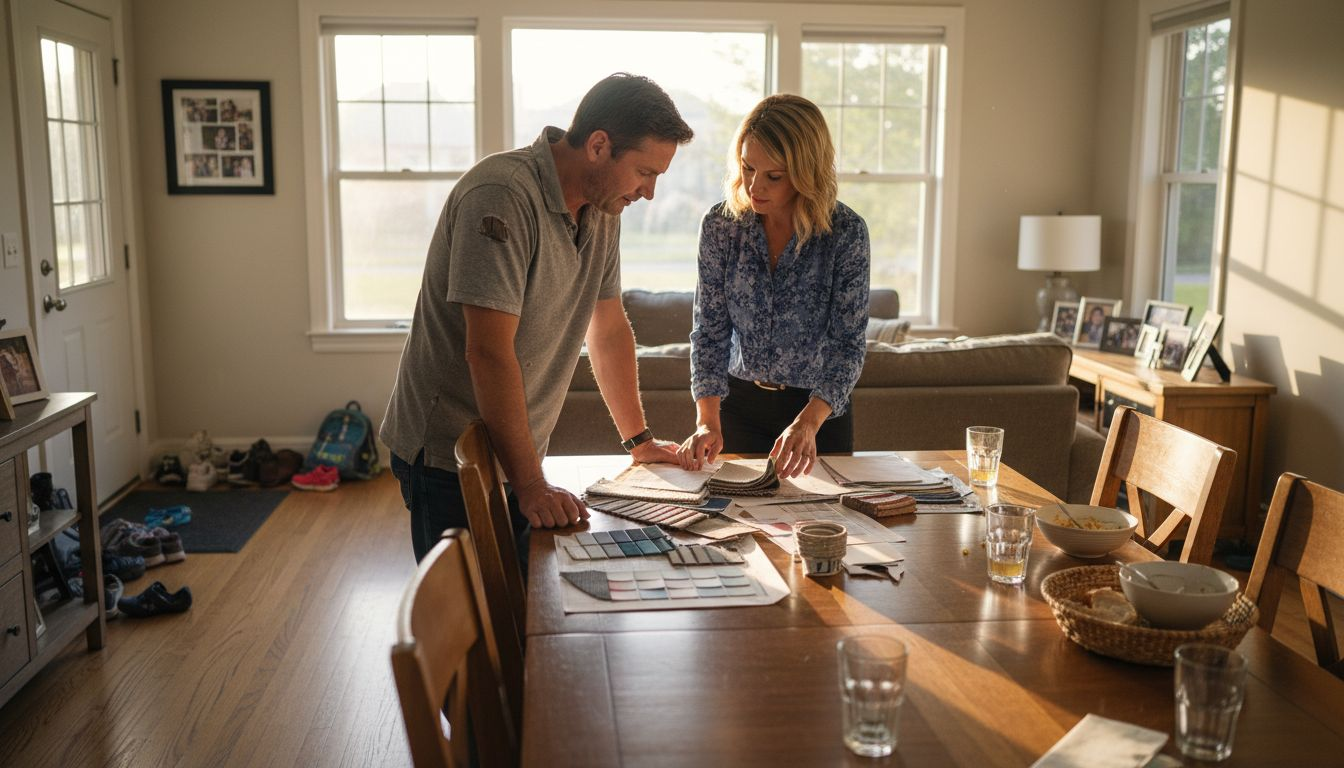
Designer and clients discuss color choices together

Designers create detailed plans that align with your architecture and aesthetic preferences while ensuring functionality and safety. This means selecting specific materials, colors, and furnishings that reflect who you are rather than generic trends. If you’re a collector, a designer creates display opportunities tailored to your passions. If you work from home, the designer designs a space that supports focus and productivity while still feeling like part of your home rather than an office intrusion. If you host frequently, the flow, seating arrangements, and entertaining surfaces receive dedicated attention. The specificity matters because a “modern” home for an architect in Ann Arbor looks entirely different from a “modern” home for an entrepreneur in Traverse City. One client might love minimalist restraint while another with the same style preference wants rich textures and layering. Translating your style words into real design requires designers to dig deeper than Pinterest boards and magazine inspiration.

Personalization also extends to your Michigan home’s unique character and location. A designer considers how natural light flows through your specific windows, how seasonal changes affect your spaces, and what views deserve to be framed. They understand that a home in Grosse Pointe faces different design priorities than a lakefront property or a suburban family retreat. Your budget constraints, timeline, and tolerance for disruption during renovation all shape how a designer approaches your project. Most importantly, personalization means the designer remains flexible and responsive throughout the process. As your vision becomes clearer or as construction reveals surprises, a personalized approach adapts rather than rigidly following initial plans. The goal is creating a home that feels authentically yours, not a beautiful space that happens to have your furniture in it.

Pro tip: During initial consultations, share specific moments from daily life rather than style preferences alone (“Sunday mornings we linger over coffee in the kitchen” or “My kids do homework at the kitchen table while I cook”); these functional realities create far more personalized design than any aesthetic preference could.

Cost, Savings, and Value of Hiring a Designer

Most affluent homeowners initially balk at design fees, viewing them as an additional expense on top of construction and furnishing costs. But this perspective misses the actual economics of hiring a professional. A designer’s fee typically represents 5 to 15 percent of your total project budget, yet their involvement often saves far more than that amount through smarter decisions and avoided mistakes. Consider the alternative: a homeowner selecting materials independently might choose beautiful granite countertops that look stunning in the showroom but prove impractical for their family’s actual cooking style. A designer asks the right questions upfront, understanding your lifestyle, and recommends materials that balance aesthetics with performance. That single decision might save thousands in replacement costs within five years. Multiply this across dozens of choices in a full renovation, and the designer’s fee becomes an investment rather than a cost. When professional designers help avoid costly mistakes through proper space planning and material selection, they’re essentially functioning as financial advisors for your home.

The value extends beyond simple cost avoidance. Designers have vendor relationships and purchasing power that result in better pricing on materials, furnishings, and services than most homeowners can negotiate independently. They coordinate timelines so trades flow efficiently, preventing the expensive downtime that occurs when contractors wait for decisions or materials. They manage contingencies and problem-solving during construction, preventing scope creep and budget overruns that plague projects without professional oversight. A designer also ensures your renovation reflects current market preferences, which enhances your home’s resale value. Studies consistently show that homes with professional design command higher prices and sell more quickly than comparable properties without that level of intentional curation. For Michigan homeowners considering your property as a long-term asset, this matters significantly. Your investment in design today potentially increases your home’s market value by more than the design fee itself.

Beyond financial metrics lies the immeasurable value of living in a space that genuinely works for you. The stress reduction alone from having a coordinated, functional home rather than a beautiful but impractical one pays dividends daily. You’re not constantly reorganizing to make things work or frustrated by poor lighting or inefficient layouts. Your guests notice the thoughtful details and curated elegance. Your family moves through spaces designed specifically for how you live. Design-driven approaches generate substantial value through improved user experience and better outcomes, creating homes that support your lifestyle for years to come. When you calculate the true return on investment, considering cost savings, enhanced property value, and the quality of daily living, hiring a designer becomes one of the smartest financial decisions you can make.

Key factors that influence the overall value of hiring a designer:

Value Driver Impact on Homeowner Long-Term Benefit
Material Selection Fewer costly replacements Enhanced durability
Vendor Relationships Better pricing on goods Project cost savings
Space Optimization Improved daily living Increased functionality
Market Appeal Higher resale price Faster home sale

Pro tip: Request a detailed scope of work and fee structure upfront, distinguishing between design fees, purchasing fees, and project management costs; transparent pricing helps you understand exactly where your money goes and prevents unexpected charges later.

Common Mistakes DIYers Make and How Designers Help

The appeal of a DIY approach is understandable. You save on design fees and maintain complete creative control. Yet this path is littered with expensive learning experiences that professional designers know how to avoid. One of the most common mistakes is inadequate planning before purchasing materials or committing to a design direction. A homeowner might fall in love with a paint color in natural light at the store, only to discover it looks completely different under their home’s specific lighting conditions at different times of day. Another frequent error involves poor spatial planning and furniture scaling. That sectional sofa looked perfect in the showroom, but now it dominates your living room and blocks traffic flow. A designer measures spaces precisely, considers traffic patterns, and tests scale before any purchases occur. Similarly, DIYers often underestimate the importance of material durability for their specific context. The beautiful light oak flooring might suit a vacation home perfectly, but in a busy family kitchen with four kids and a dog, a more resilient option would have been smarter. These aren’t aesthetic oversights; they’re costly decisions that ripple through your home’s functionality for years.

Beyond these individual choices, DIYers frequently overlook how building systems integrate and interact with energy efficiency. You might add beautiful new windows without considering how they affect your HVAC system’s efficiency or how they work with your home’s insulation and ventilation. A designer approaches your Michigan home as an interconnected system, considering how changes in one area impact heating, cooling, air quality, and comfort throughout. Structural and safety code compliance represents another area where professional expertise prevents disasters. What looks like a reasonable layout might violate egress requirements or accessibility standards that exist for very good reasons. DIY projects often suffer from overlooking safety codes and technical requirements, leading to expensive corrections after the fact or worse, safety hazards.

Designers also bring project management expertise that keeps everything coordinated. They know the right order for trades to work, which decisions need to happen before others, and how to anticipate problems before they become expensive surprises. They understand vendor relationships and have access to resources unavailable to homeowners shopping alone. They coordinate timelines so nothing sits half-finished, waiting for decisions. Most importantly, a designer takes responsibility for the outcome. If something isn’t working, they solve it. A DIYer is left figuring it out independently, often after spending money on the wrong solution. The difference between a beautifully designed space and one that looks like a collection of individual decisions comes down to someone thoughtfully orchestrating every element. That orchestrator is worth far more than their fee costs.

Here is a comparison of DIY approaches and hiring a professional designer for home projects:

Aspect DIY Approach Professional Designer
Upfront Cost Lower but risk of errors Design fees, but fewer mistakes
Time Management Often inefficient Streamlined and scheduled
Resource Access Limited options Broad vendor network
Code Compliance Potential for violations Ensures code adherence
Project Complexity Suited for simple tasks Handles complex renovations

Pro tip: If you’re determined to tackle some design elements yourself, at minimum hire a designer for a consultation focused on space planning and material selection for your high-impact areas (kitchens, primary bedrooms, main living spaces); this hybrid approach prevents the most costly mistakes while preserving budget for DIY elements in lower-risk spaces.

Elevate Your Michigan Home with Expert Design Guidance

Struggling to transform your Michigan home into a space that truly fits your lifestyle and aesthetic? The journey from inspiration to reality is full of choices that affect daily comfort, budget, and long-term value. Whether you face challenges with inefficient layouts, selecting materials suited for Michigan’s climate, or need personalized solutions that reflect your unique way of living, professional design is the key. As the article highlights, thoughtful space planning, durability considerations, and expert coordination prevent costly mistakes and ensure your home is as functional as it is beautiful.

Discover how Staci A. Meyers, an award-winning designer dedicated to Excellence by Design, turns these challenges into opportunities for lasting impact. With a proven track record featured in Better Homes and Gardens and Detroit Home, Staci brings artistry and precision to every project. Explore her approach in the Uncategorized Archives – SAM Interiors to see real-life transformations and understand how design enhances not only aesthetics but also practical living.

Don’t wait to create the home you’ve always wanted. Visit SAM Interiors today to schedule a consultation and turn your vision into a customized plan that respects your budget and lifestyle. Start your design journey now and experience the difference a professional can make for your Michigan home.

Frequently Asked Questions

What are the benefits of hiring a professional designer?

Hiring a professional designer provides access to expertise that helps avoid costly mistakes, ensures a cohesive aesthetic, and enhances functionality tailored to your specific lifestyle.

How does a designer personalize a project for my needs?

A designer personalizes your project by understanding your routine, family dynamics, and specific preferences to create spaces that reflect your lifestyle and meet practical needs.

How can hiring a designer save me money in the long run?

Designers can save money by preventing costly errors through expert material selection, efficient project management, and leveraging vendor relationships for better pricing on goods and services.

What common mistakes do DIYers make when redesigning their homes?

Common mistakes include inadequate planning, poor spatial arrangement, and neglecting to consider material durability, which can lead to costly modifications and inefficiencies in the finished space.


Interior Design Terminology Explained: Elevate Your Space

Interior design terminology explained for luxury homeowners. Learn key principles, style terms, and materials to communicate your vision with confidence.

Most American homeowners searching for exceptional interior design already know that fine details create extraordinary spaces. Nearly 80 percent of affluent clients in Florida and Michigan want their homes to reflect not just beauty but true function for their lifestyles. Understanding precise interior design terminology opens doors to powerful creative collaboration and lasting satisfaction. This article unpacks the language and principles that elevate ordinary rooms into highly personalized, harmonious environments.

Table of Contents

Key Takeaways

Point Details
Interior Design is Multifaceted It combines creativity and scientific precision to enhance living spaces for better functionality and aesthetics.
Understanding Design Terminology is Crucial Mastering terms like scale and balance facilitates effective communication between homeowners and design professionals.
Design Movements Reflect Cultural Dynamics Historical and contemporary styles embody societal values and technological advances, influencing modern interior design.
Professional Credentials Matter Credentials like the NCIDQ signify expertise and competence, underscoring the importance of education and effective communication in the field.

Defining Interior Design Terminology and Its Role

Interior design is far more than selecting pretty furniture. It represents a sophisticated discipline that blends artistic creativity with scientific precision to transform living spaces. Interior design fundamentally involves enhancing building interiors to create healthier, more aesthetically pleasing environments that serve human needs.

At its core, interior design transcends mere decoration. Professionals in this field engage in complex processes including conceptual development, strategic space planning, comprehensive research, stakeholder communication, and meticulous construction management. The discipline requires understanding human psychology, spatial dynamics, functional requirements, and aesthetic principles to craft spaces that are not just visually compelling but also deeply purposeful.

Design terminology provides a critical language for translating abstract concepts into tangible realities. Terms like scale, proportion, rhythm, and balance are not just academic concepts but practical tools that help designers communicate precise visual and functional intentions. By mastering these terms, homeowners can more effectively collaborate with design professionals and articulate their vision for personalized spaces that reflect their lifestyle and personality.

Pro tip: When discussing interior design projects, focus on using specific descriptive terms that communicate your functional and aesthetic goals, which helps designers understand your unique vision more accurately.

Styles, Movements, and Design Concepts Explained

Interior design is a dynamic field continuously shaped by evolving design movements that reflect complex social, technological, and cultural influences. These movements represent more than aesthetic trends – they are sophisticated frameworks that capture the spirit of their time, translating broader societal changes into visual and functional design languages.

Historic design movements like Art Deco, Bauhaus, and De Stijl have profoundly transformed how we conceptualize interior spaces. Each movement emerged with distinct philosophies about form, function, and human interaction. The Arts and Crafts movement, for instance, emphasized handcrafted quality and rejected industrial mass production, while Modernism championed minimalism, clean lines, and functional simplicity that celebrated technological progress and rejected ornamental excess.

Contemporary design continues this rich tradition of innovation, blending historical principles with cutting-edge technologies and sustainability considerations. Interior design styles now reflect global interconnectedness, incorporating diverse cultural influences, advanced materials, and responsive design strategies that adapt to changing human needs. From Mid-Century Modern’s organic forms to Industrial chic’s raw material celebrations, each style tells a nuanced story about human experience and cultural evolution.

Pro tip: When exploring design styles, focus on understanding their philosophical foundations rather than just visual characteristics to truly appreciate their historical and cultural significance.

Compare several influential interior design movements and their core philosophies:

Movement Era Core Philosophy Signature Characteristics
Arts and Crafts Late 19th c. Emphasis on craftsmanship Natural materials, simple forms
Bauhaus Early 20th c. Form follows function Clean lines, functional design
Art Deco 1920s-1930s Opulence and modern luxury Geometric motifs, rich textures
Modernism 1930s-1960s Minimalism, truth to materials Open spaces, little ornamentation
Mid-Century Modern 1940s-1960s Integration with nature Organic shapes, wood accents

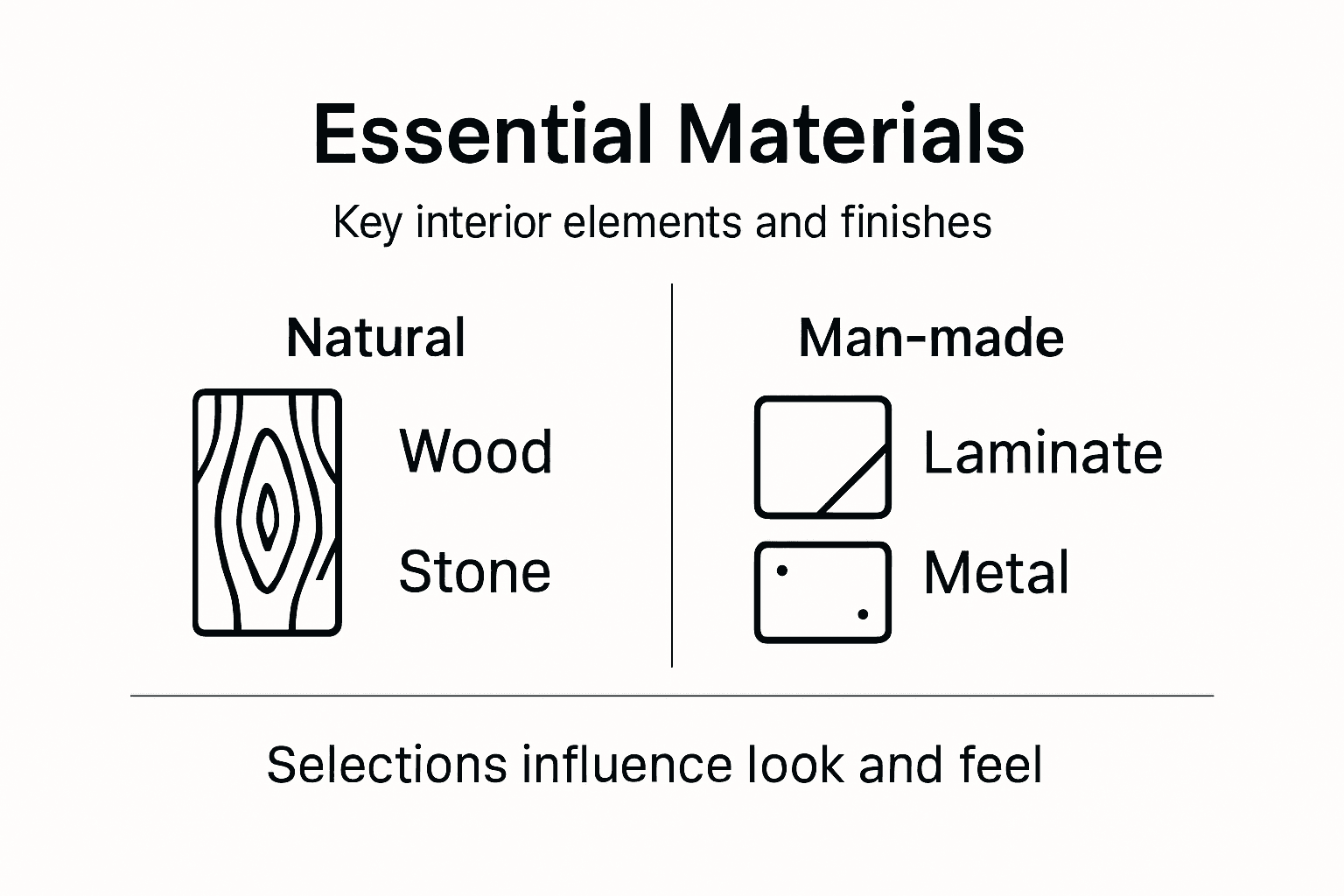
Essential Materials, Textiles, and Finishes

Interior design materials represent the foundational elements that transform spaces from mere rooms into living experiences. Designers carefully select materials not just for their visual appeal, but for their ability to communicate texture, depth, and emotional resonance within a space. Every surface, fabric, and finish tells a story about functionality, comfort, and aesthetic intention.

Traditional and contemporary materials offer a rich palette of options for creating distinctive interiors. Natural materials like hardwood, stone, and wool provide warmth and authenticity, while engineered materials such as recycled glass, sustainable bamboo, and low-emission composites represent the cutting edge of design innovation. Green building materials have become increasingly important, allowing designers to craft spaces that are not only beautiful but environmentally responsible.

Infographic of key interior materials and finishes

The strategic layering of materials creates visual complexity and sensory richness. Designers consider factors like color interaction, textural contrast, light reflection, and durability when composing material palettes. A leather sofa might be paired with a wool throw, rough stone tiles complemented by smooth metal accents, or raw wood surfaces softened by silk curtains – each combination carefully orchestrated to create a harmonious and engaging environment.

Pro tip: When selecting materials, touch and experience them in person, as photographs cannot fully capture their tactile qualities and how they interact with light and space.

Principles of Design: Balance, Scale, and Harmony

Design principles are the fundamental language that transforms interior spaces from random arrangements into intentional, meaningful environments. These principles serve as a sophisticated blueprint for creating visual compositions that are not just aesthetically pleasing, but psychologically compelling. They guide designers in crafting spaces that feel simultaneously dynamic and harmonious, responding to human perception and emotional experience.

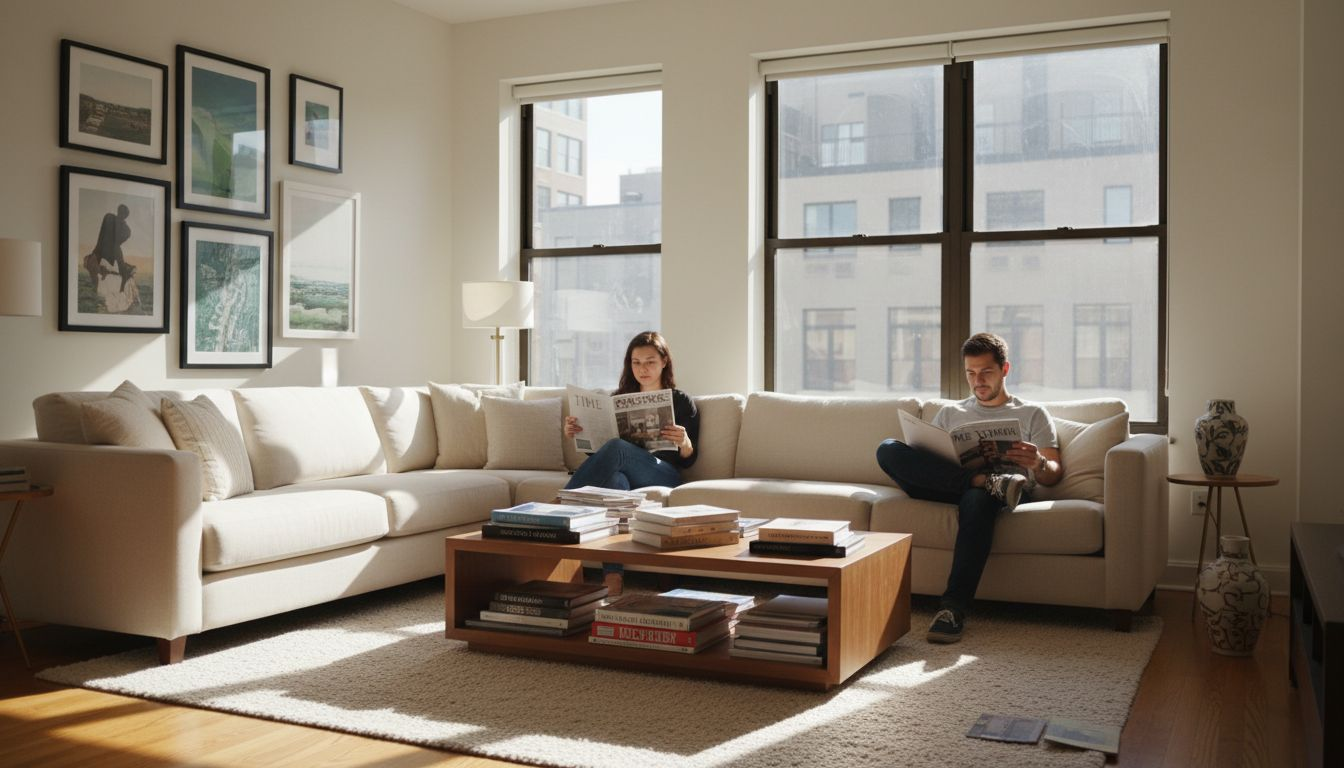
Balance represents the strategic distribution of visual weight within a space. This can manifest as symmetrical balance, where elements are mirrored precisely, or asymmetrical balance, which creates more complex, energetic compositions. Design principles like scale/01%3A_Media_and_Techniques/1.03%3A_Principles_of_Design) play a critical role in establishing depth, proportion, and visual hierarchy. A large statement piece might be balanced by smaller, more delicate elements, creating a nuanced dialogue between different design components.

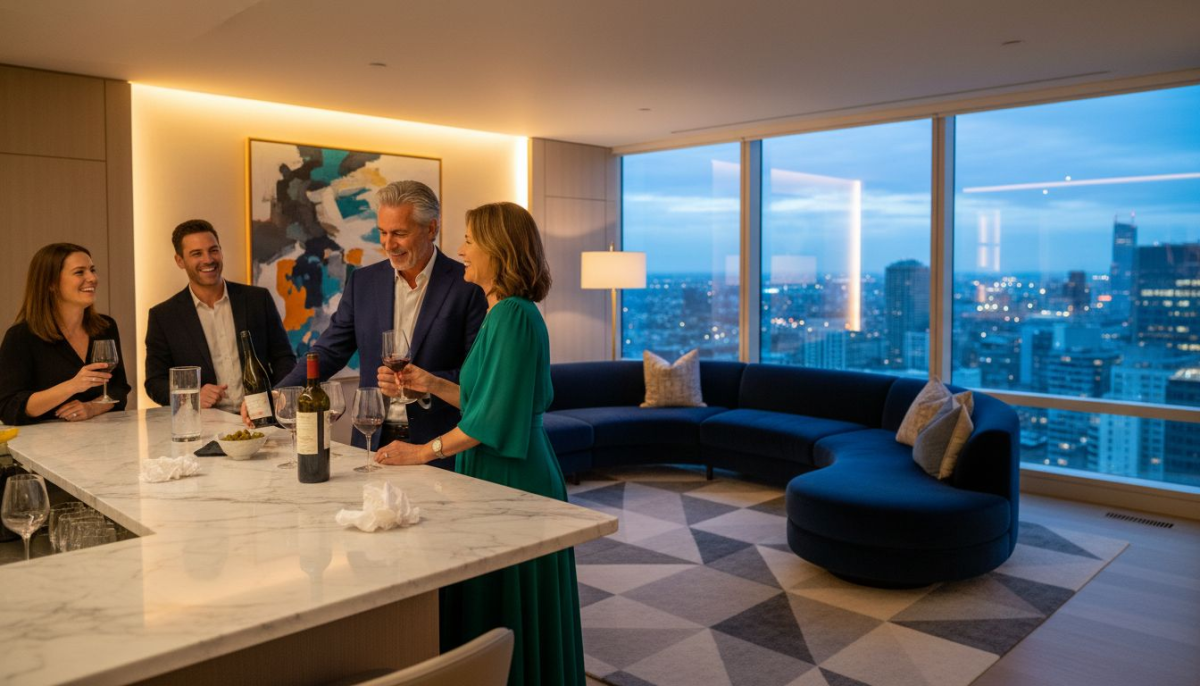
City living room showing balance and harmony

Harmony emerges from the thoughtful integration of these principles, where every element contributes to a cohesive narrative. This doesn’t mean uniformity, but rather a sophisticated interplay of contrast, repetition, and rhythm. Designers achieve harmony by considering color relationships, textural variations, and spatial connections that create a sense of unity without sacrificing individual element expressiveness. The goal is to craft environments that feel intentional, balanced, and emotionally resonant.

Pro tip: When evaluating design balance, use your smartphone camera to take black and white photos of your space, which can help you objectively assess visual weight and composition.

Here’s a reference table highlighting key interior design principles and their practical effects:

Principle Definition Practical Effect
Balance Distribution of visual weight Creates stability and comfort
Scale Size relationship between objects Sets spatial hierarchy
Harmony Cohesive integration of elements Evokes unity and calm
Rhythm Visual flow created by repetition or variation Guides movement through space
Proportion Relationship of parts to the whole Ensures visual appeal

Industry Titles, Credentials, and Communication

The interior design profession is a nuanced landscape of specialized expertise, where professional credentials serve as critical markers of knowledge and professional competence. Beyond aesthetic skills, designers must navigate complex professional ecosystems that require advanced education, technical understanding, and sophisticated communication strategies across multiple disciplines.

Professional credentials in interior design range from academic degrees to specialized certifications. The National Council for Interior Design Qualification (NCIDQ) represents the gold standard for professional recognition, requiring comprehensive examinations that test technical knowledge, building codes, design standards, and professional practices. Designers typically hold bachelor’s degrees in interior design, architecture, or related fields, with many pursuing advanced certifications that demonstrate their commitment to excellence and ongoing professional development.

Effective communication stands as the cornerstone of successful interior design practice. Professionals must articulate complex design concepts to diverse stakeholders including clients, architects, contractors, and manufacturers. This requires a multilayered communication approach that translates creative vision into precise technical specifications, budget considerations, and functional requirements. Designers must be equally comfortable presenting emotional design narratives to clients and discussing precise technical details with engineering teams.

Pro tip: Develop a professional portfolio that showcases not just your design work, but your ability to communicate complex ideas through clear, compelling visual and verbal presentations.

Master Interior Design Terminology to Transform Your Space

Understanding key interior design concepts such as balance, scale, and harmony is the first step toward elevating any room. Many homeowners struggle to communicate their vision clearly or choose materials and styles that truly reflect their lifestyle and personality. Our team at SAM Interiors recognizes these challenges and offers tailored solutions that translate your unique ideas into beautifully functional spaces.

By working with Staci A. Meyers, an International Design Award winner celebrated for her intentional artistry and attention to detail, you will experience a design process grounded in the principles outlined in this article. Whether you want a family-friendly, durable home or a sophisticated environment designed for entertaining, we create interiors that harmonize aesthetic elegance with real-life needs. Explore how interior design terminology and expert guidance combine to bring your vision to life by visiting our Uncategorized Archives.

Take the next step toward a space that feels intentionally crafted just for you. Contact us at SAM Interiors to begin your personalized interior design journey today.

Frequently Asked Questions

What is the difference between interior design and interior decoration?

Interior design involves a comprehensive understanding of space planning, human psychology, and architectural principles, while interior decoration focuses primarily on the aesthetic aspect of furnishing and beautifying an interior space.

How can understanding design terminology improve my collaboration with interior designers?

Mastering design terminology allows you to communicate your ideas and preferences more clearly, which helps designers understand your vision and select elements that align with your desired aesthetic and functional goals.

What are some key design principles I should be aware of when planning my interior space?

Important design principles include balance, scale, harmony, rhythm, and proportion. Each principle contributes to creating visually appealing and purposeful spaces that foster comfort and functionality.

How do I choose the right materials for my interior design project?

Select materials based on their aesthetic qualities, durability, and how they interact with light and space. Consider how textures and colors will complement each other to create a harmonious environment.

Why Hire an Award-Winning Designer: Lasting Value and Impact

Hire an award-winning designer for transformative design, proven expertise, and elevated results. Explore credentials, client benefits, and risk vs. reward.

Bold moves define outstanding design. More than seventy percent of American homeowners would pay a premium for spaces crafted by recognized experts. For Michigan families striving for sophisticated homes, award-winning designers set the standard for innovation and functional beauty. This article reveals what separates celebrated professionals from the ordinary, helping you identify real excellence for your next personalized living space.

Table of Contents

Key Takeaways

Point Details
Award-Winning Design Requires Expertise To achieve recognized excellence, designers must blend technical skills, creativity, and strategic thinking to address complex challenges.
Innovative Solutions Enhance Living Spaces Award-winning designers create transformative environments that improve functionality and emotional well-being for homeowners.
Proven Design Expertise Minimizes Risks Engaging qualified designers prevents costly mistakes, ensuring that projects meet both aesthetic and functional needs.
Measured Value Beyond Aesthetics Exceptional design adds long-term benefits such as increased property value and adaptability to changing family requirements.

What Makes a Designer Award-Winning

Award-winning designers distinguish themselves through a sophisticated blend of technical expertise, creative vision, and strategic problem-solving. Unlike novice designers who approach projects conventionally, expert designers demonstrate a structured, systematic methodology that transforms spaces from ordinary to extraordinary. Cognitive and psychological research reveals that these professionals possess unique cognitive traits that enable them to generate more innovative design solutions.

The hallmark of an award-winning designer lies in their ability to generate deeper insights and address subtle structural challenges that others might overlook. These experts combine rigorous background research with intuitive decision-making, creating environments that are not just visually stunning but functionally exceptional. Their approach goes beyond aesthetic considerations, integrating complex understanding of spatial dynamics, client psychology, and material performance to craft truly transformative design experiences.

Key characteristics that define award-winning designers include:

  • Exceptional problem-solving skills
  • Advanced research and analytical capabilities
  • Profound understanding of spatial relationships
  • Ability to translate client vision into tangible design narratives
  • Innovative thinking that challenges conventional design paradigms

Pro tip: When selecting a designer, request a comprehensive portfolio showcasing diverse projects that demonstrate their ability to solve complex design challenges across different contexts and styles.

Recognized Excellence Versus Standard Design

In the world of design, there exists a profound distinction between standard work and recognized excellence. Awards and certifications signal a level of professional achievement that transcends ordinary design practices, representing a commitment to innovation, quality, and transformative creative solutions. While standard design focuses primarily on functional requirements, recognized excellence elevates the entire design experience through meticulous attention to detail, strategic thinking, and exceptional craftsmanship.

The rigorous evaluation process behind design awards sets a critical benchmark for professional achievement. Design awards like the iF DESIGN AWARD implement transparent, meritocratic jury processes that validate design quality through comprehensive assessment. These evaluations examine multiple dimensions beyond aesthetic appeal, including:

  • Innovation potential
  • Sustainability impact
  • Cultural relevance
  • Technical complexity
  • User experience optimization

Recognized excellence transforms design from a mere service into a strategic discipline that delivers measurable value. Award-winning designers demonstrate an ability to solve complex challenges, anticipate future trends, and create environments that not only meet functional requirements but also inspire emotional connections. Standard design might satisfy basic needs, but recognized excellence pushes boundaries, challenges conventions, and establishes new benchmarks for professional performance.

Here’s a comparison of standard design versus award-winning (recognized excellence) design for quick reference:

Aspect Standard Design Approach Award-Winning Design Approach
Focus Meets functional requirements Achieves innovation and emotional impact
Evaluation Criteria Basic usability and aesthetics Multiple dimensions—including sustainability and user experience
Client Involvement Limited interaction Deep collaboration, vision translation
Outcome Longevity May meet short-term needs Anticipates future trends and lifestyles
Professional Recognition Uncommon, rarely certified Regularly validated through awards

Pro tip: Request specific details about a designer’s award history and understand the context of their recognition to ensure their excellence aligns with your unique project requirements.

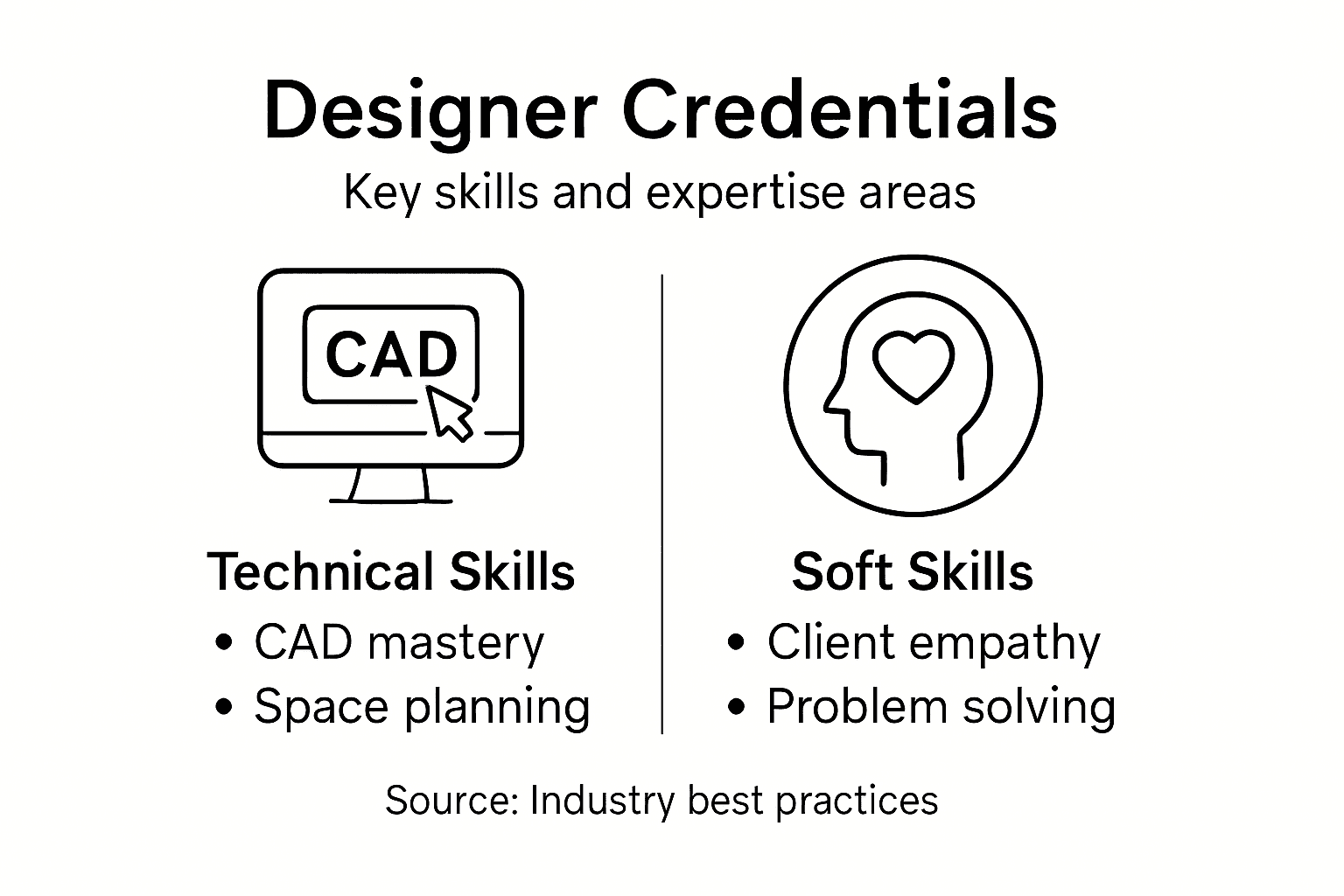
Key Credentials and Areas of Expertise

Exceptional design credentials encompass far more than traditional academic qualifications. Top designers demonstrate comprehensive professional capabilities that blend formal education, continuous learning, and multidimensional expertise across various design disciplines. These professionals cultivate a sophisticated skill set that goes beyond technical proficiency, integrating strategic thinking, empathetic communication, and adaptive problem-solving approaches.

The core areas of expertise for award-winning designers typically include:

  • Strategic interior design planning
  • Spatial optimization and functionality analysis
  • Color theory and aesthetic composition
  • Material selection and performance evaluation
  • Client communication and vision translation
  • Sustainable design principles
  • Advanced computer-aided design technologies

Beyond technical skills, exceptional designers possess nuanced soft skills that distinguish them in the industry. These include emotional intelligence, collaborative capabilities, and the ability to anticipate client needs before they are explicitly articulated. Designers who excel understand that their work is not just about creating beautiful spaces, but about crafting environments that enhance human experiences, support lifestyle requirements, and reflect deeply personal narratives.

Infographic illustrating designer skills and credentials

Pro tip: During initial consultations, request a comprehensive portfolio that demonstrates a designer’s breadth of expertise across different project types, showcasing their versatility and depth of professional experience.

Lasting Value for Homeowners and Families

Award-winning design transcends mere aesthetic appeal, delivering profound, measurable value that enhances families’ daily living experiences. Innovative design solutions contribute enduring impact by creating spaces that are not just visually stunning, but functionally transformative. These meticulously crafted environments respond intelligently to homeowners’ unique lifestyle needs, supporting emotional well-being, productivity, and personal expression.

The lasting value of expert design manifests through multiple critical dimensions:

  • Enhanced spatial functionality
  • Improved quality of life
  • Increased property value
  • Sustainable and adaptable living environments
  • Personalized aesthetic experiences
  • Efficient use of resources
  • Psychological comfort and emotional resonance

Beyond immediate visual impact, recognized design investments deliver long-term benefits that extend far beyond traditional interior styling. Thoughtfully designed spaces anticipate evolving family dynamics, incorporating flexible solutions that adapt to changing life stages. By integrating advanced technologies, sustainable materials, and intelligent spatial planning, award-winning designers create environments that not only meet current needs but also provide resilient, future-ready living solutions that grow and transform alongside the families they serve.

Designer consulting with homeowner in family home

Below is a summary of the lasting value expert design brings to homeowners and families:

Lasting Value Dimension Homeowner Benefit Example Impact
Enhanced Functionality Easier daily routines Open-plan kitchens boost interaction
Sustainability Reduced energy costs Smart lighting saves power
Emotional Comfort Greater relaxation and happiness Well-planned bedrooms support sleep
Flexible Adaptability Spaces grow with family needs Convertible rooms for changing needs
Increased Property Value Higher resale potential Designer spaces attract buyers

Pro tip: Request a comprehensive design consultation that explores your family’s unique lifestyle patterns, ensuring the proposed design solution addresses both your immediate aesthetic preferences and anticipated future requirements.

Risks of Overlooking Proven Expertise

Design expertise is not a luxury, but a critical investment in project success. Ignoring proven design credentials exposes homeowners to significant risks that extend far beyond aesthetic disappointment. Amateur or unqualified design approaches can lead to costly mistakes, compromised functionality, and solutions that fail to address the nuanced requirements of sophisticated living environments.

The potential consequences of overlooking expert design expertise include:

  • Substantial financial wastage
  • Inefficient spatial planning
  • Reduced property value
  • Compromised design functionality
  • Increased long-term maintenance costs
  • Missed opportunities for innovative solutions
  • Potential structural or aesthetic failures

Professional designers bring a depth of knowledge that goes beyond surface-level aesthetics. Award-winning designers minimize project risks through comprehensive understanding of spatial dynamics, material performance, and client-specific requirements. Their expertise allows them to anticipate potential challenges, integrate cutting-edge technologies, and create environments that are not just visually appealing but functionally superior and adaptable to evolving lifestyle needs.

Pro tip: Always request a comprehensive portfolio and professional references, verifying the designer’s track record of successfully completed projects that demonstrate their ability to navigate complex design challenges.

Experience the Transformative Power of Award-Winning Design

Choosing the right designer is not just about aesthetics. As highlighted in the article “Why Hire an Award-Winning Designer: Lasting Value and Impact,” the challenge lies in finding a professional who brings lasting value, advanced problem-solving, and deep expertise to your space. If you want a design that is both beautiful and functional with a clear understanding of your unique lifestyle needs, you need someone who combines strategic vision with proven credentials.

Staci A. Meyers embodies the very principles discussed in the article. As an International Design Award winner, she delivers environments that reflect your personality while solving complex design challenges. With a portfolio that spans family-friendly spaces to sophisticated executive interiors, Staci’s passion for Excellence by Design guarantees spaces that are innovative, durable, and emotionally resonant. Discover how you can benefit from her expertise by exploring the Uncategorized Archives – SAM Interiors or visit the main website to start your journey toward a thoughtfully crafted home.

Ready to transform your living environment with a designer who understands the lasting impact of her work? Contact Staci today at SAM Interiors and take the first step toward an extraordinary design tailored just for you.

Frequently Asked Questions

Why should I hire an award-winning designer?

Hiring an award-winning designer ensures that you benefit from their advanced skills, innovative thinking, and proven excellence in solving complex design challenges. Their expertise can deliver transformative results that enhance both functionality and aesthetic appeal in your space.

What distinguishes recognized excellence in design from standard design?

Recognized excellence in design not only meets basic functional requirements but also incorporates innovation, sustainability, and user experience optimization. Award-winning designers are evaluated based on multiple criteria beyond aesthetics, ensuring that they provide exceptional design solutions.

How does expert design increase the value of my home?

Expert design by award-winning designers can significantly increase the resale potential of your property through improved spatial functionality, enhanced aesthetics, and sustainable features. Well-designed spaces that resonate emotionally with potential buyers are more appealing and can lead to higher offers.

What are the risks of hiring an unqualified designer?

Hiring an unqualified designer can lead to costly mistakes, inefficient spatial planning, and compromised design functionality. Without expert insight, you may risk increased long-term maintenance costs, reduced property value, and solutions that do not meet your specific lifestyle needs.

What Is Personalized Interior Design and Why It Matters

Personalized interior design creates unique spaces reflecting your lifestyle, enhances home value, and blends artistry with everyday function for Florida homeowners.

Every coastal Florida homeowner knows that a house can only truly feel like home when it mirrors your personality, values, and everyday rhythms. Busy social calendars, love for breezy indoor-outdoor spaces, and a deep connection to community make personalized interior design more important than ever. Here, you will discover how intentional design choices rooted in your unique lifestyle and emotional needs can elevate both comfort and sophistication while honoring the spirit of your surroundings.

Table of Contents

Key Takeaways

Point Details
Personalized Design Focus Personalized interior design aims to reflect the unique personality and lifestyle of inhabitants, creating spaces that support emotional needs and well-being.
Types of Personalization Various personalization strategies include physical, emotional, and cultural elements, allowing homeowners to craft spaces that are functional and reflective of individual narratives.
Design Process Structure A structured design process involves consultation, ideation, prototyping, and iterative refinement to ensure that the final space aligns with the client’s vision and practical needs.
Common Pitfalls Homeowners should avoid prioritizing trends over personal expression and ensure comprehensive planning to create truly functional and meaningful living spaces.

Defining Personalized Interior Design Concepts

Personalized interior design represents a sophisticated approach to creating living spaces that authentically reflect an individual’s unique personality, lifestyle, and emotional needs. More than simply selecting furniture and colors, this design philosophy centers on crafting environments that resonate deeply with inhabitants. Emerging research frameworks emphasize understanding human behaviors, emotional cues, and individual perceptions as foundational elements of truly personalized design.

At its core, personalized interior design transforms spaces from generic environments into tailored sanctuaries that support specific lifestyle requirements. This approach considers multiple dimensions beyond aesthetic preferences, including functional needs, emotional comfort, and psychological well-being. Coastal Florida homeowners, for instance, might require design solutions that integrate seamless indoor-outdoor living, accommodate entertaining needs, and reflect the region’s unique architectural heritage. The process involves comprehensive assessment of individual living patterns, personal collections, professional demands, and familial dynamics to create spaces that feel intrinsically connected to their inhabitants.

The methodology behind personalized interior design involves several critical components: deep client consultation, comprehensive lifestyle analysis, strategic spatial planning, and meticulous material selection. Designers utilize advanced techniques like mood boarding, spatial mapping, and behavioral pattern analysis to translate abstract client desires into tangible design strategies. These approaches ensure that every design element – from furniture placement to color palette – serves a deliberate purpose aligned with the client’s unique narrative.

Pro Tip: Before beginning any personalized design project, create a comprehensive lifestyle journal documenting daily routines, emotional responses to current spaces, and aspirational living scenarios to provide your designer with rich, nuanced insights.

Types of Personalization in Interior Spaces

Personalized interior design encompasses a diverse range of customization strategies that transform living spaces into deeply meaningful environments. Residential interior personalization involves multiple approaches, from subtle aesthetic modifications to comprehensive spatial reimagining. These techniques allow homeowners to craft spaces that not only meet functional requirements but also communicate their individual narratives, preferences, and emotional landscapes.

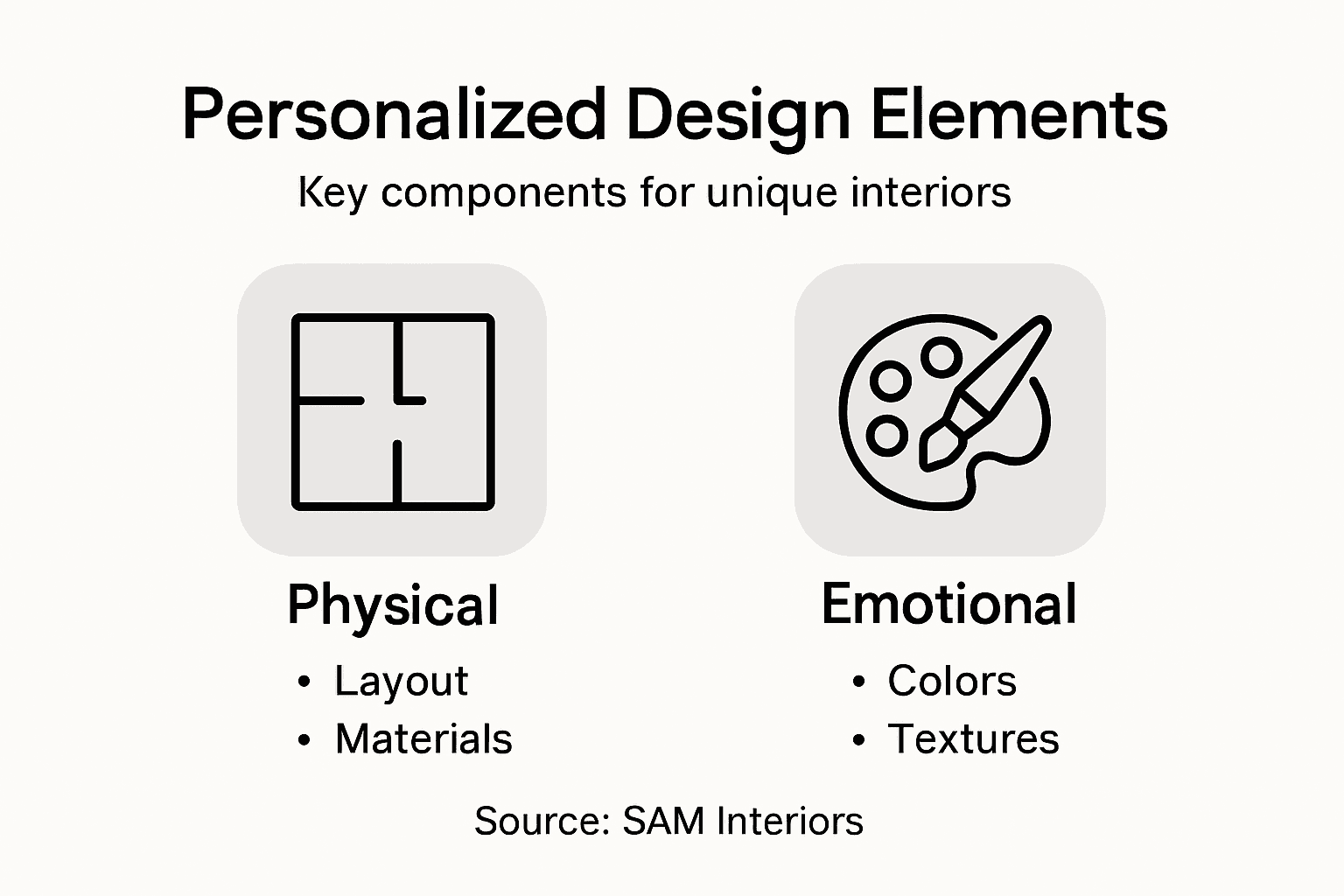
The primary types of personalization can be categorized into several key dimensions. Physical personalization includes custom furniture design, tailored color palettes, and strategic spatial arrangements that reflect individual lifestyle needs. Emotional personalization focuses on creating sensory experiences through texture, lighting, and decorative elements that evoke specific feelings or memories. Cultural personalization involves incorporating heritage-inspired design elements, family heirlooms, or artistic representations that connect inhabitants to their roots and personal history.

Designer sketching ideas in bedroom workspace

Each personalization approach requires careful consideration of practical constraints and individual aspirations. Dwelling space adaptations reveal that successful personalization balances aesthetic preferences with functional requirements. For Coastal Florida homeowners, this might mean integrating hurricane-resistant design elements with personal style, creating spaces that are both protective and profoundly personal. The process demands a nuanced understanding of how design elements can be manipulated to support unique living patterns, professional demands, and familial dynamics.

Here’s a comparison of key types of personalization in interior design and their distinctive benefits:

Personalization Type Main Focus Typical Features Homeowner Benefits
Physical Function and form Custom furniture, spatial layout Greater functionality and comfort
Emotional Sensory experience Lighting, texture, ambiance Enhanced mood and wellbeing
Cultural Heritage and identity Heirlooms, artwork, symbolism Personal connection and pride

Pro Tip: Begin your personalization journey by creating a mood board that captures your emotional landscape, including colors, textures, and imagery that genuinely resonate with your personal story and aspirations.

The Personalized Design Process Explained

Personalized interior design unfolds through a meticulously structured approach that transforms abstract client desires into tangible, functional living spaces. Stakeholder engagement strategies play a crucial role in this process, involving collaborative interactions between designers, clients, and domain experts to ensure each design solution authentically reflects individual needs and preferences.

The design process typically encompasses four fundamental stages. Initial consultation involves comprehensive lifestyle assessment, where designers conduct in-depth interviews and spatial analyses to understand the client’s unique requirements. The ideation phase follows, where designers synthesize gathered insights into preliminary design concepts, exploring creative solutions that balance aesthetic preferences with functional demands. Prototyping and visualization come next, utilizing advanced digital tools and physical mockups to help clients preview potential design transformations before final implementation.

Product design workflows emphasize iterative refinement as a critical component of personalized design. This means continuous dialogue and incremental adjustments throughout the project, ensuring that the final design not only meets technical specifications but also resonates emotionally with the inhabitant. For Coastal Florida homeowners, this might involve multiple design iterations that incorporate regional architectural influences, climate considerations, and individual lifestyle nuances, creating spaces that are simultaneously practical and profoundly personal.

Pro Tip: Maintain a comprehensive design journal during your personalization project, documenting your evolving preferences, inspirations, and emotional responses to help your designer craft a truly authentic living environment.

Essential Elements for Tailored Interiors

Tailored interior design requires a sophisticated understanding of fundamental design components that transform spaces from generic environments into personalized sanctuaries. These essential elements work in harmony to create environments that are not just visually appealing, but deeply meaningful and functionally responsive to individual lifestyles. Space, line, form, light, color, texture, and pattern serve as the fundamental building blocks through which designers craft unique narrative experiences.

Infographic with personalized design essentials

The most critical elements of personalized interior design extend beyond mere aesthetic considerations. Sustainable design principles emphasize integrating materials, lighting, spatial organization, and human factors to create balanced, comfortable environments. For Coastal Florida homeowners, this might translate into designs that seamlessly blend indoor and outdoor living, incorporate hurricane-resistant materials, and reflect the region’s vibrant architectural heritage while maintaining individual style preferences.

Successful personalization demands a nuanced approach to combining design elements. Spatial arrangement becomes a strategic tool for expressing individual personality, with furniture placement, architectural details, and decorative choices telling a unique story. Color palettes can evoke emotional responses, while textures add depth and tactile richness. Lighting plays a crucial role in transforming spaces, creating mood, highlighting architectural features, and supporting specific lifestyle activities. The goal is not merely decoration, but creating an environment that feels authentically and intrinsically connected to its inhabitants.

Pro Tip: Create a design mood board that captures your emotional landscape, including colors, textures, and imagery that genuinely represent your personal narrative and aspirational living environment.

Common Missteps and How to Avoid Them

Personalized interior design requires navigating complex challenges that can derail even the most well-intentioned projects. One of the most prevalent mistakes homeowners make is prioritizing trendy aesthetics over genuine personal expression. Coastal Florida residents, in particular, often fall into the trap of selecting design elements that look impressive on social media but fail to reflect their unique lifestyle and emotional needs.

Critical missteps frequently emerge from a lack of comprehensive planning and self-awareness. Homeowners might rush into design decisions without thoroughly examining their daily routines, functional requirements, and long-term aesthetic preferences. This can lead to spaces that appear visually stunning initially but quickly become impractical or emotionally disconnected. Common pitfalls include overcrowding spaces, neglecting storage solutions, choosing materials inappropriate for the local climate, and failing to create adaptable environments that can evolve with changing life circumstances.

Successful personalized design demands a holistic approach that balances aesthetic aspirations with pragmatic considerations. Homeowners should resist the temptation to replicate entire design concepts from magazines or online platforms without considering their individual context. Instead, they must develop a nuanced understanding of their personal style, functional needs, and emotional connections to their living spaces. This requires honest self-reflection, open communication with design professionals, and a willingness to prioritize authenticity over conformity to external design trends.

For easy reference, here are common pitfalls in personalized interior design and practical solutions to avoid them:

Misstep Impact on Home Solution
Prioritizing trends Emotional disconnect Focus on personal needs
Inadequate planning Impractical layout Document daily routines
Overcrowding spaces Reduced comfort Use strategic storage
Material-climate mismatch Damage potential Select climate-suitable materials

Pro Tip: Conduct a comprehensive lifestyle audit before starting your design project, documenting your daily activities, emotional responses to current spaces, and long-term personal goals to create a truly personalized interior environment.

Discover the Power of Personalized Interior Design for Your Home

Struggling to create a living space that truly reflects your lifestyle and emotional needs? This article highlights the challenge of balancing aesthetics with personal expression and functional demands. Many homeowners find themselves overwhelmed by trends that fail to resonate on a deeper level or by design choices that do not support their daily routines. Personalized interior design offers a solution by focusing on authenticity, emotional connection, and purposeful space planning to transform your home into a sanctuary that supports who you are.

If you are ready to move beyond generic layouts and fleeting trends, consider working with an expert who understands how to craft tailored environments. Staci A. Meyers, an International Design Award winner featured in Better Homes and Gardens and the Detroit News HomeStyle section, embodies the philosophy of Excellence by Design—offering artistry and detailed care that brings your unique story to life. Explore inspiring examples and insights from SAM Interiors on our Uncategorized Archives – SAM Interiors page and learn how a personalized approach can elevate your home.

Take the next step toward a space that feels genuinely yours by visiting SAM Interiors. Contact Staci today to begin designing a home that supports your lifestyle, honors your history, and fulfills your functional needs before another day passes in a space that does not truly reflect you.

Frequently Asked Questions

What is personalized interior design?

Personalized interior design is a design approach that creates living spaces tailored to reflect an individual’s personality, lifestyle, and emotional needs. It goes beyond just aesthetics and focuses on crafting environments that resonate deeply with the inhabitant’s experiences and preferences.

Why does personalized interior design matter?

Personalized interior design matters because it transforms generic spaces into meaningful environments. It enhances emotional well-being, supports functional needs, and creates a sense of connection between the space and its inhabitants, ultimately improving their quality of life.

What are the key components of the personalized design process?

The key components of the personalized design process include in-depth client consultation, comprehensive lifestyle analysis, strategic spatial planning, and meticulous material selection. These steps ensure that the design accurately reflects the client’s unique needs and aspirations.

How can I ensure my interior design is truly personalized?

To ensure your interior design is truly personalized, conduct a thorough assessment of your daily routines, emotional responses, and aspirations. Keeping a lifestyle journal or mood board can provide your designer with valuable insights that lead to a more authentic and tailored design.

7 Essential Types of Space Planning for Homeowners

Discover 7 essential types of space planning and how each method helps Michigan and Florida homeowners create functional, stylish, and personalized spaces.

Balancing comfort, privacy, and flexibility in your home can feel challenging. Whether you want to open up your living space or carve out dedicated zones, finding the right design choices is key to making your environment work for your needs. The best part? There are clear strategies that cater to modern lifestyles and help you make the most of every square foot.

This list will guide you through proven concepts like open plan layouts, multi-use zoning, and smart furniture placement. Discover actionable insights that make your space feel brighter and more functional without sacrificing style or comfort. Get ready to learn how simple design decisions can create a home that truly adapts to your life.

Table of Contents

Quick Summary

Key Insight Explanation
1. Open Plan Layouts Encourage Interaction Remove barriers for fluid movement and social engagement. Homeowners gain spaces that adapt to changing needs and facilitate connections.
2. Use Zoning for Multi-Functionality Define areas within open spaces using furniture and lighting. This approach allows for simultaneous activities without clutter.
3. Closed Plans Offer Privacy and Focus Clearly defined rooms cater to dedicated activities, ensuring personal space and minimizing distractions. Perfect for shared living environments.
4. Prioritize Efficient Circulation Planning Design intuitive pathways to enhance movement and reduce congestion. Ensuring clear routes contributes to overall comfort and efficiency.
5. Seamlessly Integrate Smart Storage Solutions Use multifunctional furniture and built-in storage to maintain aesthetics while managing belongings efficiently. Tailor storage to suit lifestyle needs.

1. Understanding Open Plan Layouts for Flexible Living

Open plan layouts represent a transformative approach to interior design that breaks down traditional room barriers to create expansive, multifunctional living spaces. By eliminating walls between key areas like kitchens, dining rooms, and living rooms, these layouts offer homeowners unprecedented flexibility in how they use and experience their homes.

The concept of open plan design originated in the early 20th century and has since become a hallmark of modern residential architecture. Open concept spaces support fluid living by allowing seamless movement and interaction between different functional zones. This design philosophy recognizes that contemporary families and individuals need spaces that can adapt quickly to changing needs and social dynamics.

At its core, an open plan layout is about creating visual connectivity and spatial fluidity. Instead of compartmentalizing living areas, these designs encourage natural interaction and make spaces feel larger and more integrated. A kitchen that opens directly into a living area, for instance, allows someone cooking to simultaneously engage with family members or guests, breaking down traditional barriers between preparation and social spaces.

The strategic implementation of open plan layouts requires careful consideration of several key elements. Furniture placement becomes crucial in defining different functional zones without using physical walls. Area rugs, strategic lighting, and furniture arrangements can help delineate spaces like a dining area or workspace within the larger open environment. This approach allows homeowners to create distinct zones that feel cohesive yet purposeful.

One significant advantage of open plan layouts is their ability to maximize natural light and create a sense of spaciousness. Removing walls allows light to flow more freely throughout the living area, making spaces feel brighter, more expansive, and more welcoming. For homeowners in regions with limited natural light, this design strategy can dramatically transform the perception and atmosphere of their living spaces.

Pro tip: When designing an open plan layout, use consistent color palettes and flooring materials to create visual harmony and smooth transitions between different functional zones.

2. Zoning Strategies for Multi-Use Spaces

Zoning strategies represent a sophisticated approach to designing living spaces that maximize functionality and adaptability within a single area. By thoughtfully dividing and defining different activity zones, homeowners can transform seemingly limited square footage into versatile environments that support multiple purposes simultaneously.

Modern interior design increasingly recognizes the importance of creating dynamic living spaces through intelligent spatial organization. These zoning strategies go beyond traditional room divisions by establishing flexible areas that can seamlessly transition between work, relaxation, and social interactions.

The core principle of effective multi-use zoning involves creating visual and functional boundaries without constructing physical walls. This can be achieved through strategic furniture placement, area rugs, lighting design, and subtle architectural elements that delineate different functional zones. For instance, a living room can incorporate a workspace, a reading nook, and an entertainment area without feeling cluttered or disjointed.

Consider the modern home office as a prime example of multi-use zoning. Instead of dedicating an entire room to work, homeowners can integrate a compact workspace within a living area by using a sleek desk that complements the existing decor, noise-reducing room dividers, or cleverly positioned bookshelves that create a sense of separation.

Lighting plays a crucial role in defining zones within a multi-use space. Different lighting temperatures and intensities can help distinguish areas without physical barriers. Warm, soft lighting might define a relaxation zone, while brighter, more focused lighting can demarcate a workspace or study area. This approach allows for visual and functional differentiation without compromising the overall openness of the space.

Texture and color can also be powerful tools in zoning strategies. Using complementary but distinct color palettes or varied flooring materials can subtly indicate different functional areas. A change in floor treatment from hardwood to an area rug, for example, can psychologically signal a transition between zones.

Pro tip: Invest in modular, multipurpose furniture that can easily be reconfigured to support different activities and help define zones within your living space.

3. Maximizing Function with Closed Plan Arrangements

Closed plan arrangements represent a strategic approach to interior design that prioritizes privacy, focused functionality, and distinct spatial organization. Unlike open plan layouts, these designs utilize physical walls to create clearly defined rooms that serve specific purposes and support individual activities.

The concept of closed plan design supports targeted functionality by establishing dedicated spaces for different household activities. This approach allows homeowners to create environments that minimize distractions and maximize performance in specific areas such as home offices, bedrooms, and study spaces.

In multi occupant households, closed plan arrangements offer significant advantages. Privacy becomes a key benefit, allowing family members or roommates to pursue individual activities without constant visual or auditory interference. A home office can remain undisturbed during family gatherings, while a bedroom can provide a quiet sanctuary for rest or personal work.

Acoustic management represents another critical advantage of closed plan layouts. By creating physical barriers between spaces, these designs naturally reduce noise transmission. This becomes particularly valuable in homes with diverse activities happening simultaneously such as remote work, online learning, and household chores.

Strategic closed plan design involves more than simply constructing walls. Thoughtful placement of rooms, careful consideration of sight lines, and intelligent use of soundproofing materials can transform a closed plan layout into a highly functional living environment. Consider incorporating sliding doors, strategically placed windows, or translucent partitions to maintain a sense of openness while preserving distinct functional zones.

Material selection plays a crucial role in closed plan arrangements. Soundproofing insulation, acoustic wall panels, and carefully selected flooring can enhance the performance of individual spaces. A home office might benefit from carpeting to reduce noise, while a kitchen could use hard surfaces that facilitate easy cleaning and sound management.

Pro tip: When designing closed plan spaces, incorporate versatile furniture and flexible lighting systems that can adapt to changing functional requirements while maintaining the room’s distinct purpose.

4. Optimizing Traffic Flow with Circulation Planning

Circulation planning represents the architectural art of creating seamless and efficient pathways through living spaces. This strategic approach transforms how people move within a home, ensuring smooth transitions between rooms while maximizing spatial functionality and comfort.

Circulation design determines home efficiency by establishing intuitive movement patterns that reduce congestion and minimize unnecessary walking. Effective circulation planning goes beyond simple hallways transforming how inhabitants experience and interact with their living environment.

Traffic flow considerations involve understanding the natural movement patterns of household members. This means analyzing how people typically traverse spaces identifying potential bottlenecks and designing pathways that feel natural and unobstructed. A well planned circulation system anticipates daily routines and creates intuitive routes between key living areas.

Strategic furniture placement plays a critical role in maintaining smooth circulation. Avoid positioning furniture that blocks natural walking paths or creates awkward navigation challenges. Consider creating wide pathways between rooms and maintaining clear sight lines that make movement feel effortless and organic.

Different household configurations require unique circulation strategies. Families with young children might prioritize open sightlines for supervision, while professionals working from home may need more defined circulation paths that minimize disruptions. Understanding the specific needs of household members allows for more personalized circulation planning.

Material selection can also enhance circulation efficiency. Consistent flooring materials between rooms create visual continuity and psychological ease of movement. Selecting surfaces with similar textures and colors helps reduce the perception of barriers and supports fluid spatial transitions.

Pro tip: When designing circulation paths, create a scaled floor plan and physically trace potential movement routes to identify and eliminate potential bottlenecks before finalizing your space layout.

5. Enhancing Aesthetics Through Furniture Placement

Furniture placement is an art form that transforms living spaces from mere rooms to curated environments that reflect personal style and support functional living. The strategic positioning of furniture can dramatically alter the perception and experience of an interior space.

Furniture layout influences psychological comfort by creating visual harmony and supporting natural movement patterns. The goal is not simply to fill a room with pieces but to choreograph a spatial dance that feels both intentional and effortless.

Visual balance emerges as a fundamental principle of aesthetic furniture placement. This means creating a sense of equilibrium through careful consideration of size, weight, and distribution of furniture pieces. A large sofa might be balanced by two smaller accent chairs, or a heavy wooden dining table could be offset by lightweight, transparent side chairs.

Conversation zones represent a critical consideration in furniture arrangement. Position seating to encourage interaction by creating intuitive gathering spaces. Chairs and sofas should face each other or be angled to facilitate easy communication, typically with a coffee table serving as a central anchor point.

Consider the architectural features of your space when placing furniture. Windows, fireplaces, and unique structural elements should serve as natural focal points around which furniture is arranged. Avoid blocking natural light or obstructing key architectural details that contribute to the room’s character.

Color and visual weight play significant roles in furniture placement. Lighter colored furniture can make a space feel more open, while darker pieces can ground a room and create visual depth. Mix furniture heights and textures to add visual interest and prevent the arrangement from feeling monotonous or flat.

Pro tip: Create a paper or digital floor plan before moving furniture, and use painter’s tape to mark potential furniture positions to visualize the layout without the physical strain of multiple moves.

6. Customizing Private and Shared Zones

Customizing private and shared zones transforms living spaces into dynamic environments that support both individual needs and collective interactions. The art of spatial design lies in creating seamless transitions between areas that offer personal retreat and communal engagement.

Residential design balances individual and social needs by strategically defining spatial boundaries. This approach recognizes that homes are complex ecosystems where different activities and personal requirements must coexist harmoniously.

Psychological boundaries play a crucial role in zone customization. Private zones serve as personal sanctuaries where individuals can recharge and find solitude, while shared zones foster connection and collective experiences. The key is creating flexible spaces that can adapt to changing household dynamics.

In multi occupant households, establishing clear yet permeable boundaries becomes essential. Consider using architectural elements like sliding doors, translucent partitions, or strategically placed furniture to define zones without creating harsh physical barriers. A bookshelf might serve as a natural divider between a home office and living area, providing both separation and visual continuity.

Technology and furniture selection can enhance zone customization. Noise cancelling headphones, mobile room dividers, and multipurpose furniture allow inhabitants to create temporary private spaces within shared environments. A compact desk with a folding screen, for instance, can transform a living room into a temporary workspace without permanent structural changes.

Color and lighting strategies also contribute to zone definition. Subtle changes in color palette or lighting temperature can psychologically distinguish different areas. Warmer, softer tones might define a relaxation zone, while cooler, brighter lighting could demarcate a work or study area.

Pro tip: Use removable acoustic panels and modular furniture to create flexible zones that can be easily reconfigured as your household needs evolve.

7. Integrating Storage Solutions for Seamless Design

Storage solutions represent far more than simple organizational tools they are integral design elements that can dramatically transform living spaces. The art of seamless storage integration involves creating functional spaces that appear effortlessly elegant and uncluttered.

Smart storage enhances living space efficiency by transforming traditional storage approaches into sophisticated design strategies. Modern homeowners seek solutions that not only manage belongings but also contribute to the overall aesthetic and functionality of their environments.

Visual harmony emerges as a critical principle in storage design. The most effective storage solutions blend invisibly into the architectural landscape, appearing as intentional design features rather than afterthought additions. Built in cabinetry, recessed shelving, and furniture with integrated storage compartments exemplify this approach.

Multifunctional furniture represents a sophisticated storage strategy. Ottoman beds with internal storage, coffee tables with hidden compartments, and modular shelving systems that can be customized provide flexible solutions for managing belongings without compromising design aesthetics. These pieces serve dual purposes maximizing both utility and visual appeal.

Technology now plays a significant role in advanced storage solutions. Smart home systems can incorporate automated storage mechanisms hidden behind panels or within walls creating seemingly magical spaces that transform on demand. Motorized shelving systems kitchen cabinets that emerge with the touch of a button and electronically controlled closet organizers represent the cutting edge of storage innovation.

Consider your specific lifestyle when designing storage solutions. A professional might require different storage approaches compared to a family with young children. Analyze your daily routines identify frequently used items and design storage that supports rather than hinders your natural movement patterns.

Pro tip: Choose storage solutions with neutral color palettes and clean lines to ensure they integrate seamlessly with your existing interior design without creating visual disruption.

Below is a table summarizing key concepts and strategies discussed in the article regarding various interior design approaches.

Concept Description Key Considerations
Open Plan Layouts Eliminates barriers for multifunctional spaces and fluid transitions. Focus on visual connectivity, spatial fluidity, and natural light maximization.
Zoning Strategies Creates multi-use spaces with functional and visual boundaries. Use furniture placement, lighting design, and color palettes for subtle transitions between areas.
Closed Plan Arrangements Utilizes walls to define spaces with distinct purposes, enhancing privacy and focus. Integrate soundproofing materials and flexible room layouts tailored to activity types.
Circulation Planning Designs intuitive pathways to ensure seamless movement within spaces. Prioritize traffic flow and avoid obstructions while maintaining sightlines and consistent flooring.
Furniture Placement Positions furniture to achieve visual harmony and functional living without sacrificing aesthetics. Consider architectural features, use balanced color schemes, and create engaging conversational zones.
Private and Shared Zones Designs spaces balancing individual needs and communal interactions. Employ flexible partitions and modular furniture to allow dynamic use of areas.
Integrated Storage Solutions Incorporates storage as a design element for enhanced organization and aesthetics. Utilize multifunctional furniture and automated storage technologies for adaptability.

Transform Your Home with Expert Space Planning Solutions

Struggling to create a home that perfectly balances open areas, private zones, and smooth traffic flow can feel overwhelming. Whether you want flexible living spaces, clear zoning for multi-use rooms, or enhanced privacy with closed layouts, understanding the essentials of space planning is key to unlocking your home’s full potential. The article “7 Essential Types of Space Planning for Homeowners” highlights critical challenges like maximizing function without sacrificing style and creating seamless transitions throughout your home.

At SAM Interiors, award-winning designer Staci A. Meyers brings her passion and artistic precision to every project. Guided by her philosophy of Excellence by Design, she offers custom solutions that seamlessly integrate your unique lifestyle with smart furniture placement, thoughtful circulation planning, and tailored private and shared zones. Explore our approach further in the Uncategorized Archives where inspiration meets practicality.

Don’t wait to transform your living space into an environment that reflects you. Visit SAM Interiors today and take the first step toward a home designed for you. Discover how intentional space planning can elevate your daily life and make your home everything you envision.

Frequently Asked Questions

What are open plan layouts and how can they benefit my home?

Open plan layouts eliminate walls between key areas, creating multifunctional living spaces. This design enhances natural interaction and maximizes natural light. To implement, consider integrating your kitchen, dining, and living spaces for a more fluid experience.

How can I effectively zone multi-use spaces in my home?

Zoning strategies define distinct functional areas without physical barriers, using furniture placement and lighting. To create effective zones, strategically arrange your furniture and select color palettes that signal different functions, such as a workspace versus a relaxation area.

What are the advantages of closed plan arrangements in a home?

Closed plan arrangements create privacy and reduce noise between rooms, ideal for multi-occupant households. To maximize this design, carefully plan your layout to include dedicated spaces for activities like work and rest, ensuring minimal distractions.

How does circulation planning enhance traffic flow in my home?

Effective circulation planning optimizes pathways for seamless movement between rooms. By ensuring clear sight lines and wide pathways, you can minimize congestion and enhance overall comfort. Start by mapping your daily movement patterns and adjusting your layout accordingly.

How can I customize private and shared zones in my living space?

Customizing private and shared zones allows for both personal retreats and communal engagement. Use elements like sliding doors or room dividers to maintain flexibility while clearly defining areas. Experiment with furniture layouts to create spaces that adapt to changing needs.

What are some smart storage solutions to integrate into my home design?

Smart storage solutions blend functionality with aesthetics, helping maintain an uncluttered environment. Incorporate multi-functional furniture like ottoman beds or shelving units to maximize space. Analyze your belongings and lifestyle to determine which solutions will best support your needs.

What Is Interior Design and Why It Matters

Learn what interior design is, discover its variations and core principles, and understand how designers enhance quality of life and well-being.

Many homeowners still believe interior design simply means picking out furniture and wall colors, but this view barely scratches the surface. For those investing in properties across Michigan and Florida, understanding that interior design is the art and science of enhancing the interior of a building reveals how much real expertise shapes truly exceptional spaces. This article demystifies interior design by uncovering its artistic, technical, and strategic dimensions that directly impact the comfort, aesthetics, and long-term value of your home.

Table of Contents

Key Takeaways

Point Details
Understanding Interior Design It combines art and science to create functional and aesthetically pleasing spaces beyond mere decoration.
Residential vs. Commercial Design Different skills are required for residential and commercial projects due to varying complexities and user needs.
Core Design Principles Successful designs balance functionality, aesthetics, sustainability, and user experience for optimal living conditions.
Importance of Professional Expertise Hiring licensed designers ensures adherence to building codes, ethical practices, and effective project management, reducing risks.

Interior Design Defined: Art, Science, and Misconceptions

Interior design is far more than choosing paint colors and arranging furniture, yet this misconception persists among many homeowners. At its core, interior design is the art and science of enhancing the interior of a building to achieve a healthier and more aesthetically pleasing environment for the people using the space. For affluent homeowners in Michigan and Florida who are investing significant resources into their living spaces, understanding what interior design actually encompasses is crucial to appreciating the value of professional expertise. The discipline combines conceptual development, space planning, site inspections, programming, research, and construction management into a cohesive strategy that transforms how you live within your home.

This is where the misconception about interior design breaks down. Many people conflate interior design with interior decorating, assuming they are the same thing. Interior decorating focuses primarily on aesthetic elements like furniture, textiles, and wall treatments. Interior design, by contrast, involves a multifaceted approach balancing artistic and scientific concepts. When you work with a professional designer, you are tapping into someone who understands building codes, accessibility standards, spatial flow, lighting principles, material durability, and how spaces actually function within the context of real life. A designer reads blueprints, coordinates with architects and contractors, manages construction timelines, and ensures that beauty serves functionality. For a lakefront property in Michigan or a coastal home in Florida, this means understanding how seasonal changes affect your space, how humidity impacts material selection, and how to design interiors that withstand the demands of year-round living while maintaining their sophistication.

The science underlying interior design reflects how professionals approach each project with intention and precision. Modern interior design evolved from instinctive construction methods into a profession requiring knowledge of how humans interact with their environments. This includes understanding ergonomics, traffic patterns, natural light behavior, acoustics, and how color and material choices influence mood and perception. When you work with skilled professionals who understand space planning and design principles, you benefit from research-backed strategies rather than subjective decorating decisions. The art aspect brings creativity, aesthetic vision, and the ability to translate your lifestyle and personality into physical spaces. The science ensures those beautiful spaces are also safe, functional, durable, and genuinely support how you live. For executives in Michigan supporting a demanding lifestyle or those hosting sophisticated gatherings on Florida properties, this balance between art and science makes the difference between a beautiful room and a beautiful room that actually works for your life.

Pro tip: When consulting with an interior designer, ask specifically about their approach to space planning and building codes rather than focusing only on style preferences. This distinction reveals whether they understand the full scope of design or are primarily offering decorating services.

Variations of Interior Design: Residential vs. Commercial

Residential and commercial interior design operate in distinctly different worlds, though both demand equal skill and expertise. Residential design focuses on creating comfortable, functional living spaces tailored to individuals or families, while commercial design addresses larger, often more complex spaces like offices, restaurants, retail stores, and hospitality venues. For affluent homeowners in Michigan and Florida, understanding this distinction matters because it explains why designing a primary residence differs fundamentally from designing a vacation property or investment space. The principles of beauty and functionality apply to both, yet the execution, scope, and regulatory landscape diverge significantly. When you work with a designer on a home project, you are investing in someone who understands the intimate relationship between space and daily living, how materials perform in residential environments, and how to translate your personal lifestyle into physical design.

Designer comparing residential and commercial concepts

The complexity and scale of commercial projects introduce considerations rarely encountered in residential work. Commercial interior design must balance brand identity, customer experience, operational efficiency, and strict compliance with safety codes and accessibility standards. A restaurant designer must account for kitchen workflows, customer flow patterns, fire suppression systems, and health department regulations. An office designer addresses employee productivity, collaborative spaces, technology infrastructure, and corporate culture. These projects demand expertise in space planning and building code compliance that goes far beyond aesthetics. Residential design, by contrast, prioritizes personal comfort and the specific needs of your household. A designer working on your home focuses on how you move through spaces, your entertaining style, your daily routines, and the materials that best support your lifestyle. Yet residential projects still require knowledge of building codes, safety standards, and structural considerations, especially in renovation projects where understanding existing architecture becomes critical to the redesign.

The budget structures, timelines, and decision-making processes also differ substantially between residential and commercial work. Commercial projects typically involve larger budgets distributed across multiple complex requirements, longer planning phases, and multiple stakeholders with competing priorities. Residential projects, while potentially significant investments, operate on different financial logic and typically involve fewer decision-makers. For homeowners in Michigan dealing with winter durability requirements or Florida properties managing humidity and salt air exposure, the designer must select materials and systems with these environmental factors in mind. Commercial designers must account for durability across thousands of daily users rather than a single household. Both require precision and attention to detail, but residential design offers the opportunity for deeply personalized spaces that reflect who you are, while commercial design creates functional environments that serve broader business or institutional objectives. The most successful designers often specialize in one category because the skill sets, knowledge bases, and professional networks required for each demand focused expertise.

Here is a comparison of residential and commercial interior design priorities:

Aspect Residential Design Focus Commercial Design Focus
User Needs Family lifestyle and comfort Public interaction and efficiency
Code Compliance Safety for private spaces Strict public safety requirements
Material Selection Style and personal durability High-traffic, robust solutions
Project Stakeholders Homeowner and family Multiple business stakeholders
Space Planning Custom to daily routines Supports business operations

Pro tip: If you are considering a significant home renovation or new construction, ask your designer about their residential experience specifically and whether they have worked on projects similar to yours in your climate zone, as this reveals whether they understand the unique demands of your property type and location.

Core Principles and Features of Successful Designs

Successful interior design rests on a foundation of interconnected principles that work together to create spaces that function beautifully and feel intentional. These principles move far beyond surface-level aesthetics. The core elements include functionality, aesthetics, sustainability, and user experience, each equally important to the final outcome. For affluent homeowners in Michigan and Florida, this means understanding that a stunning living room that does not support how you actually entertain falls short of true design excellence. Similarly, a perfectly functional space that fails to reflect your refined taste and lifestyle does not meet the standard of sophisticated design. The best interior designers recognize that every decision serves multiple purposes simultaneously: a material choice must be beautiful, durable, sustainable, and appropriate for your climate and daily use patterns. This integrated approach separates professional design from simple decoration.

Infographic with principles of interior design

Space planning forms the backbone of every successful project, determining how rooms flow and function within the broader context of your home. Effective space planning considers traffic patterns, furniture arrangement, storage requirements, and how different areas of your home connect to support your lifestyle. A designer analyzes how you move through your kitchen, how your family gathers in living areas, and how your workspace functions if you work from home. Lighting design deserves equally serious attention because it shapes mood, functionality, and even how colors appear throughout your day. Natural light orientation, artificial lighting layers, and fixture placement determine whether a beautiful room actually feels inviting at 7 a.m. or uncomfortable by evening. Color theory influences psychology and perception, creating visual harmony or intentional contrast based on your goals. Material selection combines aesthetics with performance considerations, especially critical in Florida properties where humidity and salt air demand finishes that maintain their beauty under demanding conditions, or Michigan homes where temperature fluctuations affect material stability. When designers integrate space planning, color theory, lighting, and materials with ergonomic considerations, they create environments that enhance both well-being and how you function within those spaces.

Sustainability has evolved from optional luxury to essential practice in professional interior design. This extends beyond choosing certified sustainable materials, though that matters. Sustainability encompasses durability, meaning quality pieces that last decades rather than requiring replacement every few years, which ultimately reduces environmental impact. It includes designing spaces that naturally adapt to their environments, requiring less artificial climate control or lighting. For homeowners invested in properties they plan to enjoy for years or decades, sustainable design choices align with both environmental values and long-term financial logic. A well-designed space using durable, timeless materials requires less renovation and replacement than trend-driven interiors that feel dated within five years. Professional designers approach each project through systematic methodology encompassing research into your needs and preferences, conceptualization of design direction, technical documentation for construction or renovation, and careful project management to ensure execution matches the vision. This structured process ensures that design solutions genuinely meet your goals while satisfying all regulatory and practical requirements.

Pro tip: When discussing your project with a designer, ask them to explain how they address each core principle—functionality, aesthetics, sustainability, and user experience—rather than focusing primarily on style or appearance, as this reveals their depth of understanding and commitment to creating spaces that truly work for your life.

Below is a summary of core interior design principles and their effects:

Principle What It Achieves Why It Matters
Functionality Space supports daily activities Boosts ease of living or work
Aesthetics Visual harmony and style Reflects taste and brand
Sustainability Resources last and minimize waste Reduces lifetime costs, eco-friendly
User Experience Enhances comfort and utility Improves satisfaction and well-being

The interior design profession in the United States operates within a complex regulatory landscape that varies significantly by state, creating important distinctions between what licensed professionals can do and what unlicensed practitioners may offer. Understanding these regulations protects you as a homeowner and ensures you are working with qualified professionals who meet established standards. Interior design regulation emerged to protect the public and define the profession, establishing clear boundaries around professional qualifications and responsibilities. Currently, the regulatory environment is fragmented across states, with some requiring licensure for certain practice areas while others allow unlicensed practice in residential contexts. This means that when you hire a designer in Michigan or Florida, you need to understand what credentials and legal authority that person actually holds. A designer who calls themselves a professional interior designer may or may not be licensed, and that distinction carries real implications for your project, your protection, and the scope of services they can legally provide.

The regulatory framework includes both title acts and practice acts, each offering different levels of professional protection and restriction. Title acts restrict who can use the title “interior designer” but allow unlicensed individuals to perform interior design work. Practice acts, which exist in some states, allow only licensed interior designers to perform certain functions legally, particularly in commercial design contexts. For residential projects in most states, unlicensed practice remains permissible, but this does not mean all practitioners are equally qualified or accountable. Licensed designers have completed formal education, passed rigorous examinations, and committed to ongoing professional development and ethical standards. They carry professional liability insurance and maintain knowledge of current building codes and safety standards that protect you and your project. When selecting a designer for a significant residential project or any commercial work, verifying licensure status provides assurance that you are working with someone whose qualifications have been independently validated and whose work is subject to professional oversight.

Legal responsibilities in interior design encompass multiple critical areas that directly affect your project and home safety. Designers must ensure that their recommendations comply with applicable building codes, which address everything from electrical safety to structural integrity to accessibility requirements. These codes exist to protect occupants and prevent costly problems that emerge only after construction is complete. Designers also have ethical obligations regarding client confidentiality, fair dealing, and honest representation of their qualifications and experience. Professional ethics require that designers prioritize public safety and client welfare above financial considerations. For your projects in Michigan and Florida, this means a responsible designer will recommend materials and systems appropriate for your climate, even if they cost more or require different design approaches than trendy alternatives. A designer working with integrity will honestly assess whether a proposed solution truly serves your needs or primarily serves their design preferences. When you work with a designer who takes these legal and ethical responsibilities seriously, you gain more than aesthetic expertise. You gain someone who navigates building department approvals, coordinates with contractors to ensure compliance, manages liability, and takes responsibility for the integrity of the work.

Pro tip: Before hiring a designer, verify their licensure status through your state’s professional board, ask about their professional liability insurance, and request references from previous projects similar to yours, particularly regarding how they managed building code compliance and contractor coordination.

Risks, Costs, and Common Pitfalls for Homeowners

Undertaking an interior design or renovation project involves real financial risk and logistical complexity that extends far beyond selecting finishes and furniture. For affluent homeowners in Michigan and Florida, the stakes are particularly high because your properties represent significant investments and you expect results that reflect professional standards and your refined taste. Budget overruns represent one of the most common pitfalls, often resulting from underestimating initial costs, encountering unforeseen structural issues during construction, or making design changes mid-project. Kitchen and bathroom remodels, the most popular renovation spaces, frequently exceed initial budgets because hidden problems emerge once walls are opened. A bathroom that appears fine cosmetically may have underlying moisture damage, plumbing issues, or structural concerns that only become visible during demolition. Similarly, a kitchen renovation that begins as a cabinet and countertop refresh may uncover outdated electrical systems, inadequate ventilation, or structural modifications needed to achieve your design vision. These discoveries, while necessary to address, create budget pressure that catches many homeowners unprepared. Material costs add another layer of complexity in today’s market, where supply chain disruptions and labor shortages directly impact both pricing and timelines. What seemed like a reasonable budget estimate eighteen months ago may no longer align with current market realities.

The financial scope of renovation projects deserves serious planning and contingency reserves. Kitchen remodels average around twenty thousand dollars, but this figure represents only a baseline for projects ranging from modest updates to comprehensive transformations. A high-end kitchen renovation in a luxury home can easily double or triple that figure. Bathrooms, bedrooms, and living spaces carry their own cost profiles influenced by material selections, labor complexity, and the extent of structural changes required. Beyond the direct construction costs, homeowners must budget for permits, inspections, architectural or engineering consultations, and contingencies. A well-planned contingency reserve of 15 to 20 percent of your total budget provides protection against the unforeseen issues that emerge in nearly every renovation project. Professional designers help mitigate this risk by accurately scoping projects, identifying potential problems during the planning phase, and building realistic budgets based on current market conditions and your specific goals. A designer who has managed multiple projects understands where hidden costs typically emerge and can help you allocate resources strategically to achieve the highest impact within your budget constraints.

Beyond budget concerns, homeowners face risks related to contractor selection, project management, and design decisions that fail to deliver your vision. Selecting an inexperienced or unreliable contractor creates cascading problems affecting timeline, quality, budget, and your ability to hold someone accountable when issues arise. Design pitfalls often stem from decisions made without fully understanding how spaces will function or feel once complete. A color scheme that appears stunning on a small paint sample may feel overwhelming when applied to four walls. Furniture layouts developed without considering your actual entertaining style or traffic patterns create spaces that do not work for real life. These costly mistakes happen when homeowners make design decisions independently or work with practitioners who do not invest sufficient time in understanding their needs. Structural surprises represent another category of risk, particularly in Florida properties dealing with moisture and humidity challenges or Michigan homes managing seasonal temperature variations. Materials selected without understanding your climate’s demands may fail prematurely, requiring expensive replacement. Compliance challenges emerge when design decisions conflict with building codes or accessibility standards, necessitating costly modifications to achieve approval. The most significant risk factor across all these categories is insufficient planning. Projects that begin with clear goals, thorough site assessment, realistic budgeting, professional guidance, and careful contractor selection navigate these pitfalls far more successfully than those rushing into construction decisions.

Pro tip: Establish a detailed project budget that includes 15 to 20 percent contingency for unforeseen issues, obtain everything in writing from contractors with specific materials and timelines, and consider professional project oversight if managing multiple trades, as the cost of oversight typically returns itself many times over through preventing costly mistakes and delays.

Experience Interior Design That Truly Works for Your Life

Many homeowners struggle with understanding the full value of interior design beyond simple decorating. The key challenge is finding a design expert who balances artistry with the science of space planning, functionality, and building code compliance. If you want interiors that not only look stunning but also support your lifestyle and stand the test of time, you need a professional who approaches every detail intentionally and thoughtfully. Staci A. Meyers embodies this philosophy of Excellence by Design, creating personalized spaces that reflect your personality and meet your unique needs.

Discover how award-winning design can transform your Michigan or Florida home into a place that harmonizes beauty, durability, and comfort. Whether you seek family-friendly functionality or sophisticated entertaining spaces, explore the depth of design expertise waiting for you at SAM Interiors. Learn more about our thoughtful approach and see a variety of inspiring projects in our Uncategorized Archives – SAM Interiors. Take the first step toward a space that truly serves your life by visiting SAM Interiors today.

Frequently Asked Questions

What is the difference between interior design and interior decorating?

Interior design involves a comprehensive approach that balances aesthetics with functionality, encompassing aspects like spatial planning, building codes, and material selections. Interior decorating, on the other hand, focuses primarily on aesthetic elements such as furniture and textiles.

Why is space planning important in interior design?

Space planning is crucial because it determines how rooms flow and function together. Effective space planning considers traffic patterns, furniture arrangement, and how different areas connect to enhance your daily routines and overall living experience.

How does sustainability play a role in interior design?

Sustainability in interior design involves selecting durable materials that last longer, minimizing waste, and creating spaces that adapt to their environment, reducing the need for artificial climate control. This approach aligns with both environmental values and long-term financial logic.

What should I consider when hiring an interior designer?

When hiring an interior designer, consider their licensing, experience with similar projects, and their ability to address core design principles like functionality, aesthetics, sustainability, and user experience. Verifying their credentials and asking for references can also provide assurance of their professional expertise.