
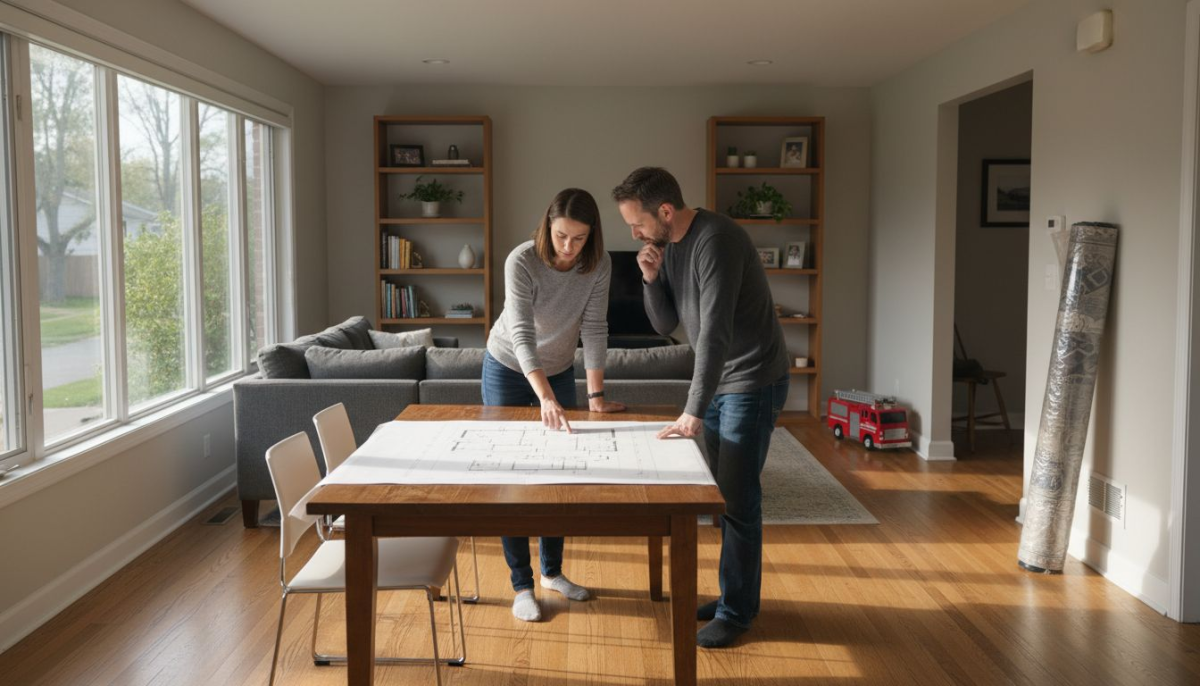
Balancing comfort, privacy, and flexibility in your home can feel challenging. Whether you want to open up your living space or carve out dedicated zones, finding the right design choices is key to making your environment work for your needs. The best part? There are clear strategies that cater to modern lifestyles and help you make the most of every square foot.
This list will guide you through proven concepts like open plan layouts, multi-use zoning, and smart furniture placement. Discover actionable insights that make your space feel brighter and more functional without sacrificing style or comfort. Get ready to learn how simple design decisions can create a home that truly adapts to your life.
Table of Contents
- 1. Understanding Open Plan Layouts For Flexible Living
- 2. Zoning Strategies For Multi-Use Spaces
- 3. Maximizing Function With Closed Plan Arrangements
- 4. Optimizing Traffic Flow With Circulation Planning
- 5. Enhancing Aesthetics Through Furniture Placement
- 6. Customizing Private And Shared Zones
- 7. Integrating Storage Solutions For Seamless Design
Quick Summary
| Key Insight | Explanation |
|---|---|
| 1. Open Plan Layouts Encourage Interaction | Remove barriers for fluid movement and social engagement. Homeowners gain spaces that adapt to changing needs and facilitate connections. |
| 2. Use Zoning for Multi-Functionality | Define areas within open spaces using furniture and lighting. This approach allows for simultaneous activities without clutter. |
| 3. Closed Plans Offer Privacy and Focus | Clearly defined rooms cater to dedicated activities, ensuring personal space and minimizing distractions. Perfect for shared living environments. |
| 4. Prioritize Efficient Circulation Planning | Design intuitive pathways to enhance movement and reduce congestion. Ensuring clear routes contributes to overall comfort and efficiency. |
| 5. Seamlessly Integrate Smart Storage Solutions | Use multifunctional furniture and built-in storage to maintain aesthetics while managing belongings efficiently. Tailor storage to suit lifestyle needs. |
1. Understanding Open Plan Layouts for Flexible Living
Open plan layouts represent a transformative approach to interior design that breaks down traditional room barriers to create expansive, multifunctional living spaces. By eliminating walls between key areas like kitchens, dining rooms, and living rooms, these layouts offer homeowners unprecedented flexibility in how they use and experience their homes.
The concept of open plan design originated in the early 20th century and has since become a hallmark of modern residential architecture. Open concept spaces support fluid living by allowing seamless movement and interaction between different functional zones. This design philosophy recognizes that contemporary families and individuals need spaces that can adapt quickly to changing needs and social dynamics.
At its core, an open plan layout is about creating visual connectivity and spatial fluidity. Instead of compartmentalizing living areas, these designs encourage natural interaction and make spaces feel larger and more integrated. A kitchen that opens directly into a living area, for instance, allows someone cooking to simultaneously engage with family members or guests, breaking down traditional barriers between preparation and social spaces.
The strategic implementation of open plan layouts requires careful consideration of several key elements. Furniture placement becomes crucial in defining different functional zones without using physical walls. Area rugs, strategic lighting, and furniture arrangements can help delineate spaces like a dining area or workspace within the larger open environment. This approach allows homeowners to create distinct zones that feel cohesive yet purposeful.
One significant advantage of open plan layouts is their ability to maximize natural light and create a sense of spaciousness. Removing walls allows light to flow more freely throughout the living area, making spaces feel brighter, more expansive, and more welcoming. For homeowners in regions with limited natural light, this design strategy can dramatically transform the perception and atmosphere of their living spaces.
Pro tip: When designing an open plan layout, use consistent color palettes and flooring materials to create visual harmony and smooth transitions between different functional zones.
2. Zoning Strategies for Multi-Use Spaces
Zoning strategies represent a sophisticated approach to designing living spaces that maximize functionality and adaptability within a single area. By thoughtfully dividing and defining different activity zones, homeowners can transform seemingly limited square footage into versatile environments that support multiple purposes simultaneously.
Modern interior design increasingly recognizes the importance of creating dynamic living spaces through intelligent spatial organization. These zoning strategies go beyond traditional room divisions by establishing flexible areas that can seamlessly transition between work, relaxation, and social interactions.
The core principle of effective multi-use zoning involves creating visual and functional boundaries without constructing physical walls. This can be achieved through strategic furniture placement, area rugs, lighting design, and subtle architectural elements that delineate different functional zones. For instance, a living room can incorporate a workspace, a reading nook, and an entertainment area without feeling cluttered or disjointed.
Consider the modern home office as a prime example of multi-use zoning. Instead of dedicating an entire room to work, homeowners can integrate a compact workspace within a living area by using a sleek desk that complements the existing decor, noise-reducing room dividers, or cleverly positioned bookshelves that create a sense of separation.
Lighting plays a crucial role in defining zones within a multi-use space. Different lighting temperatures and intensities can help distinguish areas without physical barriers. Warm, soft lighting might define a relaxation zone, while brighter, more focused lighting can demarcate a workspace or study area. This approach allows for visual and functional differentiation without compromising the overall openness of the space.
Texture and color can also be powerful tools in zoning strategies. Using complementary but distinct color palettes or varied flooring materials can subtly indicate different functional areas. A change in floor treatment from hardwood to an area rug, for example, can psychologically signal a transition between zones.
Pro tip: Invest in modular, multipurpose furniture that can easily be reconfigured to support different activities and help define zones within your living space.
3. Maximizing Function with Closed Plan Arrangements
Closed plan arrangements represent a strategic approach to interior design that prioritizes privacy, focused functionality, and distinct spatial organization. Unlike open plan layouts, these designs utilize physical walls to create clearly defined rooms that serve specific purposes and support individual activities.
The concept of closed plan design supports targeted functionality by establishing dedicated spaces for different household activities. This approach allows homeowners to create environments that minimize distractions and maximize performance in specific areas such as home offices, bedrooms, and study spaces.
In multi occupant households, closed plan arrangements offer significant advantages. Privacy becomes a key benefit, allowing family members or roommates to pursue individual activities without constant visual or auditory interference. A home office can remain undisturbed during family gatherings, while a bedroom can provide a quiet sanctuary for rest or personal work.
Acoustic management represents another critical advantage of closed plan layouts. By creating physical barriers between spaces, these designs naturally reduce noise transmission. This becomes particularly valuable in homes with diverse activities happening simultaneously such as remote work, online learning, and household chores.
Strategic closed plan design involves more than simply constructing walls. Thoughtful placement of rooms, careful consideration of sight lines, and intelligent use of soundproofing materials can transform a closed plan layout into a highly functional living environment. Consider incorporating sliding doors, strategically placed windows, or translucent partitions to maintain a sense of openness while preserving distinct functional zones.
Material selection plays a crucial role in closed plan arrangements. Soundproofing insulation, acoustic wall panels, and carefully selected flooring can enhance the performance of individual spaces. A home office might benefit from carpeting to reduce noise, while a kitchen could use hard surfaces that facilitate easy cleaning and sound management.
Pro tip: When designing closed plan spaces, incorporate versatile furniture and flexible lighting systems that can adapt to changing functional requirements while maintaining the room’s distinct purpose.
4. Optimizing Traffic Flow with Circulation Planning
Circulation planning represents the architectural art of creating seamless and efficient pathways through living spaces. This strategic approach transforms how people move within a home, ensuring smooth transitions between rooms while maximizing spatial functionality and comfort.
Circulation design determines home efficiency by establishing intuitive movement patterns that reduce congestion and minimize unnecessary walking. Effective circulation planning goes beyond simple hallways transforming how inhabitants experience and interact with their living environment.
Traffic flow considerations involve understanding the natural movement patterns of household members. This means analyzing how people typically traverse spaces identifying potential bottlenecks and designing pathways that feel natural and unobstructed. A well planned circulation system anticipates daily routines and creates intuitive routes between key living areas.
Strategic furniture placement plays a critical role in maintaining smooth circulation. Avoid positioning furniture that blocks natural walking paths or creates awkward navigation challenges. Consider creating wide pathways between rooms and maintaining clear sight lines that make movement feel effortless and organic.
Different household configurations require unique circulation strategies. Families with young children might prioritize open sightlines for supervision, while professionals working from home may need more defined circulation paths that minimize disruptions. Understanding the specific needs of household members allows for more personalized circulation planning.
Material selection can also enhance circulation efficiency. Consistent flooring materials between rooms create visual continuity and psychological ease of movement. Selecting surfaces with similar textures and colors helps reduce the perception of barriers and supports fluid spatial transitions.
Pro tip: When designing circulation paths, create a scaled floor plan and physically trace potential movement routes to identify and eliminate potential bottlenecks before finalizing your space layout.
5. Enhancing Aesthetics Through Furniture Placement
Furniture placement is an art form that transforms living spaces from mere rooms to curated environments that reflect personal style and support functional living. The strategic positioning of furniture can dramatically alter the perception and experience of an interior space.
Furniture layout influences psychological comfort by creating visual harmony and supporting natural movement patterns. The goal is not simply to fill a room with pieces but to choreograph a spatial dance that feels both intentional and effortless.
Visual balance emerges as a fundamental principle of aesthetic furniture placement. This means creating a sense of equilibrium through careful consideration of size, weight, and distribution of furniture pieces. A large sofa might be balanced by two smaller accent chairs, or a heavy wooden dining table could be offset by lightweight, transparent side chairs.
Conversation zones represent a critical consideration in furniture arrangement. Position seating to encourage interaction by creating intuitive gathering spaces. Chairs and sofas should face each other or be angled to facilitate easy communication, typically with a coffee table serving as a central anchor point.
Consider the architectural features of your space when placing furniture. Windows, fireplaces, and unique structural elements should serve as natural focal points around which furniture is arranged. Avoid blocking natural light or obstructing key architectural details that contribute to the room’s character.
Color and visual weight play significant roles in furniture placement. Lighter colored furniture can make a space feel more open, while darker pieces can ground a room and create visual depth. Mix furniture heights and textures to add visual interest and prevent the arrangement from feeling monotonous or flat.
Pro tip: Create a paper or digital floor plan before moving furniture, and use painter’s tape to mark potential furniture positions to visualize the layout without the physical strain of multiple moves.
6. Customizing Private and Shared Zones
Customizing private and shared zones transforms living spaces into dynamic environments that support both individual needs and collective interactions. The art of spatial design lies in creating seamless transitions between areas that offer personal retreat and communal engagement.
Residential design balances individual and social needs by strategically defining spatial boundaries. This approach recognizes that homes are complex ecosystems where different activities and personal requirements must coexist harmoniously.
Psychological boundaries play a crucial role in zone customization. Private zones serve as personal sanctuaries where individuals can recharge and find solitude, while shared zones foster connection and collective experiences. The key is creating flexible spaces that can adapt to changing household dynamics.
In multi occupant households, establishing clear yet permeable boundaries becomes essential. Consider using architectural elements like sliding doors, translucent partitions, or strategically placed furniture to define zones without creating harsh physical barriers. A bookshelf might serve as a natural divider between a home office and living area, providing both separation and visual continuity.
Technology and furniture selection can enhance zone customization. Noise cancelling headphones, mobile room dividers, and multipurpose furniture allow inhabitants to create temporary private spaces within shared environments. A compact desk with a folding screen, for instance, can transform a living room into a temporary workspace without permanent structural changes.
Color and lighting strategies also contribute to zone definition. Subtle changes in color palette or lighting temperature can psychologically distinguish different areas. Warmer, softer tones might define a relaxation zone, while cooler, brighter lighting could demarcate a work or study area.
Pro tip: Use removable acoustic panels and modular furniture to create flexible zones that can be easily reconfigured as your household needs evolve.
7. Integrating Storage Solutions for Seamless Design
Storage solutions represent far more than simple organizational tools they are integral design elements that can dramatically transform living spaces. The art of seamless storage integration involves creating functional spaces that appear effortlessly elegant and uncluttered.
Smart storage enhances living space efficiency by transforming traditional storage approaches into sophisticated design strategies. Modern homeowners seek solutions that not only manage belongings but also contribute to the overall aesthetic and functionality of their environments.
Visual harmony emerges as a critical principle in storage design. The most effective storage solutions blend invisibly into the architectural landscape, appearing as intentional design features rather than afterthought additions. Built in cabinetry, recessed shelving, and furniture with integrated storage compartments exemplify this approach.
Multifunctional furniture represents a sophisticated storage strategy. Ottoman beds with internal storage, coffee tables with hidden compartments, and modular shelving systems that can be customized provide flexible solutions for managing belongings without compromising design aesthetics. These pieces serve dual purposes maximizing both utility and visual appeal.
Technology now plays a significant role in advanced storage solutions. Smart home systems can incorporate automated storage mechanisms hidden behind panels or within walls creating seemingly magical spaces that transform on demand. Motorized shelving systems kitchen cabinets that emerge with the touch of a button and electronically controlled closet organizers represent the cutting edge of storage innovation.
Consider your specific lifestyle when designing storage solutions. A professional might require different storage approaches compared to a family with young children. Analyze your daily routines identify frequently used items and design storage that supports rather than hinders your natural movement patterns.
Pro tip: Choose storage solutions with neutral color palettes and clean lines to ensure they integrate seamlessly with your existing interior design without creating visual disruption.
Below is a table summarizing key concepts and strategies discussed in the article regarding various interior design approaches.
| Concept | Description | Key Considerations |
|---|---|---|
| Open Plan Layouts | Eliminates barriers for multifunctional spaces and fluid transitions. | Focus on visual connectivity, spatial fluidity, and natural light maximization. |
| Zoning Strategies | Creates multi-use spaces with functional and visual boundaries. | Use furniture placement, lighting design, and color palettes for subtle transitions between areas. |
| Closed Plan Arrangements | Utilizes walls to define spaces with distinct purposes, enhancing privacy and focus. | Integrate soundproofing materials and flexible room layouts tailored to activity types. |
| Circulation Planning | Designs intuitive pathways to ensure seamless movement within spaces. | Prioritize traffic flow and avoid obstructions while maintaining sightlines and consistent flooring. |
| Furniture Placement | Positions furniture to achieve visual harmony and functional living without sacrificing aesthetics. | Consider architectural features, use balanced color schemes, and create engaging conversational zones. |
| Private and Shared Zones | Designs spaces balancing individual needs and communal interactions. | Employ flexible partitions and modular furniture to allow dynamic use of areas. |
| Integrated Storage Solutions | Incorporates storage as a design element for enhanced organization and aesthetics. | Utilize multifunctional furniture and automated storage technologies for adaptability. |
Transform Your Home with Expert Space Planning Solutions
Struggling to create a home that perfectly balances open areas, private zones, and smooth traffic flow can feel overwhelming. Whether you want flexible living spaces, clear zoning for multi-use rooms, or enhanced privacy with closed layouts, understanding the essentials of space planning is key to unlocking your home’s full potential. The article “7 Essential Types of Space Planning for Homeowners” highlights critical challenges like maximizing function without sacrificing style and creating seamless transitions throughout your home.
At SAM Interiors, award-winning designer Staci A. Meyers brings her passion and artistic precision to every project. Guided by her philosophy of Excellence by Design, she offers custom solutions that seamlessly integrate your unique lifestyle with smart furniture placement, thoughtful circulation planning, and tailored private and shared zones. Explore our approach further in the Uncategorized Archives where inspiration meets practicality.
Don’t wait to transform your living space into an environment that reflects you. Visit SAM Interiors today and take the first step toward a home designed for you. Discover how intentional space planning can elevate your daily life and make your home everything you envision.
Frequently Asked Questions
What are open plan layouts and how can they benefit my home?
Open plan layouts eliminate walls between key areas, creating multifunctional living spaces. This design enhances natural interaction and maximizes natural light. To implement, consider integrating your kitchen, dining, and living spaces for a more fluid experience.
How can I effectively zone multi-use spaces in my home?
Zoning strategies define distinct functional areas without physical barriers, using furniture placement and lighting. To create effective zones, strategically arrange your furniture and select color palettes that signal different functions, such as a workspace versus a relaxation area.
What are the advantages of closed plan arrangements in a home?
Closed plan arrangements create privacy and reduce noise between rooms, ideal for multi-occupant households. To maximize this design, carefully plan your layout to include dedicated spaces for activities like work and rest, ensuring minimal distractions.
How does circulation planning enhance traffic flow in my home?
Effective circulation planning optimizes pathways for seamless movement between rooms. By ensuring clear sight lines and wide pathways, you can minimize congestion and enhance overall comfort. Start by mapping your daily movement patterns and adjusting your layout accordingly.
How can I customize private and shared zones in my living space?
Customizing private and shared zones allows for both personal retreats and communal engagement. Use elements like sliding doors or room dividers to maintain flexibility while clearly defining areas. Experiment with furniture layouts to create spaces that adapt to changing needs.
What are some smart storage solutions to integrate into my home design?
Smart storage solutions blend functionality with aesthetics, helping maintain an uncluttered environment. Incorporate multi-functional furniture like ottoman beds or shelving units to maximize space. Analyze your belongings and lifestyle to determine which solutions will best support your needs.