
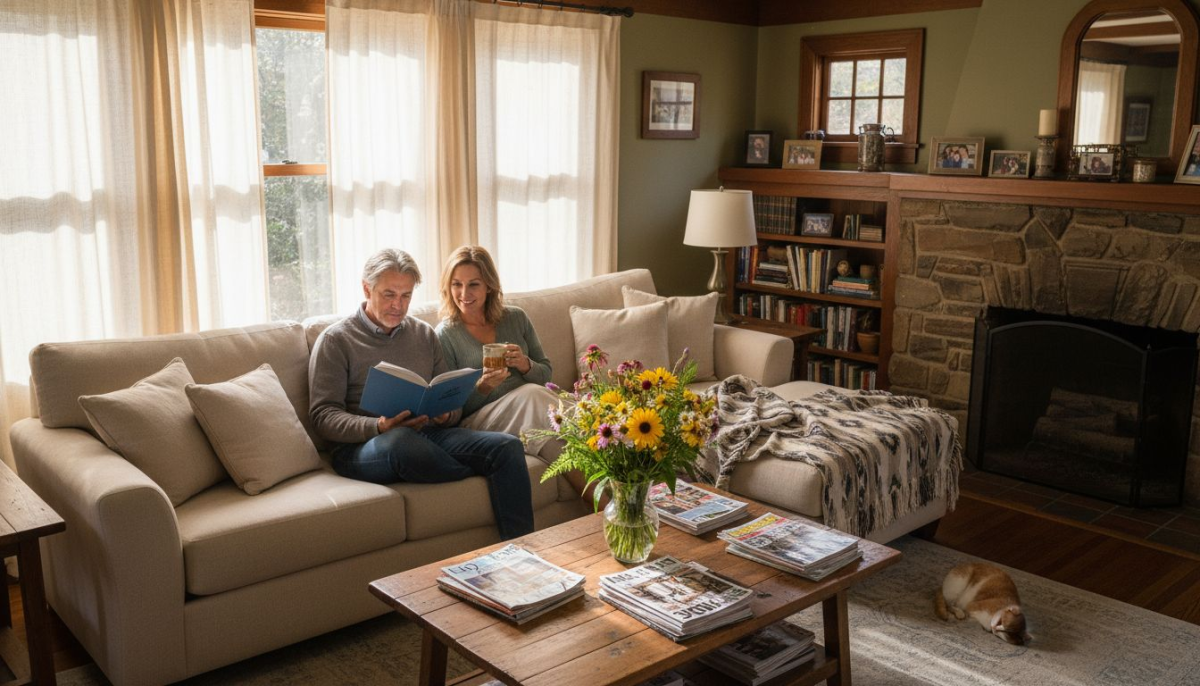
Every elegant home in Michigan or Florida begins with a clear sense of what truly matters to you. The journey to selecting stylish, long-lasting furnishings is about more than updating a look or adding comfort—it is about aligning design with your daily routines and future aspirations. By focusing on a comprehensive point of view that addresses both aesthetics and personal needs, you will discover how to craft spaces that reflect your identity while supporting your lifestyle. Defining your design vision is the foundation of a truly exceptional living environment.
Table of Contents
- Step 1: Define Your Design Vision And Lifestyle Needs
- Step 2: Measure Your Space And Set A Furnishings Budget
- Step 3: Evaluate Materials And Prioritize Durability
- Step 4: Coordinate Colors, Textures, And Finishes
- Step 5: Assess Quality And Test For Comfort
- Step 6: Review Selections To Ensure Cohesive Style
Quick Summary
| Key Insight | Explanation |
|---|---|
| 1. Define your design vision | Create a comprehensive vision that aligns with your lifestyle and aesthetic preferences to guide your interior design choices. |
| 2. Measure space and budget wisely | Accurate measurements and a clear budget help ensure furniture fits and meets financial considerations effectively. |
| 3. Prioritize material durability | Choose furnishings made from durable materials that withstand daily use, balancing beauty with functionality and longevity. |
| 4. Coordinate colors and textures | Develop a cohesive color palette and mix textures thoughtfully to create an inviting and unified design story. |
| 5. Assess quality and comfort thoroughly | Test furniture quality and comfort by simulating everyday use to ensure pieces provide the necessary support and durability. |
Step 1: Define your design vision and lifestyle needs
Defining your design vision starts with understanding how your home furnishings will support your unique daily experiences. The goal is to create an environment that not only looks beautiful but seamlessly integrates with your personal lifestyle and functional requirements.
Successful interior design begins by creating a comprehensive point of view that captures your specific needs and aesthetic preferences. Consider these strategic approaches to crystallize your design vision:
- Analyze daily routines and identify how different spaces will be used
- Document your personal aesthetic preferences through visual mood boards
- Evaluate functional requirements for each living area
- Consider long-term lifestyle changes that might impact furniture selections
A thoughtful design vision transcends mere decoration. It’s about crafting an environment that reflects your personality while providing practical support for your lifestyle. Interior environments should address human needs including aesthetics, functionality, comfort, and personal well-being.
Your design vision is a roadmap that transforms spaces from mere rooms into meaningful personal sanctuaries.
Start by creating a comprehensive inventory of your lifestyle needs. This might include understanding how you entertain, work, relax, and move through your living spaces. Consider factors like family dynamics, professional requirements, hobbies, and future plans that could influence your design choices.

Pro tip: Capture your design vision through detailed sketches, digital mood boards, or curated image collections that help you articulate your spatial aspirations and functional requirements.
Step 2: Measure your space and set a furnishings budget
Selecting the perfect home furnishings requires a strategic approach that balances spatial constraints with financial planning. Your goal is to create a comprehensive understanding of both your physical environment and financial capabilities before making any purchasing decisions.
Start by developing a systematic space allocation strategy that provides a clear blueprint for your furnishings. Accurate measurements are crucial to ensuring that your selected pieces will fit seamlessly into your living spaces. Here are the key steps to measure your space effectively:
- Measure room dimensions precisely using a laser measure or steel tape measure
- Document wall lengths, including windows, doors, and architectural features
- Create a scaled floor plan on graph paper or using digital design tools
- Note electrical outlet locations and potential furniture placement constraints
Simultaneously, developing a comprehensive budget requires careful financial analysis. Understand your financial landscape by breaking down your approach into clear financial categories:
- Calculate total available funds for furnishings
- Determine priority areas for investment
- Establish percentage allocations for different room types
- Include buffer funds for unexpected expenses
Successful home furnishing is about creating a harmonious balance between spatial possibilities and financial realities.
Consider your long-term lifestyle needs when setting your budget. This means thinking beyond immediate aesthetics and focusing on durability, functionality, and potential future changes in your living situation.
Pro tip: Take detailed photographs of your space alongside measurements to create a comprehensive visual and dimensional reference that will help you make more informed furnishing decisions.
Step 3: Evaluate materials and prioritize durability
Choosing home furnishings that stand the test of time requires a strategic approach to material selection and understanding performance characteristics. Your objective is to invest in pieces that not only look beautiful but can withstand daily use and maintain their quality for years to come.
Durability principles guide material selection across different categories of home furnishings. Understanding the nuanced differences between natural and synthetic materials will help you make informed decisions that balance aesthetics, functionality, and longevity:
- Assess material performance under everyday stress conditions
- Compare wear resistance of different fabric and surface treatments
- Evaluate maintenance requirements for each material type
- Consider environmental impact of material production and lifecycle
Key material evaluation criteria include:
- Fabric durability for upholstered furniture
- Surface hardness for tables and countertops
- Resilience to moisture and temperature changes
- Resistance to UV and sunlight degradation
Comparative research on material properties reveals critical insights into long-term performance. Natural materials like wood and cotton offer organic beauty, while synthetic options provide enhanced durability and easier maintenance.
Here’s a summary of how different material types affect home furnishing outcomes:
| Material Type | Pros | Cons | Best Use Cases |
|---|---|---|---|
| Natural (Wood, Cotton) | Organic look, breathable, often renewable | May require more maintenance, some durability limits | Formal living rooms, eco-friendly homes |
| Synthetic (Polyester, Engineered wood) | Highly durable, resistant to stains and fading | Less authentic appearance, may off-gas chemicals | High-traffic areas, homes with pets or kids |
| Blended (Mix of natural and synthetic) | Combines durability and comfort, balanced options | Can be more expensive, variable longevity | Bedrooms, multi-purpose spaces |
Intelligent material selection transforms furniture from mere objects into lasting investments that grow more meaningful with time.
Consider your specific lifestyle needs when prioritizing durability. A home with active children or pets might require different material standards compared to a more formal living environment.
Pro tip: Request material samples and conduct personal durability tests by applying simulated stress like rubbing, moisture exposure, and color-fast assessments before making final purchasing decisions.
Step 4: Coordinate colors, textures, and finishes
Creating a harmonious interior design requires thoughtful coordination of colors, textures, and finishes that work together to create a cohesive and inviting living space. Your goal is to develop a visual language that tells a unified story through your home furnishings.
Color harmony theories offer strategic guidance for developing a sophisticated color palette. Understanding how colors interact helps you create balanced and visually compelling environments that reflect your personal style:
- Identify your primary color palette
- Select complementary and analogous color schemes
- Consider color undertones and temperature
- Balance neutral and accent colors
Texture and finish coordination adds depth and visual interest to your design:
- Layer different fabric textures (smooth, nubby, woven)
- Mix wood finishes with varying sheens
- Combine metallic and matte surfaces
- Create visual rhythm through texture variation
Successful pattern and texture mixing requires a strategic approach to proportion and consistency. Consider scale, color tone, and visual weight when combining different design elements.
Thoughtful coordination transforms individual pieces into a harmonious, sophisticated design narrative.
Remember that coordination is about creating visual dialogue between different elements. Each piece should complement others while maintaining its unique character.
Pro tip: Create a physical mood board with fabric swatches, paint chips, and material samples to visualize how different colors, textures, and finishes interact before making final design decisions.
Step 5: Assess quality and test for comfort
Selecting home furnishings requires more than visual appeal. Your ultimate goal is to choose pieces that provide exceptional comfort, durability, and support for your daily lifestyle. Understanding how to thoroughly evaluate quality and comfort becomes critical in making informed purchasing decisions.
Comprehensive comfort assessment involves multiple dimensions beyond simple visual inspection. This holistic approach examines physical, psychological, and ergonomic factors that contribute to a piece’s overall performance:
- Evaluate seat depth and cushion firmness
- Test weight distribution and support
- Check material flexibility and resilience
- Assess potential pressure points
Quality evaluation criteria should include:
- Construction integrity of joints and connections
- Material durability under repeated use
- Structural stability across different positions
- Fabric strength and wear resistance
Furniture safety standards provide additional quality benchmarks that go beyond basic comfort metrics. These technical guidelines help ensure that your selected furnishings meet rigorous performance and safety requirements.
Quality is not an accident, but a result of intelligent effort and precise execution.
Remember that comfort is subjective. What works perfectly for one person might feel uncomfortable for another. Take time to personally test and experience each piece in realistic usage scenarios.
Pro tip: Spend at least 10-15 minutes sitting or testing each furniture piece, simulating your typical usage patterns to get an accurate sense of long-term comfort and support.
Step 6: Review selections to ensure cohesive style
Creating a harmonious interior design requires careful review and thoughtful selection of furnishings that work together seamlessly. Your goal is to curate a collection of pieces that tell a unified visual story while reflecting your personal aesthetic and lifestyle needs.
Furniture decision-making involves holistic style assessment that goes beyond individual piece appeal. Successful style cohesion requires strategic evaluation of how different elements interact and complement each other:
- Compare color palettes across selected pieces
- Assess visual weight and proportion
- Verify design style consistency
- Check material and finish harmony
Key review strategies include:
- Create a comprehensive room layout
- Photograph potential arrangements
- Use digital design tools for visualization
- Compare pieces side by side
Sustainable furnishings councils emphasize storytelling through design choices that reflect personal values and aesthetic vision. This means looking beyond individual items to understand how they collectively communicate your design narrative.
This table highlights ways to ensure cohesive style throughout your interior:
| Cohesion Strategy | Description | Visual Impact |
|---|---|---|
| Unified Color Theme | Use recurring color palettes | Creates a calm, balanced look |
| Consistent Proportion | Choose furniture with related scale | Enhances flow and comfort |
| Material Matching | Pair similar wood finishes or metals | Conveys intentional design |
| Accent Variety | Add distinct statement pieces | Maintains interest and personality |
A cohesive interior is not about matching everything perfectly, but creating a thoughtful dialogue between different design elements.
Remember that style cohesion is about creating intentional relationships between furnishings, not eliminating all individuality. Each piece should contribute to the overall narrative while maintaining its unique character.
Pro tip: Step back and view your room from multiple angles, taking photographs to objectively assess how selected furnishings interact and flow together.
Elevate Your Home Furnishing Choices with Expert Design Guidance
Choosing home furnishings that blend lasting style with everyday comfort can feel overwhelming. This article highlights common challenges like defining your design vision, balancing durability with aesthetic appeal, and ensuring cohesive style. If you want to move beyond guesswork and create a truly personalized space that fits your lifestyle and needs, expert support is essential.
At SAM Interiors, Staci A. Meyers combines award-winning design expertise with a passion for crafting interiors that reflect your unique vision. Explore inspiring transformations in our Case Study Archives – SAM Interiors to see how thoughtful space planning, material selection, and color coordination come together seamlessly. Do not settle for temporary solutions when lasting beauty and comfort are within reach. Visit SAM Interiors today and start turning your home furnishing dreams into a vibrant reality.
Take the next step by discovering how intentional design can transform your home into a sanctuary tailored just for you.
Frequently Asked Questions
How can I define my design vision for home furnishings?
To define your design vision, start by analyzing your daily routines and identifying how different spaces will be used. Create mood boards to visualize your aesthetic preferences and consider long-term lifestyle changes that may affect your choices.
What steps should I take to measure my space accurately?
Begin by measuring the room dimensions with a tape measure, documenting wall lengths, and noting architectural features. Create a scaled floor plan to visualize how furniture will fit, ensuring to include electrical outlet locations for optimal placement.
How can I assess materials for durability in home furnishings?
Evaluate materials by comparing their performance under everyday stress, including wear resistance and maintenance requirements. Request samples and conduct simple durability tests on fabrics and surfaces before making final selections.
What should I consider when coordinating colors and textures?
Identify your primary color palette and select complementary colors to create visual harmony. Experiment with layering different textures and finishes to add depth, ensuring a cohesive look throughout your space.
How can I test for comfort in furniture before purchasing?
Thoroughly evaluate comfort by sitting on each piece for at least 10–15 minutes, simulating how you would typically use it. Pay attention to seat depth and cushion firmness to ensure it meets your comfort needs.
What strategies can help ensure a cohesive style in my interior design?
Review all selected pieces for color, proportion, and design consistency, comparing them side by side if necessary. Create a comprehensive room layout to visualize how each item interacts and flows together.