
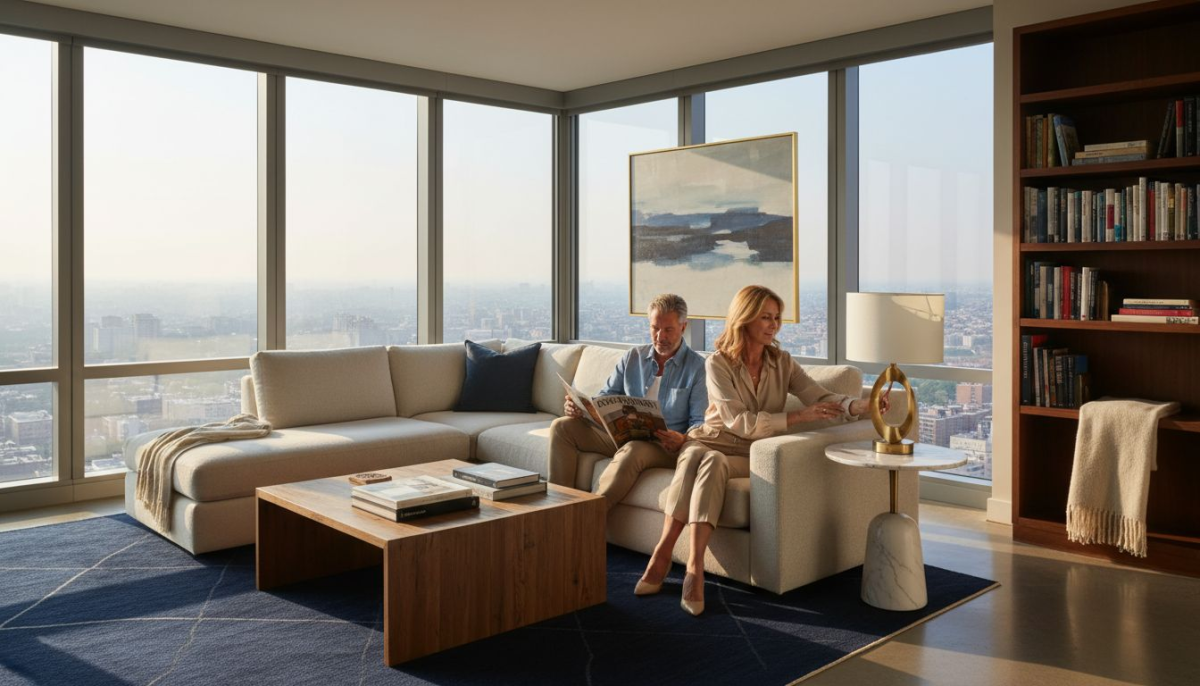
Choosing the right furniture can be the difference between a refined gathering space and a disjointed room that misses the mark. For homeowners in stunning locations like Florida and Michigan, every design decision carries extra weight, shaping both social experiences and daily family life. Thoughtful furniture selection creates a foundation for both sophisticated ambiance and practical comfort, allowing each space to support your unique lifestyle while achieving true visual harmony.
Table of Contents
- Defining The Role Of Furniture Selection
- Understanding Styles And Types Of Furniture
- Balancing Functionality, Comfort, And Lifestyle
- Assessing Scale, Proportion, And Spatial Harmony
- Choosing Materials And Quality For Longevity
- Common Mistakes And Expert Strategies To Avoid
Key Takeaways
| Point | Details |
|---|---|
| Furniture Selection is Strategic | Choosing furniture is a process that combines aesthetics and functionality to enhance living spaces and support daily experiences. |
| Understanding Styles is Crucial | Familiarity with different furniture styles and their characteristics helps in creating cohesive and meaningful design narratives. |
| Balance Functionality and Comfort | Effective furniture design must accommodate both ergonomic needs and lifestyle requirements for optimal user experience. |
| Avoid Common Mistakes | Comprehensive planning and thorough assessment can prevent common pitfalls in furniture selection, ensuring design integrity and suitability. |
Defining the Role of Furniture Selection
Furniture selection represents far more than aesthetic choices—it is a strategic design process that fundamentally transforms living environments. In sophisticated spaces, furniture acts as both functional infrastructure and visual storytelling, defining how rooms breathe, interact, and support human experiences. Furniture defines spatial experiences by connecting architectural elements with daily living requirements.
The role of furniture selection encompasses several critical dimensions:
- Spatial Functionality: Determining how rooms actually work and flow
- Visual Harmony: Creating cohesive design narratives
- Ergonomic Performance: Supporting physical comfort and well-being
- Lifestyle Translation: Reflecting inhabitants’ unique personalities
Professional designers understand that furniture represents more than objects—they are purposeful interventions that transform empty rooms into living ecosystems. By carefully considering factors like scale, proportion, material quality, and user interaction, designers craft environments that feel simultaneously intentional and effortlessly natural.
Effective furniture design considers both use and design to maximize impact on users’ experiences.
Selecting furniture requires a nuanced understanding of architectural context, personal lifestyle, and design principles. Every piece must balance aesthetic appeal with practical performance, creating spaces that are not just beautiful, but genuinely livable.
Pro tip: When selecting furniture, prioritize pieces that offer both visual resonance and functional flexibility to create truly transformative living environments.
Understanding Styles and Types of Furniture
Furniture styles represent complex visual languages that communicate design philosophy, cultural heritage, and functional purpose. Furniture classification involves essential categorization that helps designers and homeowners understand product characteristics and potential applications. Each furniture style carries unique historical and aesthetic narratives that extend beyond simple decorative choices.
Key furniture styles for sophisticated spaces include:
Here is a comparison of popular furniture styles and their distinctive characteristics:
| Style | Defining Traits | Typical Materials |
|---|---|---|
| Traditional | Ornate details, classic elegance | Solid wood, fine fabrics |
| Modern | Clean lines, minimal forms | Metal, glass, veneer |
| Contemporary | Trend-driven, adaptable designs | Mixed materials, plastics |
| Mid-Century | Organic curves, elegant function | Teak, walnut, molded plywood |
| Transitional | Blended modern and classic motifs | Wood, neutral fabrics |
- Traditional: Elegant, ornate designs with historical European influences
- Modern: Clean lines, minimalist aesthetics, functional simplicity
- Contemporary: Current design trends, fluid forms, innovative materials
- Mid-Century: Organic shapes, functional elegance from 1940-1960s
- Transitional: Blend of traditional and contemporary design elements
Professional interior designers recognize that furniture types can be strategically classified across multiple dimensions. Beyond aesthetic styles, furniture can be categorized by:
- Functional Purpose
- Material Composition
- Design Period
- Manufacturing Technique
- Cultural Origin
Understanding furniture types allows matching design elements precisely to lifestyle requirements and spatial narratives.
The most sophisticated furniture selections balance visual appeal with practical performance. This requires deep understanding of how different styles interact with architectural spaces, personal preferences, and lifestyle dynamics. Successful furniture selection transforms rooms from mere physical containers into expressive, living environments.
Pro tip: When exploring furniture styles, consider how each piece communicates a narrative and contributes to the overall spatial experience.
Balancing Functionality, Comfort, and Lifestyle
Creating sophisticated living spaces requires a delicate choreography of design elements that seamlessly integrate functionality, comfort, and personal lifestyle. Ergonomic furniture design blends science and art to ensure physical well-being and aesthetic satisfaction. The most successful interiors are those that anticipate and support the nuanced ways inhabitants live, work, and relax.
Key considerations for balanced furniture selection include:
- Ergonomic Support: Ensuring physical comfort and health
- Spatial Efficiency: Maximizing utility without sacrificing aesthetics
- Lifestyle Adaptability: Creating flexible environments
- Personal Expression: Reflecting individual personality and preferences
- Performance Requirements: Matching furniture to specific functional needs
Multifunctional furniture has emerged as a critical strategy for sophisticated spaces, particularly in urban and coastal environments where spatial constraints demand creative solutions. This approach goes beyond mere space-saving—it represents a holistic design philosophy that respects both form and function.
Furniture should support physiological needs and lifestyle demands, emphasizing biomechanical compatibility for long-term well-being.
The most sophisticated design approaches consider furniture not as isolated objects, but as integrated components of a larger spatial narrative. Each piece must contribute to the overall experience, balancing visual elegance with practical performance. This requires a nuanced understanding of how people actually inhabit and interact with their living environments.

Pro tip: Select furniture pieces that offer multiple functions and adapt seamlessly to your evolving lifestyle needs.
Assessing Scale, Proportion, and Spatial Harmony
Spatial harmony emerges from the delicate interplay between architectural dimensions and furniture selection. Scale and proportion link furniture to architectural dimensions creating environments that feel both visually compelling and functionally intuitive. Understanding these design principles transforms spaces from mere rooms into carefully orchestrated living experiences.
Key considerations for achieving spatial harmony include:
- Visual Balance: Creating a sense of equilibrium between furniture elements
- Human Scale: Ensuring furniture relates proportionally to room dimensions
- Negative Space: Maintaining breathing room between furniture pieces
- Visual Weight: Distributing furniture to create optical balance
- Architectural Dialogue: Complementing existing structural elements
Professional designers employ sophisticated strategies to assess furniture scale and proportion:
- Measure room dimensions precisely
- Consider ceiling heights
- Analyze natural light patterns
- Evaluate existing architectural features
- Map potential furniture placement
Properly scaled furniture complements room size, enhancing comfort and visual harmony.
The most nuanced approach recognizes that scale is not just about physical measurements, but about creating emotional resonance within a space. Each furniture piece should feel intentional, contributing to an overall narrative that reflects the inhabitant’s lifestyle and aesthetic sensibilities.
Pro tip: Use painter’s tape to outline potential furniture placement, helping visualize scale and proportion before making final selections.
Choosing Materials and Quality for Longevity
Sophisticated furniture selection demands a strategic approach to material selection that transcends aesthetic considerations. Sustainable furniture material selection integrates structural optimization with performance requirements, ensuring both visual elegance and long-term durability. The right materials become the foundation of furniture that ages gracefully while maintaining its functional integrity.
Key material quality considerations include:
- Structural Resilience: Ability to withstand daily use
- Environmental Sustainability: Minimizing ecological impact
- Aesthetic Aging: Materials that develop character over time
- Maintenance Requirements: Ease of cleaning and preservation
- Performance Characteristics: Resistance to wear, humidity, and stress
Professional designers evaluate materials through multiple critical lenses:
- Mechanical durability
- Aesthetic potential
- Environmental sustainability
- Long-term cost-effectiveness
- Compatibility with lifestyle demands
Engineered woods offer mechanical efficiency and cost-effectiveness while supporting sustainability.
The most intelligent material selections recognize that furniture is an investment—not just a transient decorative element. Each material choice should balance immediate visual appeal with long-term performance, creating pieces that evolve beautifully with the spaces they inhabit.
Pro tip: Always request material samples and test them under conditions similar to their intended use to assess true durability and performance.
Common Mistakes and Expert Strategies to Avoid
Designing sophisticated interior spaces requires nuanced decision-making, with furniture selection presenting numerous potential pitfalls that can compromise the entire design vision. 7 Essential Types of Space Planning provide critical guidance for avoiding common furniture selection errors that can derail design intentions.
Common mistakes homeowners frequently encounter include:
- Scale Miscalculation: Selecting furniture disproportionate to room dimensions
- Impulse Purchasing: Buying pieces without considering overall design strategy
- Neglecting Functionality: Prioritizing aesthetics over practical usage
- Ignoring Lifestyle Compatibility: Choosing furniture inconsistent with daily needs
- Overlooking Material Performance: Selecting materials unsuitable for specific environments
Expert strategies for mitigating design risks involve:
Below is a summary of expert strategies versus common mistakes in furniture selection:
| Aspect | Common Mistake | Expert Strategy |
|---|---|---|
| Room Sizing | Choosing items too large or small | Measuring space accurately |
| Material Choice | Overlooking durability needs | Testing materials for longevity |
| Design Cohesion | Impulse buying unrelated pieces | Creating cohesive mood boards |
| Lifestyle Fit | Ignoring practical requirements | Analyzing daily living preferences |
| Long-term Perspective | Focusing only on current trends | Planning for lifestyle evolution |
- Comprehensive room measurements before selection
- Creating detailed design mood boards
- Considering long-term lifestyle evolution
- Testing material durability
- Maintaining design cohesiveness
Professional designers approach furniture selection as a holistic, strategic process—not merely a decorative exercise.
Successful furniture selection demands intellectual rigor, emotional intelligence, and a deep understanding of spatial dynamics. Each decision should be intentional, reflecting not just aesthetic preferences but a comprehensive vision of how spaces genuinely support human experiences.
Pro tip: Always develop a comprehensive design brief before making any furniture purchases, outlining functional requirements, aesthetic preferences, and budgetary constraints.
Elevate Your Space with Purposeful Furniture Selection
Struggling to balance functionality, comfort, and style in your living environment The article highlights key challenges like achieving spatial harmony, ergonomic comfort, and material longevity that transform homes into sophisticated, livable spaces. At SAM Interiors, we understand these pain points intimately because great furniture selection is not just about individual pieces but crafting a cohesive story that reflects your lifestyle and personality.
Explore our Case Study Archives – SAM Interiors to see how intentional design and strategic furniture choices have reinvented spaces just like yours. With award-winning designer Staci A. Meyers leading every project, your home can achieve that perfect balance between aesthetic elegance and practical performance. Ready to start your transformation Visit SAM Interiors today and discover how expert guidance can make all the difference in creating sophisticated spaces tailored to you.
Frequently Asked Questions
What is the role of furniture selection in interior design?
Furniture selection is a critical design process that transforms living spaces from mere physical containers into expressive environments, enhancing spatial functionality, visual harmony, ergonomic performance, and reflecting the inhabitants’ lifestyle.
How do I choose the right furniture style for my space?
To choose the right furniture style, consider the defining traits of various styles like traditional, modern, and contemporary. Assess how each style aligns with your architectural context and personal preferences for aesthetic resonance and functional adaptability.
What are the key considerations for balancing functionality and comfort in furniture selection?
Key considerations include ensuring ergonomic support for comfort, maximizing spatial efficiency for utility, creating adaptable environments for changing lifestyles, and reflecting personal expression through chosen pieces.
How important are materials and quality in furniture selection?
Materials and quality are crucial as they determine the furniture’s durability, sustainability, and maintenance needs. Selecting high-quality, appropriate materials ensures that furniture not only looks good but also performs well over time, supporting long-term use and aesthetic aging.