
Entertaining in style starts with a home that truly supports the way you live and gather. For homeowners in Michigan and Florida, where hosting friends and family is as important as having a personal retreat, every room should blend comfort with purpose. By focusing first on understanding how your space will function, you lay the groundwork for interiors that feel tailored and inviting, setting the stage for a design journey shaped by your unique tastes and entertaining needs.
Table of Contents
- Step 1: Assess Your Space And Define Your Vision
- Step 2: Gather Inspiration And Establish Your Palette
- Step 3: Select Furnishings And Refine Layout
- Step 4: Incorporate Art, Decor, And Lighting Layers
- Step 5: Review Details And Finalize Your Design
Quick Summary
| Key Insight | Explanation |
|---|---|
| 1. Assess Your Space Effectively | Analyze dimensions, light sources, and furniture placement to understand current function and limitations. |
| 2. Gather and Curate Inspiration | Utilize platforms like Pinterest to collect design ideas and establish a cohesive color palette for your space. |
| 3. Choose Appropriate Furnishings | Select furniture based on scale, comfort, and aesthetic harmony to enhance the functional design narrative. |
| 4. Layer Art, Decor, and Lighting | Incorporate various lighting types and personal art to create depth and emotional resonance in your design. |
| 5. Conduct a Comprehensive Review | Review all design elements for consistency and functionality, ensuring the final design aligns with your vision. |
Step 1: Assess your space and define your vision
Establishing a compelling interior design begins with a strategic assessment of your existing space and crafting a clear, personalized vision. Understanding how your space will function is the critical first step in transforming your home into a reflection of your lifestyle.
To effectively assess your space, start by conducting a comprehensive evaluation of your room’s current configuration. Professional space planning methods recommend analyzing several key aspects:
- Room dimensions and architectural features
- Natural light sources and window placements
- Existing structural elements like columns or built-in fixtures
- Traffic flow and movement patterns
- Current furniture placement and potential limitations
During this assessment, consider how you genuinely use the space versus how you want it to function. Ask yourself critical questions about your daily routines, entertainment needs, and personal aesthetic preferences. Are you seeking a formal living area for sophisticated gatherings? A cozy family room that encourages relaxation? A multifunctional workspace that supports both creativity and productivity?
Your space should tell the story of who you are and support the way you actually live.
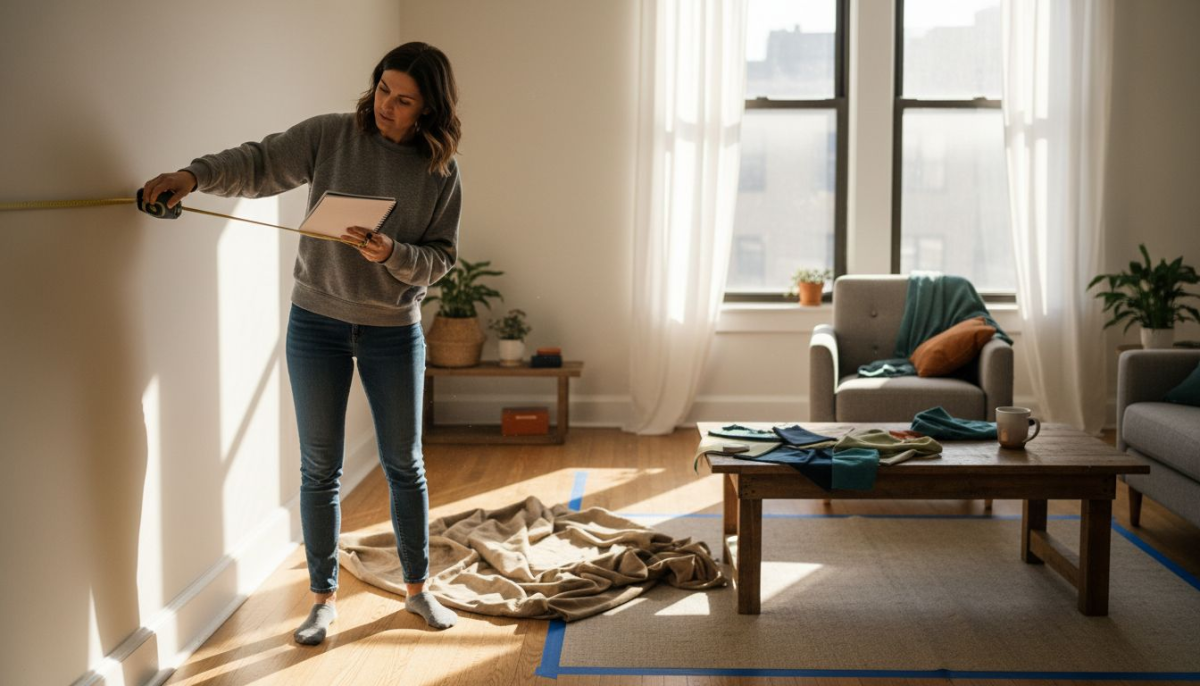
Document your observations through rough sketches, photographs, and detailed notes. Measure each room precisely, including wall lengths, window and door locations, and any architectural quirks that might impact furniture placement or design flow.
Pro tip: Use painter’s tape to outline potential furniture arrangements directly on the floor, giving you a three-dimensional sense of how different layouts might work before making any physical changes.
Step 2: Gather inspiration and establish your palette
Designing a compelling interior begins with curating visual inspiration and developing a cohesive color palette that reflects your personal style and home’s unique character. Collecting design references transforms abstract ideas into a tangible design direction.
Interior design professionals recommend exploring inspiration through multiple channels:
- Pinterest and design-focused social media platforms
- Architectural and interior design magazines
- Photography of spaces that resonate with your aesthetic
- Nature-inspired color combinations
- Art galleries and museum exhibitions
- Travel experiences and cultural design influences
When establishing your color palette, consider the emotional and psychological impact of different hues. Neutral foundation colors provide flexibility, while accent colors inject personality and energy into your space. Think beyond wall colors – consider how colors will interact with furniture, textiles, and architectural elements.
A thoughtfully curated color palette transforms a room from simply decorated to deeply personal and emotionally resonant.
Document your inspirational discoveries by creating a physical or digital mood board. Collect fabric swatches, paint chips, material samples, and images that capture the essence of your desired aesthetic. This visual compilation will serve as a critical reference throughout your design journey.

Pro tip: Photograph your inspiration collection in natural light to accurately assess how colors and textures interact, helping you make more informed design decisions.
Step 3: Select furnishings and refine layout
Selecting the right furnishings and refining your interior layout is a nuanced process that transforms your space from empty to extraordinary. Creating a functional and beautiful environment requires careful consideration of how each piece contributes to the overall design narrative.
Professional interior designers recommend approaching furniture selection through strategic criteria:
- Scale and proportion relative to room dimensions
- Comfort and ergonomic design
- Material durability and performance
- Aesthetic harmony with your established color palette
- Flexibility for multiple uses
- Balance between statement pieces and supporting furniture
When refining your layout, prioritize natural traffic flow and create intentional conversation zones. Consider how people will move through the space and arrange furniture to facilitate comfortable interaction while maintaining visual breathing room. Avoid pushing all furniture against walls – instead, create depth by floating pieces and establishing multiple focal points.
Thoughtful furniture placement transforms a room from a collection of objects into a living, breathing environment.
Evaluate each furniture piece not just for its individual beauty, but for how it contributes to the holistic design. A single well-chosen chair can anchor an entire room, while oversized or poorly placed furniture can disrupt the entire aesthetic balance.
Pro tip: Use painter’s tape to outline furniture dimensions on the floor before purchasing, helping you visualize scale and movement without committing to a purchase.
Step 4: Incorporate art, decor, and lighting layers
Transforming your interior design from functional to extraordinary requires thoughtful layering of art, decor, and lighting elements. Creating visual depth and emotional resonance means curating pieces that tell your unique story and enhance the space’s atmosphere.
Interior design professionals recommend approaching these elements strategically:
- Art as a focal point and personal expression
- Decor that adds texture and narrative
- Lighting as a dynamic, functional design tool
- Balanced compositions that create visual interest
- Pieces that reflect your personal aesthetic and lifestyle
- Intentional placement to guide visual movement
Think of lighting as the jewelry of your interior design. Layered lighting techniques create dimension and mood, using a combination of ambient, task, and accent lights. Strategically placed floor lamps, pendant lights, and recessed fixtures can dramatically transform a room’s perceived size and emotional temperature.
This table compares three lighting types for layering your space:
| Lighting Type | Purpose | Design Impact |
|---|---|---|
| Ambient | General illumination | Sets overall mood |
| Task | Focused lighting | Enhances activity zones |
| Accent | Highlights features | Adds drama and interest |
Art and decor are the punctuation marks that give your design its unique voice and rhythm.
When selecting artwork, consider pieces that resonate with your color palette and spark emotional connection. Decor should feel collected, not curated – mix vintage finds with contemporary pieces to create a sense of personal history and evolving style.
Pro tip: Install adjustable picture lights or track lighting to create museum-like focus on your most treasured art pieces, allowing you to dramatically shift the room’s atmosphere with a simple lighting adjustment.
Step 5: Review details and finalize your design
Here’s a summary of how each design step contributes to a successful interior redesign:
| Design Step | Main Focus | Value Added | Key Outcome |
|---|---|---|---|
| Assess Space | Function and needs | Tailored design solutions | Room suits real lifestyle |
| Gather Inspiration | Visual direction | Cohesive color and style | Unified aesthetic vision |
| Select Furnishings | Furniture choice | Comfort and harmony | Functional, attractive space |
| Layer Art & Lighting | Atmosphere | Personal expression | Depth and emotional impact |
| Review & Finalize | Quality and unity | Polished, cohesive results | Ready-to-implement design |
The final stage of interior design is a meticulous process of synthesizing all previous design elements into a cohesive, functional masterpiece. Transforming conceptual plans into reality requires a systematic and detail-oriented approach that ensures every aspect meets your original vision.
Design methodology experts recommend a comprehensive review process that includes:
- Verifying color consistency across all elements
- Checking material durability and performance
- Confirming spatial functionality
- Ensuring lighting effectiveness
- Validating budget alignment
- Reviewing overall aesthetic harmony
Carefully examine how each design element interacts with others. Spatial relationships matter tremendously – a seemingly perfect piece might disrupt the room’s flow or visual balance. Pay attention to subtle interactions between textures, colors, and proportions.
A truly exceptional design is not about perfection, but about creating a space that feels intuitively right.
Document your final design with detailed sketches, material samples, and digital renderings. This comprehensive documentation serves as both a planning tool and a roadmap for implementation, helping you communicate your vision clearly to contractors or installers.
Pro tip: Take high-resolution photographs of your design elements in natural light, creating a visual reference that will help you track details and make informed decisions throughout the implementation process.
Transform Your Interior Design Vision into Reality with SAM Interiors
Mastering the workflow of interior decorating means overcoming challenges like assessing spatial functionality, curating cohesive color palettes, and layering lighting and decor with purposeful intention. These critical steps ensure your home truly reflects your lifestyle and personal story. Yet, translating these ideas into a harmonious, livable space can feel overwhelming without expert guidance.
At SAM Interiors, award-winning designer Staci A. Meyers brings unparalleled artistry and attention to detail to every project. Whether you seek a family-friendly environment or a sophisticated setting for entertaining, Staci’s philosophy of Excellence by Design guarantees a space tailored perfectly to you. Explore inspiring transformations and practical solutions in our Case Study Archives – SAM Interiors to see how thoughtful design elevates daily living.
Ready to bring your interior decorating workflow to life with confidence? Visit SAM Interiors today, discover more inspiring ideas in our Archives – SAM Interiors, and take the first step toward a space that feels intuitively right for you.
Frequently Asked Questions
How do I assess my space for interior decorating?
Start by measuring the dimensions of your room and noting any architectural features, such as windows and doors. Document your findings through sketches and notes, highlighting how you currently use the space compared to how you want it to function.
What is a mood board, and how can it help in my decorating process?
A mood board is a visual collage that showcases your design inspirations, including color palettes, textures, and styles. Create one by gathering images, fabric swatches, and paint chips to guide your design decisions and ensure a cohesive look throughout your home.
How can I select the right furnishings for my space?
Choose furnishings based on their scale, comfort, and harmony with your color palette. Prioritize pieces that serve multiple functions, and ensure they complement the flow of the room to create a balanced environment.
What are some effective ways to incorporate art and decor into my design?
Utilize art and decor to add texture and personal expression to your space. Strategically place these elements to enhance visual interest and use layered lighting to highlight key pieces, creating a dynamic atmosphere.
How do I finalize my interior design and ensure everything works together?
Carefully review your design elements to ensure consistency in color, material quality, and spatial functionality. Document your final choices and maintain a checklist to confirm that all aspects align with your original vision before implementing the design.
Recommended