
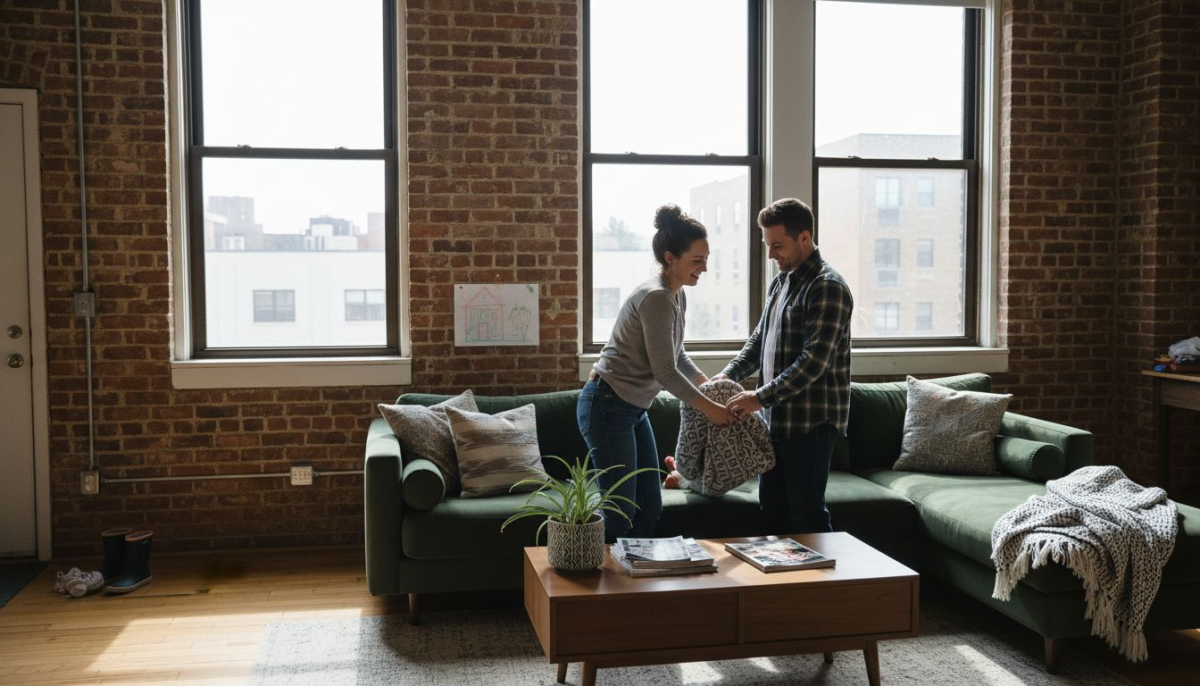
Every sophisticated home tells a story shaped by the people who live there. For discerning families in Florida and Michigan, transforming a space means more than choosing colors or furnishings. Thoughtful design creates interiors that look stunning and work seamlessly for busy gatherings, quiet evenings, and everything in between. This guide shares how a professional approach to assessing your needs, selecting materials, and refining details leads to a truly personalized sanctuary that elevates both comfort and style.
Table of Contents
- Step 1: Assess Lifestyle Needs And Design Goals
- Step 2: Select Signature Colors, Materials, And Finishes
- Step 3: Incorporate Meaningful Furniture And Décor
- Step 4: Layer Lighting For Mood And Function
- Step 5: Verify Cohesiveness And Make Final Adjustments
Quick Summary
| Key Insight | Explanation |
|---|---|
| 1. Assess Lifestyle Needs First | Understand your daily routines and family dynamics to create functional, personalized spaces. |
| 2. Select Signature Colors and Materials | Choose colors and textures that reflect your personality while ensuring durability and functionality. |
| 3. Incorporate Meaningful Furniture | Use furniture that tells your personal story and serves a functional purpose, focusing on quality over quantity. |
| 4. Layer Lighting Effectively | Design a versatile lighting strategy that enhances the mood and supports different activities. |
| 5. Verify Cohesiveness and Make Adjustments | Evaluate your design for visual balance and functional flow, making subtle refinements as needed. |
Step 1: Assess Lifestyle Needs and Design Goals
Successfully personalizing interior spaces begins with understanding your unique lifestyle requirements and design aspirations. By carefully evaluating how you live, work, and interact within your environment, you can create spaces that seamlessly blend functionality with personal expression.
Start by conducting a comprehensive assessment of your daily routines, family dynamics, and specific spatial needs. Interior designers create functional spaces by understanding precise client goals and movement patterns. This process involves mapping out key considerations:
- Family composition – Number of residents, ages, and individual requirements
- Work and recreation patterns – Home office needs, entertainment spaces, relaxation zones
- Activity flow – How people move through and utilize different areas
- Personal aesthetic preferences – Color palettes, design styles, and emotional responses to various environments
The goal is to develop a holistic understanding that transforms your interior from mere physical space into a personalized sanctuary. Your design should support comfortable daily living while reflecting your individual personality and practical requirements.
A truly personalized space isn’t just about appearance – it’s about creating an environment that actively supports your lifestyle.
Pro tip: Photograph and document your current living patterns for 1-2 weeks to uncover hidden spatial needs and movement dynamics.
Step 2: Select Signature Colors, Materials, and Finishes
Creating a truly personalized interior requires thoughtful selection of colors, materials, and finishes that reflect your unique style and functional needs. Materials and textiles significantly impact aesthetics by adding depth, character, and emotional resonance to your living spaces.
Develop your signature design language by exploring these key elements:
- Color palette – Select hues that evoke your desired emotional response and complement your lifestyle
- Texture variety – Mix materials that provide visual and tactile interest
- Durability considerations – Choose finishes that withstand your specific usage patterns
- Sustainable options – Integrate eco-friendly materials that align with your values
Consider how different materials interact to create a cohesive aesthetic. Natural stone, reclaimed wood, low-VOC paints, and textured fabrics can transform a space from ordinary to extraordinary. Pay attention to how light interacts with different surfaces and how each material contributes to the overall sensory experience.
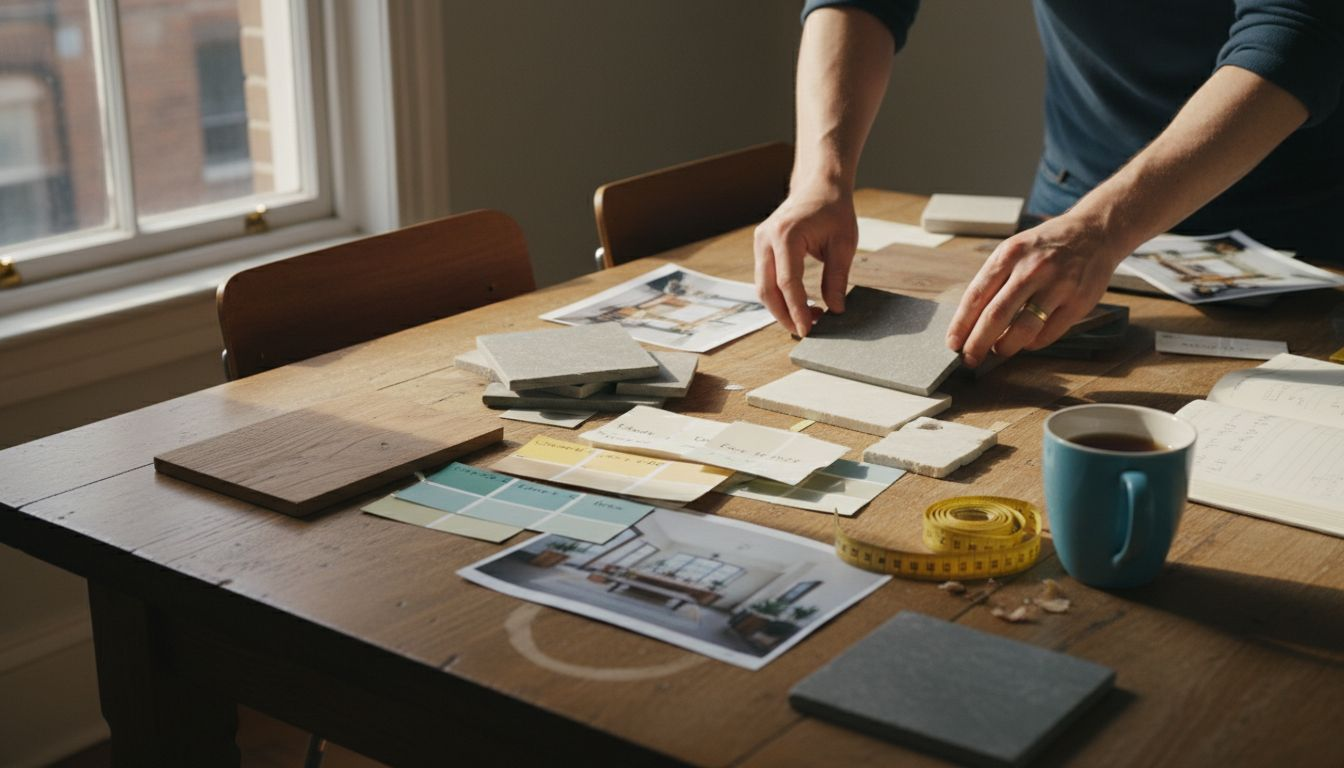
Here’s a summary of how material choices influence interior design outcomes:
| Material Type | Visual Impact | Functional Benefit | Sustainability Profile |
|---|---|---|---|
| Natural Stone | Luxurious and timeless | Highly durable, easy to clean | Often long-lasting, recyclable |
| Reclaimed Wood | Rustic character | Warmth, unique patinas | Supports eco-friendly design |
| Low-VOC Paints | Wide color versatility | Healthier indoor air quality | Reduces chemical emissions |
| Textured Fabrics | Inviting, layered look | Comfort, sound absorption | May use organic materials |
Your material selections are more than decorative choices – they’re a personal narrative told through texture, color, and craftsmanship.
Pro tip: Create a physical mood board with material samples to visualize how colors, textures, and finishes harmonize before making final selections.
Step 3: Incorporate Meaningful Furniture and Décor
Transforming your interior into a deeply personal sanctuary requires selecting furniture and décor that tell your unique story. Good furniture design complements architectural space by weaving function and emotional resonance into every carefully chosen piece.
Curate your space with intention by considering these critical elements:
- Personal narrative – Select pieces that reflect your life experiences, travels, or family history
- Functional elegance – Choose furniture that serves both aesthetic and practical purposes
- Scale and proportion – Ensure pieces harmonize with room dimensions and architectural details
- Quality over quantity – Invest in fewer, more meaningful items that spark genuine connection
Think beyond mere decoration. Each furniture piece and decorative object should contribute to the overall story of your space. Vintage family heirlooms, artwork from meaningful travels, or handcrafted pieces can transform a room from simply furnished to deeply personal.
Meaningful furniture is not just about what you see, but about the memories and emotions each piece evokes.
Pro tip: Rotate decorative items seasonally to keep your space feeling dynamic and prevent visual fatigue, while maintaining your core design narrative.
Step 4: Layer Lighting for Mood and Function
Creating a truly dynamic interior requires thoughtful lighting design that transforms spaces throughout the day. Effective indoor lighting involves layering different types of illumination to support various activities and emotional experiences.
Design a sophisticated lighting strategy through these essential approaches:
- Ambient lighting – Provide overall room illumination that creates a comfortable base level of light
- Task lighting – Add focused illumination for specific activities like reading, cooking, or working
- Accent lighting – Highlight architectural features, artwork, or create visual drama
- Natural light integration – Maximize daylight and complement artificial sources
Consider lighting as a flexible design element that can dramatically shift a room’s atmosphere. Dimmers, smart controls, and strategically placed fixtures allow you to create zones of light that adapt to different moods and functions. The right lighting can make a space feel intimate during dinner, energizing during work, and relaxing during evening downtime.
Compare the key lighting types for creating versatile spaces:
| Lighting Type | Primary Purpose | Example Applications | Impact on Ambience |
|---|---|---|---|
| Ambient | General illumination | Ceiling lights, wall sconces | Sets overall mood |
| Task | Focused performance | Desk lamps, under-cabinet lights | Enhances productivity |
| Accent | Highlight features | Spotlights, picture lights | Adds visual interest |
| Natural | Daylight integration | Windows, skylights | Boosts energy, warmth |
Lighting is the invisible designer that sculpts how we perceive and experience a space.
Pro tip: Install smart lighting systems with programmable scenes that automatically adjust color temperature and intensity throughout the day to support your natural circadian rhythms.
Step 5: Verify Cohesiveness and Make Final Adjustments
The final stage of personalizing your interior is a critical refinement process that transforms good design into exceptional design. Design process includes assessing project goals to ensure your space truly reflects your vision and functional needs.
Evaluate your design holistically through these strategic assessment techniques:
- Visual balance – Check that colors, textures, and proportions create harmonious transitions
- Functional flow – Confirm furniture placement supports natural movement and intended activities
- Emotional resonance – Assess whether the space genuinely feels like an authentic reflection of your lifestyle
- Detailing review – Examine how small elements contribute to the overall design narrative
Remember that final adjustments are about subtle refinement, not wholesale changes. Sometimes removing a single piece or repositioning a light can dramatically elevate the entire design. Trust your instincts while remaining objective about what truly serves your space’s purpose.
Design is not about perfection, but about creating an environment that feels intentionally and beautifully yours.
Pro tip: Take high-quality photographs of your space and review them objectively, as the camera can reveal design imbalances that might be less apparent in person.
Transform Your Home Into a Unique and Functional Sanctuary
Struggling to personalize your interior while keeping it practical can feel overwhelming. This article highlights the challenge of creating spaces that capture your individual style and support daily living through thoughtful assessment, signature material choices, meaningful furniture, smart lighting, and cohesive design. If you seek to balance emotional resonance with functional flow in your home, understanding these key steps is essential.
At Staci A. Meyers Interiors, we specialize in designing interiors that are both beautiful and purpose-driven. With award-winning expertise and an intentional approach rooted in Excellence by Design, Staci transforms spaces into authentic reflections of your lifestyle. Discover how our tailored solutions bring your personalization goals to life by exploring our Case Study Archives – SAM Interiors for inspiring examples of vibrant, functional interiors. Ready to start your own transformation journey? Visit us at SAM Interiors and connect with a designer who cares deeply about crafting spaces that truly belong to you. For additional insights, explore the Uncategorized Archives – SAM Interiors to see how personalized details make every project extraordinary.
Make today the day you turn your vision into reality with expert guidance and a design that fits your life perfectly.
Frequently Asked Questions
How can I assess my lifestyle needs to personalize my interior?
Start by evaluating your daily routines, family dynamics, and specific spatial needs. Document your current living patterns for 1-2 weeks to uncover hidden requirements and movement dynamics, which will help tailor your space to fit your lifestyle.
What factors should I consider when selecting colors and materials for my interior?
Consider your desired emotional response, durability, and sustainability of the materials. Curate a color palette and textures that reflect your personal style while ensuring they meet the practical demands of your living space.
How do I choose meaningful furniture to enhance my interior design?
Select furniture that tells your unique story by reflecting personal experiences or family history. Focus on quality over quantity, choosing fewer pieces that serve both functional and aesthetic purposes to create a cohesive environment.
What types of lighting should I incorporate to personalize my interior?
Layer different lighting types, such as ambient, task, and accent lighting, to create a versatile atmosphere. By using smart lighting controls, you can adjust the intensity and color temperature to match the mood of each space throughout the day.
How can I verify that my interior design is cohesive and functional?
Evaluate your design by checking for visual balance, functional flow, and emotional resonance. Make final adjustments by repositioning pieces or removing items to enhance the overall harmony and intentionality of the space.
What is the importance of documenting my space during the personalization process?
Documenting your space allows you to observe details and assess design elements objectively. Take high-quality photographs to identify imbalances and refine your interior design to ensure it meets your unique needs.
Recommended