
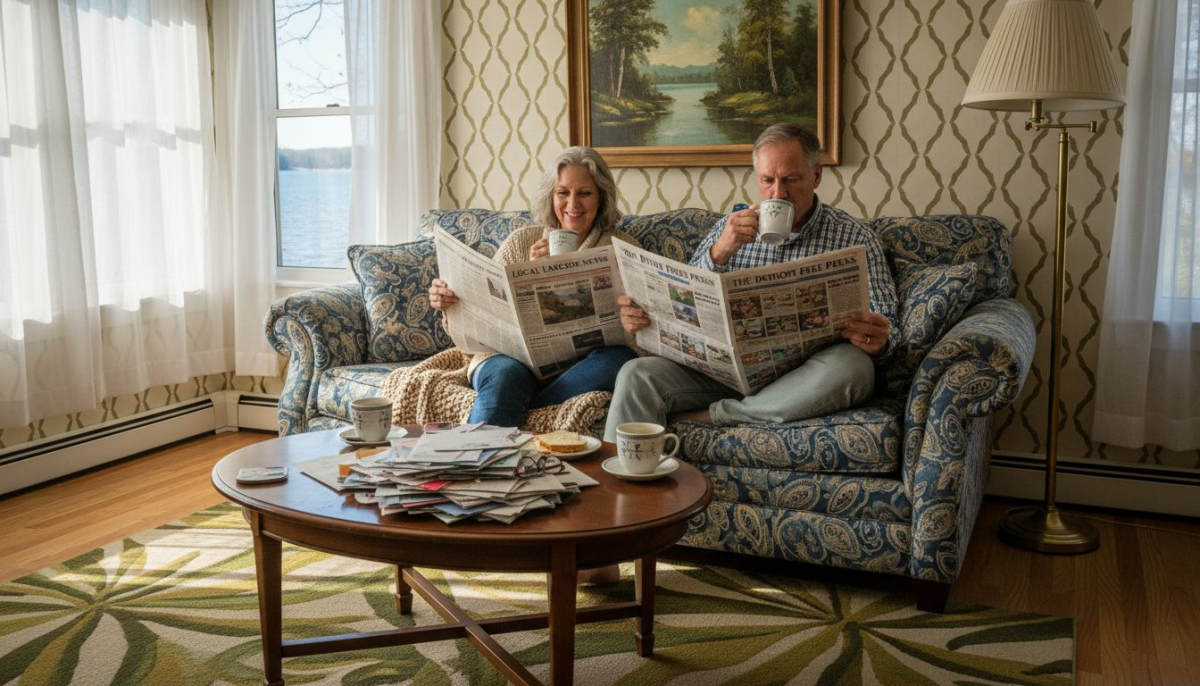
Walking into a home along the Michigan shoreline, the interplay of color, shape, and subtle repetition often reveals much about its residents’ style and sensibilities. For those who value both refined aesthetics and practical comfort, understanding how to use pattern as a design language becomes essential. Patterns do far more than decorate walls or furnishings—they guide mood, shape spatial flow, and bring a sense of harmony that uniquely reflects the homeowner’s vision and the beauty of Michigan’s natural landscape.
Table of Contents
- Defining Pattern In Interior Design
- Types Of Patterns And Their Effects
- Achieving Harmony And Visual Balance
- Scale, Placement, And Layering Strategies
- Common Mistakes And Expert Solutions
Key Takeaways
| Point | Details |
|---|---|
| Understanding Patterns | Patterns are essential for visual communication in interior design, creating rhythm and spatial relationships while influencing emotional experiences. |
| Types of Patterns | Different pattern types—geometric, organic, floral, architectural, and cultural—each evoke unique psychological responses and can dramatically transform spaces. |
| Achieving Balance | Successful interior design relies on visual harmony, which can be achieved through weight distribution, color coordination, and effective use of negative space. |
| Common Mistakes | Avoid overcrowding and scale misalignment by ensuring that all patterns work cohesively and enhance the overall usability of the space. |
Defining Pattern in Interior Design
In the world of interior design, pattern represents a fundamental visual language that transforms spaces from ordinary to extraordinary. Derived from archetypal design solutions, patterns are intentional, repeatable visual arrangements that communicate aesthetic and functional narratives within living environments.
At its core, pattern functions as a sophisticated design tool that goes far beyond simple decoration. These compositional elements create visual rhythm, establish spatial relationships, and communicate design intentions through strategic repetition and variation. Designers utilize patterns to:
- Establish visual hierarchy
- Create emotional resonance
- Define spatial boundaries
- Control visual perception
- Introduce textural complexity
Understanding pattern requires recognizing its multidimensional nature. Patterns can emerge through various design elements including color, texture, shape, and spatial arrangement. Interior design research suggests that patterns are not merely aesthetic choices but powerful communication tools that influence human perception and experience.
Patterns are the visual grammar through which designers articulate spatial stories, transforming blank canvases into meaningful environments.
Professional designers approach pattern as a nuanced language, carefully selecting and integrating repeated visual motifs that harmonize with architectural context, personal style, and functional requirements.
Pro tip: When incorporating patterns, consider the visual weight and scale of your chosen design elements to maintain balanced, sophisticated interior compositions.
Types of Patterns and Their Effects
Interior design patterns represent a rich tapestry of visual expressions, each bringing unique psychological and aesthetic qualities to living spaces. Artistic design principles reveal that patterns can be categorized into distinct types that dramatically transform interior environments through strategic visual communication.
The primary categories of patterns in interior design include:
- Geometric Patterns: Sharp, structured designs using mathematical shapes like triangles, squares, and hexagons
- Organic Patterns: Flowing, nature-inspired motifs mimicking biological forms and natural textures
- Floral Patterns: Designs featuring botanical elements, ranging from delicate botanical prints to bold botanical illustrations
- Architectural Patterns: Repeating structural elements that reflect architectural details and design philosophies
- Cultural Patterns: Motifs representing specific cultural traditions, historical narratives, and artistic heritage
Each pattern type carries unique psychological implications. Design motifs and patterns serve more than decorative purposes, actively influencing spatial perception, emotional responses, and the overall sensory experience of an interior environment.
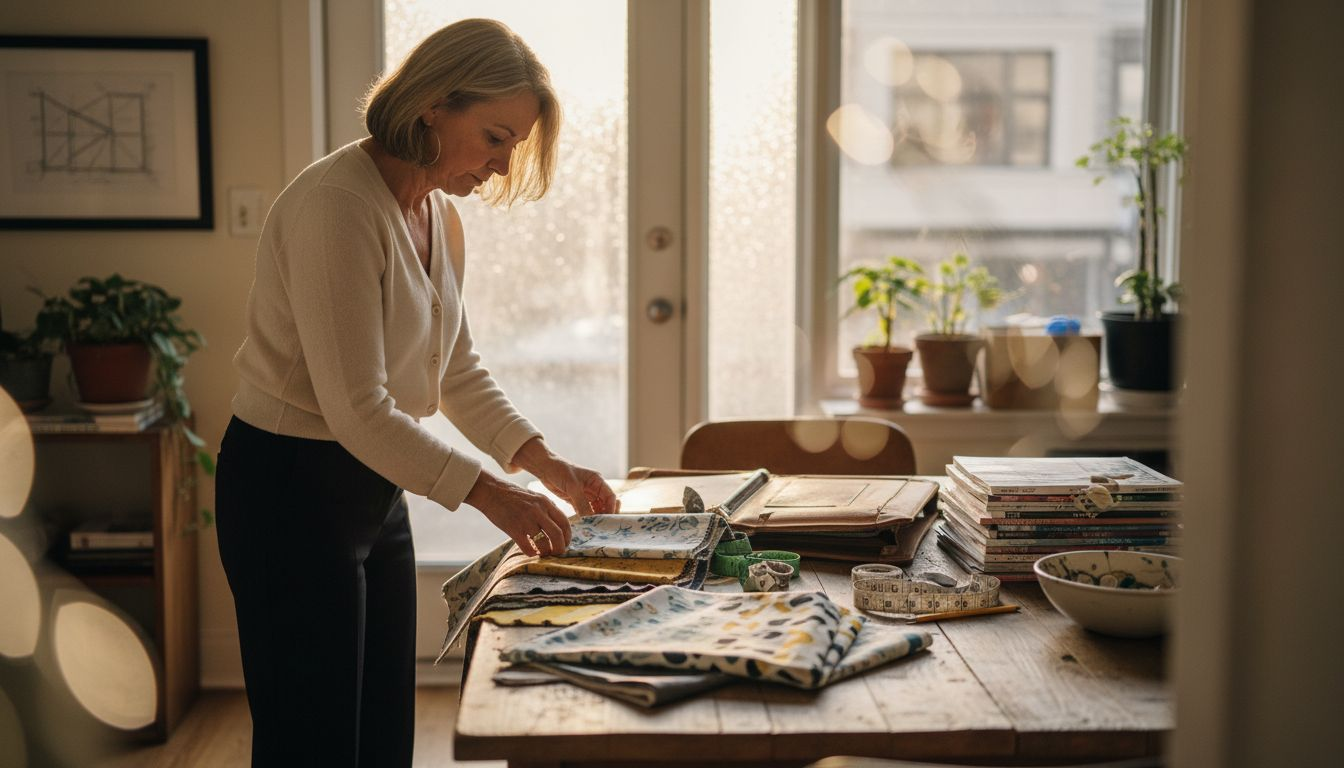
Here’s a comparison of primary pattern types and their typical impact on interior design:
| Pattern Type | Visual Impact | Typical Mood Created | Best Use Case |
|---|---|---|---|
| Geometric | Creates structure | Organized, modern | Contemporary spaces |
| Organic | Adds fluidity | Relaxed, natural | Nature-inspired rooms |
| Floral | Brings softness | Fresh, uplifting | Living rooms, bedrooms |
| Architectural | Highlights details | Sophisticated, formal | Entryways, hallways |
| Cultural | Infuses identity | Unique, expressive | Feature walls, accents |
The power of pattern lies not in its repetition, but in its ability to tell a story and evoke an emotional landscape within a space.
Geometric patterns, for instance, can create a sense of order and precision, while organic patterns introduce fluidity and natural harmony. Designers strategically deploy these patterns to manipulate visual perception, establish spatial rhythm, and communicate design narratives.
Pro tip: Mix pattern scales and intensities to create visual depth and prevent monotony in your interior design compositions.
Achieving Harmony and Visual Balance
Achieving visual harmony in interior design requires a sophisticated understanding of spatial relationships and design principles. Design composition techniques reveal that balance is not about perfect symmetry, but about creating a sense of visual equilibrium that feels natural and intentional.
Designers employ several key strategies to establish harmonious spaces:
- Weight Distribution: Balancing visual elements across different areas of a room
- Color Coordination: Creating cohesive color palettes that flow seamlessly
- Scale and Proportion: Matching furniture and decor elements to room dimensions
- Rhythm and Repetition: Establishing visual connections through repeated design elements
- Negative Space: Intentionally leaving areas uncluttered to enhance overall composition
Interior design measurements play a crucial role in creating balanced environments. Professional designers understand that harmony emerges from carefully calculated proportions, thoughtful material selection, and strategic spatial arrangements.
The following table summarizes practical strategies for achieving design harmony:
| Strategy | How It Works | Key Result |
|---|---|---|
| Weight Distribution | Balances objects visually | Enhances room comfort |
| Color Coordination | Uses unified palettes | Creates flow and unity |
| Negative Space | Leaves purposeful gaps | Boosts clarity and rest |
| Scale & Proportion | Fits items to space | Prevents overcrowding |
True design harmony transcends visual appeal, creating spaces that feel intuitively comfortable and emotionally resonant.
Michigan homes often reflect a unique design philosophy that blends natural landscape influences with sophisticated interior techniques. The state’s diverse architectural heritage provides a rich canvas for exploring balance, from modernist lakeside retreats to traditional urban residences.
Pro tip: Use a visual triangle technique when arranging decor to create instant balance and guide the viewer’s eye through the space.
Scale, Placement, and Layering Strategies
Spatial design transforms interiors through meticulous attention to scale, placement, and layering techniques. Space planning strategies reveal that successful interior design goes far beyond aesthetic choices, requiring a sophisticated understanding of how elements interact within a living environment.
Key considerations for effective spatial design include:
- Proportion Mapping: Matching furniture and decor to room dimensions
- Visual Hierarchy: Creating focal points and guiding viewer’s eye movement
- Texture Layering: Combining different material weights and visual textures
- Functional Zoning: Defining areas within open floor plans
- Vertical Integration: Utilizing wall spaces and height variations
Design lessons from Frank Lloyd Wright demonstrate that holistic interior design considers every element as an interconnected system. Successful layering creates depth without visual chaos, allowing each design element to breathe and contribute to the overall narrative of the space.
Masterful design is not about filling space, but about creating meaningful relationships between elements.
Michigan’s diverse architectural landscape – from urban lofts to lakeside cottages – provides unique opportunities for applying nuanced scale and placement strategies. Designers must consider local architectural heritage, natural light patterns, and regional aesthetic preferences when developing interior compositions.
Pro tip: Create visual balance by using the rule of thirds when arranging furniture and decor, ensuring no single area feels overwhelmingly heavy or sparse.
Common Mistakes and Expert Solutions
Pattern implementation in interior design demands precision and strategic understanding. Design education challenges reveal that many designers struggle with translating theoretical knowledge into practical, contextually appropriate solutions for Michigan homes.
Common design mistakes include:
- Overcrowding: Adding too many patterns that compete for visual attention
- Scale Misalignment: Using patterns that don’t match room proportions
- Contextual Disconnect: Ignoring regional architectural heritage
- Color Incompatibility: Selecting patterns with clashing color palettes
- Functional Neglect: Prioritizing aesthetics over practical usability
Professional design resources emphasize the importance of continuous learning and cross-disciplinary collaboration to mitigate design errors. Expert designers approach pattern integration as a nuanced problem-solving process, considering how visual elements interact with spatial dynamics and user experience.
Successful design is not about avoiding mistakes, but about learning to transform potential errors into intentional design choices.
Michigan’s diverse interior landscapes – from urban lofts to lakeside cottages – require designers to be particularly adaptable, understanding how patterns can either enhance or disrupt the unique character of different living environments.
Pro tip: Always create a digital or physical mood board to test pattern interactions before final implementation, helping you visualize potential conflicts and harmonies.
Elevate Your Michigan Home With Thoughtful Pattern Integration
Navigating the challenges of pattern selection can feel overwhelming when aiming to transform your Michigan home into a harmonious and visually compelling space. This article highlights key concerns such as achieving the right scale, balancing pattern repetition, and honoring regional architectural character—all essential to preventing overcrowding and ensuring your interior design tells a meaningful story.
Unlock the power of pattern with expert guidance from Staci A. Meyers, an International Design Award winner renowned for her ability to blend artistry and function seamlessly. By exploring our Case Study Archives – SAM Interiors, you gain exclusive insights into real projects where pattern was masterfully used to create emotional resonance and spatial harmony. Let Staci’s Excellence by Design philosophy help you avoid common pitfalls and achieve sophisticated visual balance through strategic layering and placement.
Ready to bring your vision to life with purposeful patterns that reflect your lifestyle and Michigan’s unique charm Connect with us today at SAM Interiors and take the first step toward a beautifully curated environment. Explore more about our approach and past successes in the Uncategorized Archives – SAM Interiors to inspire your next design journey.
Frequently Asked Questions
What is the importance of patterns in interior design?
Patterns play a crucial role in interior design as they establish visual hierarchy, create emotional resonance, and define spatial boundaries. They help in transforming spaces by adding depth, texture, and rhythm.
What are the different types of patterns used in home interiors?
Common types of patterns include geometric, organic, floral, architectural, and cultural patterns. Each type contributes unique aesthetic and emotional qualities to a living space, influencing its overall design narrative.
How can I achieve visual harmony when using patterns in my home?
Visual harmony can be achieved by balancing visual elements, coordinating colors, and considering the scale of patterns. Techniques such as rhythm and repetition, as well as using negative space, can enhance the overall composition and create a comfortable environment.
What are some common mistakes when incorporating patterns in interior design?
Common mistakes include overcrowding a space with too many competing patterns, misaligning pattern scale with room proportions, and neglecting to consider color compatibility. Being mindful of these issues can lead to more intentional and effective design choices.
Recommended