
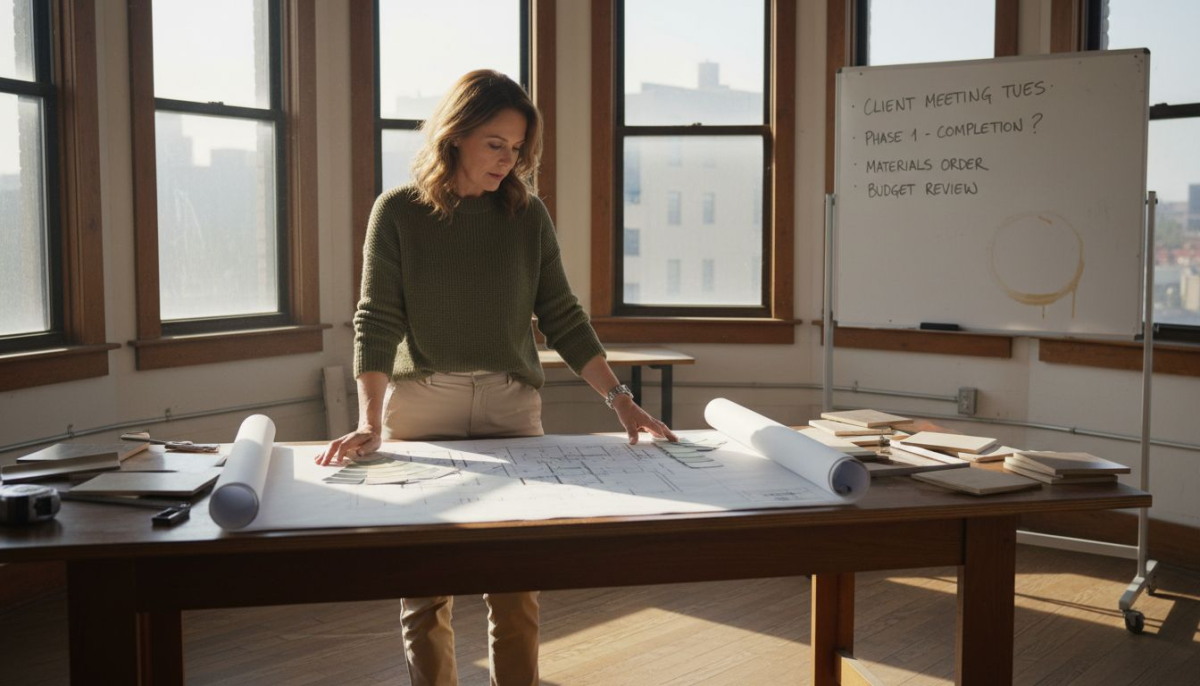
Redesigning a luxury home in Michigan or Florida often demands more than just an eye for style. For discerning homeowners, balancing sophisticated taste with flawless execution calls for a trusted approach that unites artistry and practicality at every step. Designer project management offers a pathway to not only honor your creative vision but also safeguard comfort, value, and structural integrity as your new space comes to life.
Table of Contents
- Defining Designer Project Management In Interiors
- Core Principles Guiding Project Success
- Types Of Designer Project Management Services
- Roles And Responsibilities Of Design Teams
- Common Challenges And How To Avoid Them
Key Takeaways
| Point | Details |
|---|---|
| Designer Project Management | Integrates creative and practical aspects of design to transform residential spaces effectively. |
| Core Principles | Embrace proactive stakeholder engagement and continuous value measurement to enhance project success. |
| Service Types | Include Full-Service Design Management, Consultation-Based Services, and Phased Implementation Services tailored to client needs. |
| Common Challenges | Anticipate issues like scope creep and communication breakdowns through robust planning and clear protocols. |
Defining Designer Project Management in Interiors
Designer project management represents a sophisticated approach to transforming residential spaces through strategic planning, creative vision, and meticulous execution. Unlike traditional project management, this discipline integrates artistic sensibility with practical implementation, ensuring that every design element serves both aesthetic and functional purposes.
At its core, designer project management encompasses several critical components:
- Comprehensive space analysis and client requirement mapping
- Strategic design conceptualization
- Precise budget and timeline coordination
- Vendor and contractor relationship management
- Quality control and design integrity preservation
Professional interior designers like those at SAM Interiors understand that successful project management goes beyond mere decoration. The role of an interior designer involves creating holistic environments that reflect personal narratives while maintaining structural and aesthetic excellence.
The process requires exceptional communication skills, technical knowledge, and an ability to translate abstract client desires into tangible design solutions. Designers must balance creative expression with pragmatic constraints, managing everything from material selection to installation logistics.
Designer project management transforms spaces by harmonizing vision, functionality, and personal expression into a seamless design experience.
Pro tip: Always establish clear communication protocols and documented expectations with your design team to ensure smooth project progression and minimize potential misunderstandings.
Core Principles Guiding Project Success
Successful designer project management transcends traditional methodologies, embracing a holistic approach that balances creative vision with strategic execution. Project management principles provide a robust framework for transforming complex design challenges into compelling residential experiences.
The core principles driving project success center on several fundamental strategies:
- Proactive stakeholder engagement
- Continuous value delivery measurement
- Dynamic adaptability to project evolution
- Ethical and transparent leadership
- Integrated systems thinking
- Collaborative team coordination
These principles demand more than technical proficiency. Strategic design management requires a nuanced understanding of human dynamics, technological capabilities, and aesthetic potential. Interior designers must orchestrate multiple complex variables while maintaining a singular vision that resonates with client expectations.
Professional project management in design emphasizes not just completing tasks, but creating meaningful transformations. This means going beyond traditional metrics of time and budget to deliver spaces that genuinely enhance lifestyle and emotional well-being.
Successful design projects are not measured by completion, but by the lasting impact they create in people’s lives.
Pro tip: Develop a comprehensive communication matrix that clearly defines roles, expectations, and decision-making protocols to streamline project workflow and minimize potential misunderstandings.
Types of Designer Project Management Services
Project management services in interior design represent sophisticated approaches to transforming residential spaces through strategic planning and precise execution. These services go far beyond traditional design coordination, offering comprehensive solutions tailored to unique client requirements and project complexity.
Designer project management services can be broadly categorized into several specialized types:
- Full-Service Design Management
- Comprehensive project oversight
- End-to-end design and implementation
- Complete budget and timeline control
- Consultation-Based Services
- Strategic guidance and expert advice
- Selective intervention points
- Performance optimization recommendations
- Phased Implementation Services
- Modular project approach
- Staged design and execution
- Flexible adaptation to evolving client needs
Traditional methodologies focus on structured, linear project progression with predefined milestones and detailed upfront planning. These services excel in well-defined projects with clear, consistent requirements. Conversely, agile design management offers dynamic, iterative approaches that accommodate evolving design visions and accommodate real-time client feedback.
Professional designers recognize that each project demands a unique management strategy. The ability to seamlessly transition between methodological approaches while maintaining design integrity represents the hallmark of exceptional project management.
Here’s a comparison of traditional vs. agile project management approaches in interior design:
| Attribute | Traditional Approach | Agile Approach |
|---|---|---|
| Planning Style | Detailed, upfront | Iterative, flexible |
| Client Involvement | Primarily at milestones | Ongoing, throughout the process |
| Adaptability | Limited to initial scope | Easily accommodates changes |
| Feedback Integration | Periodic, post-phase | Continuous, real-time |
| Best For | Fixed, well-defined projects | Evolving, creative projects |
Design project management is an art of balancing creative vision with precise operational execution.
Pro tip: Select a project management approach that aligns closely with your specific design goals, allowing flexibility for creative exploration while maintaining structural accountability.
Roles and Responsibilities of Design Teams
Design team roles and responsibilities form the critical backbone of successful interior design projects, creating a sophisticated ecosystem of collaborative expertise and strategic execution. Each team member plays a unique and interdependent role in transforming residential spaces from conceptual vision to tangible reality.
Key roles within a comprehensive design team typically include:
- Project Manager
- Overall project coordination
- Timeline and budget management
- Stakeholder communication
- Lead Designer
- Creative vision development
- Design concept refinement
- Aesthetic direction setting
- Technical Coordinator
- Architectural specification verification
- Material and implementation feasibility assessment
- Technical design integration
- Client Relationship Specialist
- Client requirement interpretation
- Ongoing communication management
- Expectation alignment
Collaborative governance demands that these roles work synergistically, with each team member understanding their specific responsibilities while maintaining a holistic perspective. The most successful design teams operate with transparent communication, mutual respect, and a shared commitment to transforming client visions into remarkable living environments.
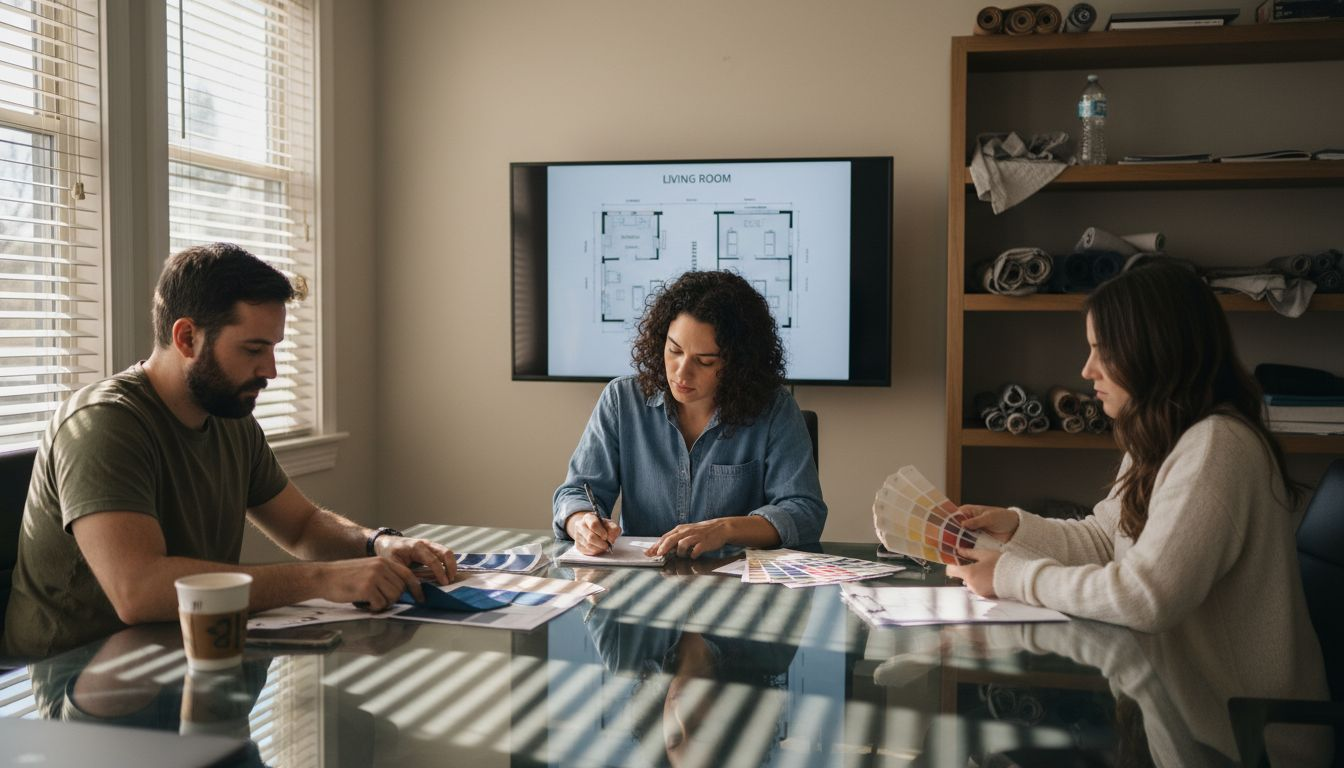
Professional design teams distinguish themselves through their ability to navigate complex interpersonal and technical challenges, balancing creative innovation with precise operational execution. Their collective expertise transforms abstract design concepts into tangible, functional, and aesthetically compelling spaces.
The following table summarizes key roles on a design project and their main strengths:
| Team Role | Primary Strength | Contribution to Project |
|---|---|---|
| Project Manager | Organizational expertise | Ensures deadlines and budgets are met |
| Lead Designer | Creative direction | Defines the project’s visual identity |
| Technical Coordinator | Technical precision | Validates structural feasibility |
| Client Specialist | Communication skills | Engages clients and manages expectations |
Exceptional design teams are not just collections of individuals, but integrated ecosystems of creative and technical expertise.
Pro tip: Establish clear communication protocols and defined role boundaries early in the project to minimize potential conflicts and optimize team performance.
Common Challenges and How to Avoid Them
Project management challenges in interior design demand strategic foresight and proactive problem-solving. Design projects are intricate ecosystems where complex variables can quickly derail even the most meticulously planned initiatives.
The most prevalent challenges in designer project management include:
- Scope Creep
- Unexpected client requests
- Constant design modifications
- Budget and timeline disruptions
- Communication Breakdowns
- Misaligned expectations
- Unclear design directives
- Stakeholder miscommunication
- Resource Management
- Material procurement challenges
- Contractor coordination issues
- Budget allocation complexities
- Risk Management
- Unforeseen structural limitations
- Design implementation obstacles
- Compliance and regulatory hurdles
Strategic mitigation requires a multifaceted approach that anticipates potential complications before they emerge. Successful design teams develop robust communication protocols, implement flexible yet structured project management frameworks, and maintain continuous stakeholder engagement to navigate potential challenges.
Professional designers recognize that proactive problem prevention is far more efficient than reactive crisis management. This involves creating comprehensive documentation, establishing clear decision-making hierarchies, and maintaining transparent communication channels throughout the project lifecycle.
Effective project management transforms potential obstacles into opportunities for innovative design solutions.
Pro tip: Develop a comprehensive risk assessment matrix that identifies potential challenges early and creates predefined response strategies to minimize project disruptions.
Elevate Your Home Vision with Expert Designer Project Management
Transforming your residential space requires more than just good ideas. It calls for mastering designer project management essentials like scope control, seamless communication, and adaptive planning. If you find yourself struggling with scope creep, unclear expectations, or coordination challenges, you are not alone. These common pain points can stall progress and dilute your design’s true potential.
At SAM Interiors, Staci A. Meyers embodies the philosophy of Excellence by Design by combining artistic vision with meticulous project oversight. With her award-winning expertise, she ensures your project stays on track, delivering spaces that are both beautiful and functional. Whether you prefer a full-service approach or strategic consultation, our team is ready to guide you through every phase with clarity and confidence.
Explore inspiring transformations in our Case Study Archives – SAM Interiors and see how effective designer project management turns challenges into opportunities. Dive deeper into the philosophy behind our work on our Archives – SAM Interiors to understand how intention and artistry create lasting impact.
Frequently Asked Questions
What is designer project management in interiors?
Designer project management in interiors is an approach that combines strategic planning, creative vision, and meticulous execution to transform residential spaces. It ensures every design element is both aesthetically pleasing and functional.
What are the core principles of successful designer project management?
Core principles include proactive stakeholder engagement, continuous value delivery measurement, adaptability to project changes, ethical leadership, integrated systems thinking, and collaborative team coordination.
How do different project management approaches impact interior design projects?
Traditional project management focuses on structured, linear processes, while agile approaches are dynamic and allow for real-time feedback and flexibility. The choice between these methods affects planning style, client involvement, and adaptability throughout the project’s lifecycle.
What roles are essential in a design team for successful project execution?
Key roles include a project manager for overall coordination, a lead designer for creative vision, a technical coordinator for ensuring feasibility, and a client relationship specialist for managing communication and expectations.