
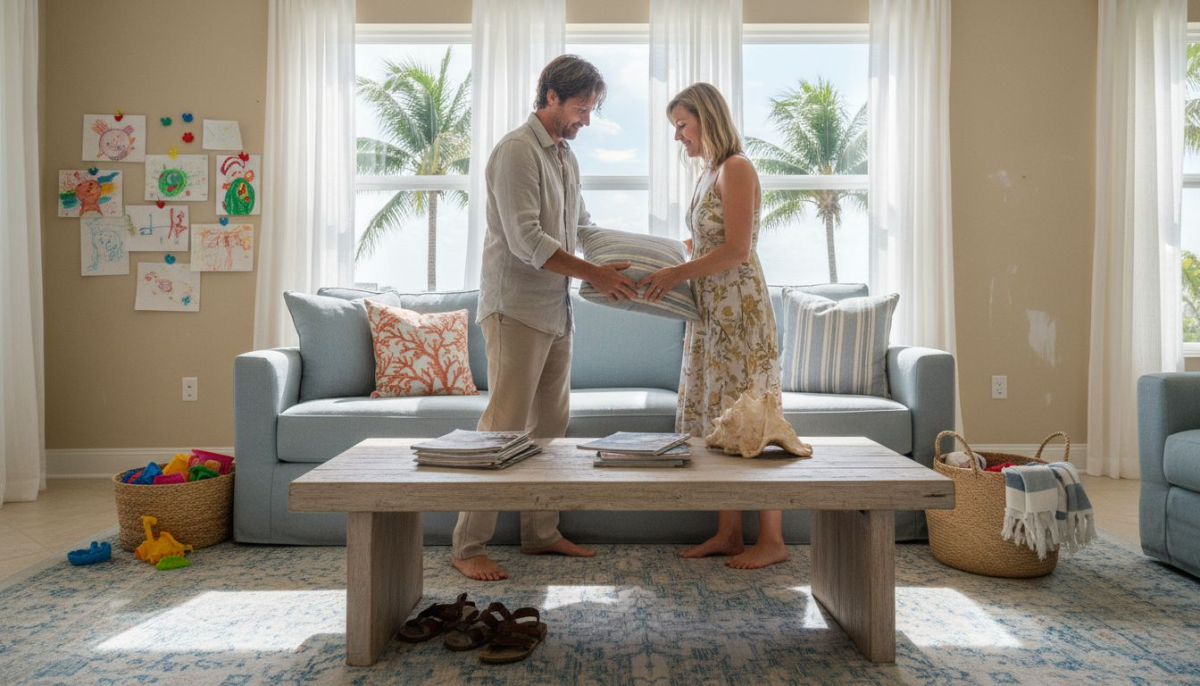
Transforming your Florida coastal home into a space that truly reflects your personality and regional character can feel overwhelming. Deciding how to blend local inspiration, meaningful art, and practical design often feels like you’re juggling multiple styles without a clear starting point. The right approach will help you build a home that feels both authentic and deeply personal.
You’ll discover actionable ways to use color theory, arrange meaningful art, and draw from coastal elements for genuine character. These insights will guide you step by step toward rooms that nurture, inspire, and tell your story. Get ready to unlock techniques that will help every corner of your home reflect your passion, heritage, and unique sense of style.
Table of Contents
- 1. Start With A Signature Color Palette That Inspires
- 2. Incorporate Meaningful Art And Custom Pieces
- 3. Blend Local Coastal Elements For Character
- 4. Prioritize Layout For Both Function And Flow
- 5. Mix Textures And Materials For Depth
- 6. Use Statement Lighting To Set The Mood
- 7. Personalize Details With Heirlooms Or Finds
Quick Summary
| Key Insight | Explanation |
|---|---|
| 1. Establish a Cohesive Color Palette | A well-planned color palette sets the emotional tone of your home. Use the 60-30-10 rule to balance dominant, secondary, and accent colors for harmony. |
| 2. Incorporate Meaningful Art and Custom Pieces | Select art and décor that reflect your identity and heritage. Personal pieces enrich your space and tell your unique story. |
| 3. Blend Local Coastal Elements | Use natural materials and colors inspired by your coastal surroundings. Authentic regional design creates a genuine connection to your environment. |
| 4. Prioritize Layout for Function and Flow | Arrange furniture to enhance movement and usability. Thoughtful layout improves the overall enjoyment and functionality of your home. |
| 5. Mix Textures and Materials | Layer different textures to create depth and warmth in your space. Combining varying materials adds visual interest and comfort. |
1. Start With a Signature Color Palette That Inspires
Your home’s color palette is the foundation upon which every other design decision rests. Before selecting furniture, textures, or accessories, establishing a cohesive color story sets the visual tone for your entire space and creates the emotional atmosphere you want to experience daily. A well-considered palette transforms a house into a personal sanctuary that reflects your lifestyle and sensibilities.
Color theory is far more than aesthetic preference. Understanding how colors interact psychologically shapes how you feel in your own home. Blues and greens evoke calm and tranquility, making them excellent for bedrooms or relaxation areas. Warm tones like terracotta, sand, and coral energize spaces and encourage connection, perfect for entertaining areas that define coastal living. Color psychology research demonstrates that strategic color harmony creates visually cohesive spaces that inspire and resonate with your personal identity, which is exactly what distinguishes truly personalized home décor. When building your signature palette, think in layers: select one dominant color that covers approximately 60 percent of your room, a secondary color at about 30 percent, and accent colors comprising the remaining 10 percent. This ratio maintains visual interest without overwhelming the space.
Designing a signature palette requires more than grabbing colors you like individually. Harmony comes from understanding color relationships. Analogous schemes (colors next to each other on the color wheel) create serene, unified spaces. Complementary schemes (opposite colors) deliver drama and sophistication. For coastal Florida homes, consider drawing inspiration from your natural surroundings: soft whites reminiscent of sand, seafoam greens reflecting shallow waters, driftwood grays, and the warm undertones of weathered wood. These organic references create spaces that feel authentic to your environment while maintaining timeless appeal. Test your palette in your actual space at different times of day, as natural light exposure significantly alters how colors appear. A tone that reads sophisticated at noon might feel different in evening light.
Pro tip: Start with one room you love spending time in, then refine your palette through living with it for two weeks before committing to larger applications or additional rooms.
2. Incorporate Meaningful Art and Custom Pieces
The art and custom pieces you display in your home are far more than decoration. They form a visual narrative that tells your story, honors your heritage, and reflects what truly matters to you. When you surround yourself with pieces that hold personal significance rather than generic wall décor, your space transforms from a beautiful setting into an authentic expression of who you are.
Meaningful art serves a dual purpose in personalized home décor. On one level, it provides visual interest and anchors a room’s design scheme. On a deeper level, art that explores identity and cultural heritage connects you to your values and memories every time you see it. Custom pieces, whether commissioned paintings, family photographs displayed thoughtfully, or sculptural elements that reflect your passions, add layers of emotional resonance that mass-produced items simply cannot achieve. Consider incorporating works from local Florida artists who capture the essence of coastal living, or pieces that commemorate meaningful moments in your life. A painting of a beloved family vacation spot, a custom framed collection of meaningful objects, or an original artwork commissioned by an artist whose vision aligns with yours transforms your walls into personal monuments.
The arrangement and context of art matter as much as the pieces themselves. Incorporating meaningful art alongside natural materials and organic textures creates spaces that feel nurturing and inviting while stimulating multiple senses. In a coastal Florida home, a striking piece of contemporary art positioned against soft linen upholstery and natural wood elements creates visual harmony while celebrating individual expression. Mix scales and mediums to keep things dynamic. A large statement piece commands attention, while smaller curated collections tell their own stories. Don’t feel pressured to fill every wall. Strategic placement of fewer, more intentional pieces often creates more impact than crowding your space with too many options.
Pro tip: Select one room where you’ll display your most meaningful pieces first, then let those anchor pieces guide your color palette and design decisions for the rest of your home.
3. Blend Local Coastal Elements for Character
Florida’s coastal environment offers a rich palette of natural inspiration that transforms generic interiors into homes with authentic regional character. Rather than importing design trends from landlocked regions, blending elements native to your coastal surroundings creates spaces that feel genuinely rooted in place and authentically connected to your environment. When you draw from the ocean, shoreline, and local architectural heritage, your home tells the story of where you actually live.
The most compelling coastal homes incorporate natural materials and spatial patterns that echo their surroundings. Think weathered wood with its silvery patina, limestone and coral stone reminiscent of Florida’s geological foundation, and soft color palettes inspired by sand, sea glass, and driftwood. Marine landscapes and coastal cultural elements heavily influence authentic regional character, creating spaces that resonate with vitality and cultural heritage. Beyond raw materials, traditional Florida design principles offer surprising contemporary relevance. Strategic window placement, native plant shading, and breezeways were developed over generations to work with Florida’s climate, not against it. These passive cooling strategies add both character and sustainability to modern coastal homes, proving that authentic regional design inherently functions better in its native environment. Large operable windows that capture cross breezes, deep overhangs that provide shade, and outdoor living spaces connected to interior rooms all create layered, livable interiors while reducing energy demands.
Applying coastal elements requires thoughtful curation rather than literal replication. A fireplace mantel decorated with authentic pieces you’ve collected from local beaches tells a more compelling story than manufactured coastal décor. Native plantings visible through windows bring the landscape indoors without requiring artificial botanicals. Locally sourced architectural elements like reclaimed wood beams or handmade tiles from regional artisans add texture and support your community. The goal is creating spaces where natural light dances across authentic materials, where ocean breezes flow through intentional architectural features, and where every element connects you to the place you’ve chosen to call home.
Pro tip: Visit local salvage yards, artisan studios, and architectural antique shops to source one or two authentic regional pieces that become conversation starters and genuine anchors for your coastal aesthetic.
4. Prioritize Layout for Both Function and Flow
A beautifully decorated room that forces you to navigate around furniture or creates awkward traffic patterns will never feel truly personalized, no matter how perfect the colors or accessories are. Smart layout design balances aesthetics with the practical reality of how you actually live in your space. When rooms flow naturally and furniture placement supports daily activities, your home becomes a pleasure to inhabit rather than a constant source of minor frustrations.
Thinking strategically about layout means understanding how people move through spaces and which activities happen where. Effective layout prioritizes function and flow by organizing spaces to optimize readability and navigation, creating seamless movement between rooms and activities. In a Florida home, this might mean positioning your main seating area to capture ocean views without blocking the path to the kitchen, or arranging a dining space that allows guests to circulate comfortably without bumping into chairs. Consider sight lines from your entryway through each room, ensuring visual connections that make spaces feel larger and more inviting. Group related activities together logically. A coffee station near the kitchen but visible from a comfortable seating area means you can prepare your morning routine without isolating yourself from family or guests. A reading nook positioned near natural light with storage for books nearby creates a functional retreat that actually supports that activity.
Layout strategies that organize space logically enhance both aesthetic and practical enjoyment of personalized interiors. Walk through your space at different times of day and notice where natural light shifts, where breezes flow through open windows, and where you instinctively want to linger. These observations reveal opportunities to arrange furniture in harmony with your home’s natural advantages rather than fighting against them. Leave adequate negative space around key pieces so rooms don’t feel cramped, and ensure pathways remain clear and intuitive. The most luxurious homes often feel spacious not because they’re large, but because thoughtful layout creates a sense of calm and ease in every movement through the space.
Pro tip: Before committing to furniture placement, use painter’s tape or kraft paper to outline furniture footprints on your floor, then live with the layout for a few days to ensure it truly works for your daily rhythm.
5. Mix Textures and Materials for Depth
Rooms filled with only smooth surfaces and flat finishes, regardless of how elegant, feel sterile and one dimensional. The most inviting, personalized spaces engage multiple senses by layering contrasting textures and materials that create visual richness and tactile warmth. When you deliberately combine rough with smooth, soft with structured, and matte with reflective surfaces, your home gains sophistication and soul that flat design simply cannot achieve.
Textures and materials are critical to adding visual and tactile depth to interiors, transforming ordinary rooms into spaces that feel layered and inviting. Think about how a linen sofa gains presence when paired with a chunky wool throw and silk pillows in varying weights. Natural wood flooring becomes more interesting when topped with a woven jute rug anchoring a seating area, then softened with plush area rugs in a secondary zone. Rough stone fireplace surrounds contrast beautifully with smooth plaster walls, and metallic accents like brass or aged iron provide reflective punctuation against matte finishes. In coastal Florida homes, rough limestone or coral stone elements pair gorgeously with soft natural fibers, weathered wood with polished concrete, and sun-bleached driftwood with smooth ceramic or glass. The interplay of these contrasts creates depth that makes spaces feel intentional and curated rather than flat or generic.
Building texture layering requires a strategic approach rather than random mixing. Start with small accent pieces and gradually blend patterns and textures of varying scales, allowing materials like velvet, silk, and cotton to balance softness with structure. Begin with your largest pieces, such as upholstered furniture or area rugs, establishing a foundational texture. Layer in secondary materials through pillows, throws, and artwork. Add refined details through smaller accessories, metallics, or natural elements like branches, stones, or shells gathered from your local environment. The key is ensuring enough variety to maintain visual interest while maintaining harmony through your color palette and the quality of materials themselves. Premium, natural materials create cohesion even when textures contrast dramatically. Your eye reads an intentional design when textures work within a unified aesthetic rather than feeling like random accumulation.
Pro tip: Touch every material you’re considering bringing into your space before committing to it, ensuring tactile comfort matches visual appeal since you’ll interact with these textures daily.
6. Use Statement Lighting to Set the Mood
Lighting is often an afterthought in home design, treated as a purely functional element rather than a powerful tool for creating atmosphere. Yet the quality, color, and intensity of light fundamentally shapes how you feel in a space and how that space functions throughout the day. Statement lighting fixtures do double duty, serving as sculptural focal points while actively influencing your emotional state and daily wellbeing through deliberate illumination choices.
Mood lighting uses specific colors and brightness to evoke emotional states and set ambiance, making it essential to personalized home design. The warm glow of amber tones promotes relaxation and intimacy, perfect for evening entertaining or bedroom sanctuaries. Cool, bright white light energizes and promotes focus, ideal for home offices or kitchen work zones. Human-centric lighting design balances color temperature and intensity to support circadian rhythms, meaning thoughtful lighting literally supports your health by promoting better sleep patterns and mood regulation. Beyond color temperature, layered lighting creates flexibility. Overhead statement fixtures provide general illumination, accent lighting highlights artwork or architectural features, and task lighting supports specific activities like reading or cooking. When these layers work together and can be adjusted or dimmed, your space adapts to whatever mood or activity you need at any moment.
Choosing statement lighting means prioritizing fixtures that command attention while serving your practical lighting needs. A sculptural pendant that draws the eye to an entryway, a dramatic chandelier that anchors a dining room, or a handcrafted fixture that reflects your personal aesthetic becomes conversation piece and mood setter simultaneously. In Florida homes, consider how natural materials like woven rattan, driftwood, or coral-inspired forms translate lighting design into something that echoes your coastal environment. Dimmer-compatible bulbs and adjustable color temperature options give you maximum control over atmosphere without requiring fixture replacement. The goal is creating spaces where light itself becomes part of your design story, where evening entertaining feels different in mood from morning coffee rituals, all orchestrated through lighting choices that work as hard aesthetically as they do functionally.
Pro tip: Install dimmer switches on all statement lighting and choose bulbs offering adjustable color temperature, allowing you to shift your space’s mood from energizing mornings to relaxing evenings with simple adjustments.
7. Personalize Details With Heirlooms or Finds
The objects you choose to display in your home speak volumes about who you are and what you value. While curated collections and designer pieces have their place, the items that truly personalize a space are those carrying stories, memories, and meaning. Family heirlooms passed down through generations and treasured finds discovered at markets or travels transform generic interiors into spaces that authentically reflect your identity and heritage.
Family heirlooms provide meaningful connections to personal and cultural history while enhancing personalized home décor in ways that new purchases simply cannot replicate. A grandmother’s china displayed in a glass cabinet becomes more than tableware; it becomes a daily reminder of family legacy. A vintage nautical compass collected during a meaningful trip to the Caribbean anchors a shelf with authentic memory. A handwoven textile from your cultural heritage adds texture and tells your story more eloquently than any mass produced art. These pieces work because they carry weight of significance beyond their aesthetic appeal. When guests notice an object in your home and ask about it, you have an opportunity to share part of your narrative, transforming décor into conversation and connection. The most personalized spaces blend these treasured finds with contemporary furnishings, creating interiors that feel neither museum like nor impersonal.
Integrating heirlooms and finds requires thoughtful curation and care. Documenting heirlooms with photographs and detailed notes of provenance enriches their personal value, preserving memories for future generations while ensuring proper handling and storage. Rather than hiding precious items away, display them in ways that honor both their significance and your contemporary aesthetic. A vintage silver service arranged on open shelving alongside modern ceramics creates visual interest while celebrating family history. Antique mirrors lean casually against walls rather than hanging formally, adding vintage character to modern spaces. A collection of small finds from travels grouped on a floating shelf creates a personal gallery that evolves as your life unfolds. The goal is weaving these meaningful pieces into your daily environment so they enhance how you live rather than feeling like static museum displays. Your home becomes a living archive of who you are, where you have been, and what matters most to you.
Pro tip: Before displaying inherited or treasured items, photograph each piece and write a brief note about its origin, significance, and any care requirements, then store this documentation safely for reference and future generations.
Below is a table summarizing the main concepts and strategies for creating personalized coastal home décor discussed throughout the article.
| Concept | Description | Implementation |
|---|---|---|
| Signature Color Palette | Establish a visually cohesive palette to set the emotional tone. | Use the 60/30/10 color rule and test colors in natural light. |
| Meaningful Art | Select meaningful and custom art to reflect personal identity. | Incorporate heritage and commissioned works into the décor. |
| Local Coastal Elements | Utilize materials and patterns inspired by the coastal surroundings. | Incorporate naturally weathered elements and regional resources. |
| Functional Layout | Design layouts for seamless navigation and daily activities. | Analyze pathways and light, and prioritize comfort and flow. |
| Mixed Textures | Integrate varied materials to create depth and sensory appeal. | Combine soft and rough textures harmony using natural materials. |
| Statement Lighting | Use lighting for atmosphere and functionality. | Select sculptural fixtures and implement layered lighting strategies. |
| Heirlooms and Finds | Incorporate treasured pieces with stories to personalize spaces. | Display heirlooms in a curated way alongside contemporary design. |
These strategies are focused on fostering warm, inviting, and authentic interiors tailored to Florida’s coastal environment. Apply these ideas thoughtfully to align your home with your lifestyle and aesthetic preferences.
Transform Your Florida Home Into a Personalized Haven Today
Designing a home that genuinely reflects your personality and embraces the coastal Florida lifestyle can feel overwhelming. From choosing the perfect signature color palette and layering textures to incorporating meaningful art and creating ideal layouts that flow naturally, each detail matters. If you find yourself challenged by blending local elements with personal stories or selecting statement pieces that evoke emotion, you are not alone. Many homeowners want spaces that are both functional and filled with soul but struggle with making confident design decisions that honor their unique story while maximizing coastal charm.
That is where Staci A. Meyers steps in. With her award-winning expertise and intentional approach to design, Staci helps you bring together these expert tips into a cohesive and stunning reality. Whether it is finding that perfect balance of colors inspired by Florida’s natural surroundings, curating heirlooms alongside modern pieces, or prioritizing layouts that enhance your everyday living, her solutions are tailored to you. Ready to turn these ideas into your dream home? Visit the Uncategorized Archives – SAM Interiors for inspiration and start your journey at SAM Interiors. Connect with Staci to create a space that not only looks beautiful but feels distinctly yours—starting now.
Frequently Asked Questions
How do I choose a color palette for my Florida home?
Start by selecting one dominant color that covers about 60% of your room, then pick a secondary color at 30%, and accent colors for the remaining 10%. Test these colors in your space over two weeks to see how they interact with natural light throughout the day.
What types of art should I include in my personalized home decor?
Incorporate meaningful art pieces that reflect your identity and heritage, such as local artists’ works or custom pieces that evoke personal memories. Display these art pieces thoughtfully alongside natural materials to enhance your overall decor.
What are some local coastal elements I can blend into my home decor?
Consider using natural materials like weathered wood, coral stone, and a color palette inspired by sand and sea glass. Curate authentic regional pieces that reflect your coastal surroundings rather than relying on mass-produced decor.
How can I optimize the layout of my living space for better flow?
Analyze how your family moves through the space and arrange furniture to facilitate seamless navigation. Aim for clear pathways and logical organization of activities to enhance both function and aesthetics in your home.
What textures and materials should I combine for depth in my decor?
Mix contrasting textures, such as rough and smooth or soft and structured, to add visual richness to your space. Start with larger pieces, like furniture and rugs, and layer in smaller accents to create a sophisticated and inviting atmosphere.
How can I use lighting to create different moods in my home?
Choose statement lighting fixtures that act as focal points while influencing the ambiance of each space. Install dimmer switches and opt for adjustable color temperature bulbs, allowing you to easily modify lighting for morning coffee or evening gatherings.
Recommended