
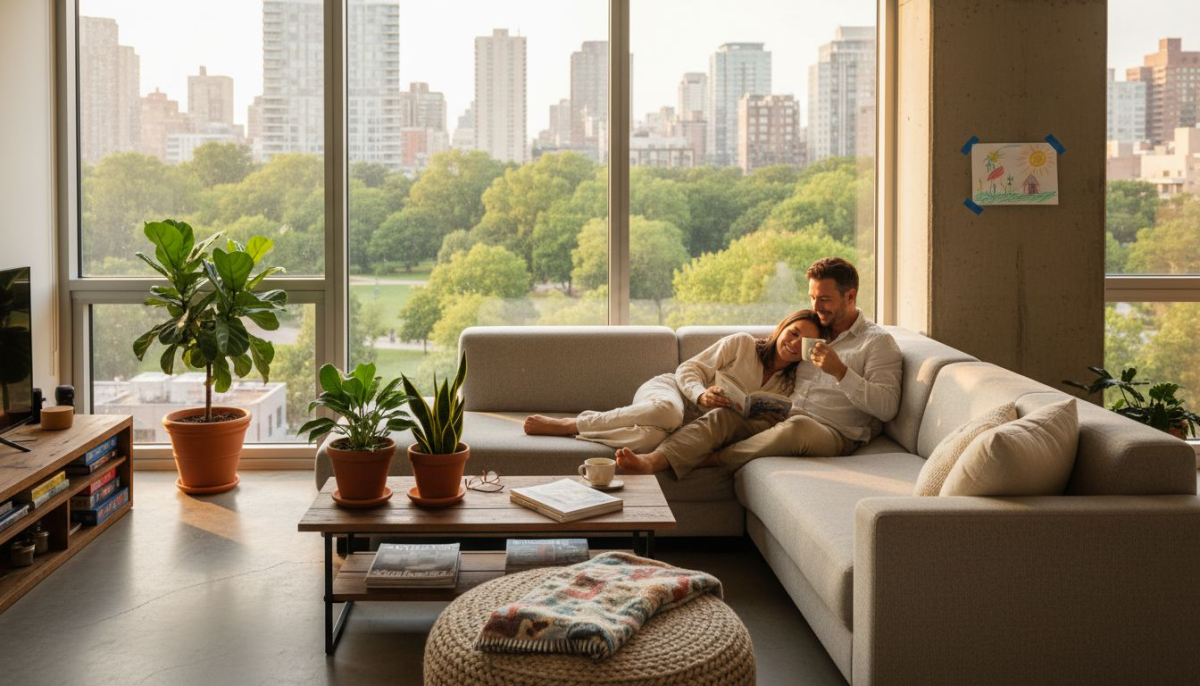
Bold colors and layered textures are reshaping homes in Michigan and Florida for 2026, moving beyond minimalism to create vibrant, emotionally rich spaces. Affluent homeowners seeking a blend of smart technology and personal expression are finding inspiration in globally influenced styles and eco-conscious materials. Explore how emotional color theory and technology-enabled spaces are turning houses into responsive environments that balance comfort, function, and lasting visual interest.
Table of Contents
- Defining Interior Design Trends 2026
- Major Style Shifts and Key Influences
- Essential Materials, Colors, and Textures
- Integrating Technology and Smart Design
- Sustainable Practices and Lasting Impact
Key Takeaways
| Point | Details |
|---|---|
| Holistic Design Philosophy | Interior design in 2026 prioritizes emotional resonance, technology integration, and sustainability, creating spaces that enhance quality of life. |
| Dynamic Spaces | Environments are designed to be interactive and responsive, reflecting individual needs and promoting well-being. |
| Sustainability as Core Principle | Modern design embraces eco-conscious materials and practices, emphasizing long-term value and environmental responsibility. |
| Cultural Fusion | Design trends reflect a blend of global influences, promoting individuality and interconnectedness in living spaces. |
Defining Interior Design Trends 2026
Interior design in 2026 represents a profound transformation, moving beyond aesthetic preferences to become a holistic expression of human experience and technological integration. The emerging design landscape reflects a sophisticated dialogue between emotional depth, technological innovation, and environmental consciousness.
The color trends for 2026 signal a significant departure from previous minimalist approaches. Emerging color palettes emphasize emotional resonance and technological dynamism, blending natural inspiration with digital-era sensibilities. This nuanced approach suggests interior spaces will become more than visual backdrops – they’ll be dynamic environments that actively respond to human needs.
Key characteristics of 2026 interior design trends include:
- Biophilic Integration: Seamless connections between indoor environments and natural elements
- Technology-Enabled Spaces: Smart home features that adapt to individual lifestyle patterns
- Emotional Color Theory: Strategic color selections that influence psychological well-being
- Sustainable Materials: Eco-conscious design choices that prioritize environmental responsibility
The design philosophy transcends mere decoration, positioning interior spaces as intelligent, responsive ecosystems that support human experience. Designers are now crafting environments that don’t just look beautiful, but actively enhance quality of life through thoughtful, performance-driven aesthetics.
Pro tip: When planning interior renovations, consider how each design choice contributes to emotional wellness and functional adaptability.
Major Style Shifts and Key Influences
Interior design in 2026 is experiencing a radical transformation, driven by complex societal shifts and global cultural exchanges. Emerging design trends reflect a profound move away from traditional aesthetic constraints, embracing a more dynamic and personalized approach to living spaces.
The landscape of interior design is being reshaped by several critical influences. Global design perspectives are introducing unprecedented fluidity, blending cultural elements from Mediterranean, Japanese, and Middle Eastern design traditions. This cross-cultural integration represents more than aesthetic innovation – it’s a statement of interconnectedness and individual expression.
Key style shifts for 2026 include:
- Maximalist Expression: Moving beyond minimalism towards bold, personality-driven interiors
- Cultural Fusion: Incorporating design elements from diverse global traditions
- Performance-Driven Design: Spaces that adapt to changing lifestyle needs
- Technological Integration: Smart home features that enhance living experiences
- Sustainability as Aesthetic: Eco-conscious materials becoming a design statement
The future of interior design is not about creating spaces, but about crafting living experiences that reflect individual narratives and global consciousness.
The evolving design philosophy transcends traditional boundaries, positioning interiors as dynamic, responsive environments that celebrate personal identity and global interconnectedness. Designers are now architects of experience, creating spaces that are simultaneously deeply personal and universally resonant.
Pro tip: When reimagining your living space, consider how each design element can tell a story of your personal journey and global connections.
The table below compares modern interior design priorities in 2026 versus traditional approaches:
| Priority | Traditional Interior Design | 2026 Interior Design |
|---|---|---|
| Aesthetic Focus | Static visuals, minimal innovation | Interactive, multi-sensory spaces |
| Material Choice | Style-driven, less sustainable | Eco-conscious, innovative textures |
| Technology Use | Decorative or limited automation | Deep integration and personalization |
| Global Influence | Local or singular styles | Fluid mix of global traditions |
Essential Materials, Colors, and Textures
The interior design landscape of 2026 is experiencing a transformative shift in material selection and color philosophy. Material trends are moving beyond mere aesthetic considerations, embracing a holistic approach that balances visual appeal, sustainability, and emotional resonance.
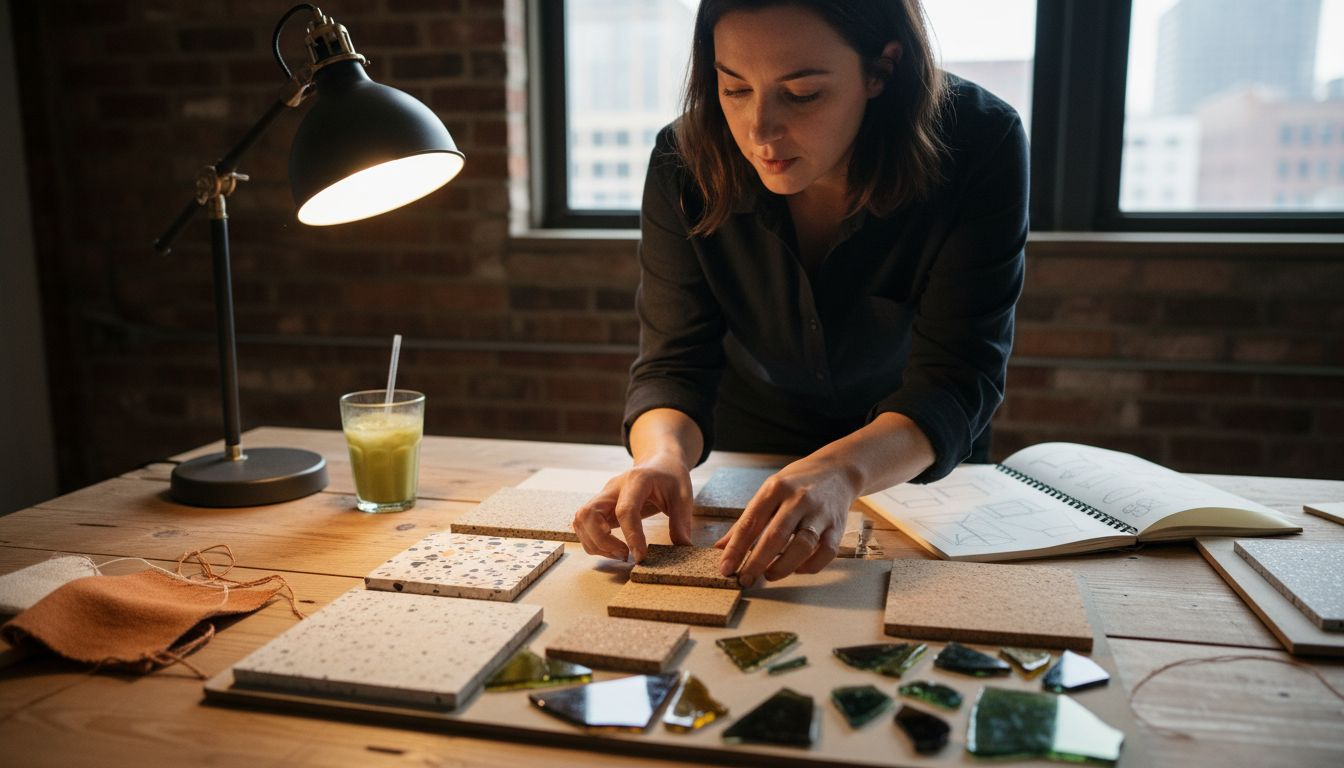
Textural complexity is becoming the hallmark of sophisticated interior design. Design experts recommend creating multi-dimensional environments by thoughtfully combining diverse surface textures – smooth alongside rough, soft juxtaposed with shiny – to create rich, engaging spaces that stimulate multiple sensory experiences.
Key material and color trends for 2026 include:
- Warm Earthy Tones: Deep terracotta, emerald green, and rich brown palettes
- Textural Diversity: Fluted wood panels, curved architectural elements
- Sustainable Materials: Eco-conscious manufacturing techniques
- Layered Aesthetics: Combining historical references with modern production
- Tactile Complexity: Surfaces that invite touch and interaction
Design is no longer about creating static environments, but about crafting dynamic sensory experiences that evolve with human interaction.
Modern interior design is embracing materials that tell a story – combining advanced manufacturing techniques like medium density fiberboard and high-pressure laminates with a renewed appreciation for natural, organic textures. This approach creates spaces that are simultaneously cutting-edge and deeply connected to human experience.
Pro tip: When selecting materials, prioritize those that offer both visual intrigue and sustainable performance.
Here’s a summary of how emerging technologies, materials, and design philosophies interact in interior design for 2026:
| Domain | Key Influence | Value for Residents |
|---|---|---|
| Technology | AI, smart systems, generative tools | Personalized spaces, adaptive comfort |
| Materials | Sustainable sources, advanced finishes | Healthier environment, tactile variety |
| Design Philosophy | Emotional focus, biophilic elements | Enhanced well-being, nature integration |
Integrating Technology and Smart Design
Smart design in 2026 represents a revolutionary convergence of human creativity and technological innovation. Advanced design technologies are transforming interior spaces from static environments into dynamic, responsive ecosystems that anticipate and adapt to human needs.
Artificial intelligence is becoming a critical design partner, enabling unprecedented levels of personalization and efficiency. AI integration is revolutionizing how designers conceptualize and realize interior environments, offering rapid design exploration and real-time optimization while maintaining the essential human touch of creativity.
Key technological integration strategies for 2026 include:
- Generative Design: AI-powered design option exploration
- Predictive Functionality: Spaces that adapt to individual user patterns
- Sustainable Technology: Energy optimization through smart systems
- Immersive Interfaces: Interactive surfaces and adaptive environments
- Biometric Personalization: Spaces that respond to individual physiological needs
Technology in design is not about replacing human creativity, but about expanding the boundaries of what’s possible.
The future of interior design lies in creating intelligent environments that seamlessly blend technological capability with human-centric design principles. By leveraging tools like Building Information Modeling and generative AI, designers can craft spaces that are not just aesthetically pleasing, but deeply responsive to human experience.
Pro tip: Embrace technological tools as collaborative partners, not replacements for human creativity and intuition.
Sustainable Practices and Lasting Impact
Sustainability has evolved from a design trend to a fundamental philosophy of interior design in 2026. Sustainable design strategies now represent a comprehensive approach that integrates environmental responsibility, occupant well-being, and long-term value creation.
Modern interior design is increasingly focused on creating spaces that minimize environmental impact while maximizing human experience. LEED certification standards are driving innovative approaches to material selection, energy efficiency, and holistic environmental design, transforming how designers conceptualize living spaces.
Key sustainable design principles for 2026 include:
- Adaptive Reuse: Repurposing materials and existing structures
- Carbon Footprint Reduction: Selecting low-impact materials and energy systems
- Circular Design: Creating spaces with end-of-life recyclability
- Biophilic Integration: Incorporating natural elements and systems
- Performance-Driven Sustainability: Balancing aesthetic and functional efficiency
Sustainable design is not a compromise, but an opportunity to create more intelligent, responsive, and meaningful living environments.
The future of interior design lies in creating spaces that are not just visually appealing, but environmentally intelligent. By prioritizing responsible material choices, energy optimization, and adaptive design strategies, designers can craft interiors that support both human and planetary health.
Pro tip: Approach sustainability as a comprehensive design philosophy, not just a checklist of green features.
Transform Your Home with Forward-Thinking Interior Design Solutions
The challenges highlighted in “Interior Design Trends 2026: Impact on Modern Homes” show the need for living spaces that are not only beautiful but emotionally enriching and technologically adaptive. If you want to embrace biophilic integration, sustainable materials, and smart design that supports your lifestyle, expert guidance is essential. At SAM Interiors Uncategorized Archives, you will find inspiration and proven strategies to bring these 2026 trends into your everyday environment.
Don’t wait to create a home that reflects your personal story and adapts to your evolving needs. Discover how award-winning designer Staci A. Meyers applies Excellence by Design to craft sophisticated, meaningful spaces tailored to you. Take the first step toward a transformative interior by visiting SAM Interiors today and explore the possibilities awaiting your home.
Frequently Asked Questions
What are the key interior design trends for 2026?
The key interior design trends for 2026 include biophilic integration, technology-enabled spaces, emotional color theory, and the use of sustainable materials. These trends focus on enhancing human experience and environmental consciousness while creating dynamic, responsive environments.
How is technology shaping interior design in 2026?
Technology in 2026 is leading to smart design that integrates AI and predictive functionality, creating personalized and adaptive spaces. Designers are leveraging tools like generative design and immersive interfaces to craft environments that respond to the needs and preferences of residents.
What role does sustainability play in modern interior design?
Sustainability in modern interior design has become a fundamental philosophy, emphasizing eco-friendly practices like adaptive reuse, carbon footprint reduction, and circular design. It focuses on creating spaces that minimize environmental impact while enhancing occupant well-being.
How can color choices affect emotional well-being in interior spaces?
Color choices in interior design are strategic and aim to influence psychological well-being. The emotional color theory emphasizes selecting hues that resonate with feelings and create inviting spaces that support mental health and enhance the overall atmosphere.
Recommended