Every sophisticated home in Florida or Michigan deserves interiors that are as conscientious as they are stunning. The growing demand for spaces that honor both luxury and ecological responsibility highlights how sustainable interior design brings together thoughtful material choices, community well-being, and timeless style. Discover how a truly curated approach with social responsibility and ecological preservation at its core can transform interiors into lasting investments in beauty, health, and the environment.
Table of Contents
- Defining Sustainability in Interior Design
- Eco-Friendly Materials and Luxury Finishes
- Innovative Practices for Sustainable Interiors
- Health, Wellness, and Biophilic Design
- Financial Benefits and Long-Term Value
- Common Pitfalls in Sustainable Interior Projects
Key Takeaways
| Point | Details |
|---|---|
| Holistic Approach to Sustainability | Sustainable interior design integrates ecological, social, and economic dimensions, focusing on minimizing environmental impact while enhancing human well-being. |
| Innovative Eco-Friendly Materials | Designers should prioritize renewable and locally sourced materials, ensuring aesthetic quality while reducing ecological footprints. |
| Health and Wellness Integration | Incorporating biophilic design elements can significantly enhance occupant well-being by connecting interior spaces with the natural environment. |
| Financial Viability | Sustainable design is a long-term investment that can lower operational costs, increase property value, and enhance occupant productivity. |
Defining Sustainability in Interior Design
Sustainability in interior design represents a holistic approach that goes far beyond simple environmental consciousness. It encompasses a comprehensive strategy integrating social responsibility, ecological preservation, and thoughtful resource management. At its core, sustainable interior design seeks to create spaces that minimize negative environmental impacts while maximizing human well-being and long-term ecological harmony.
The fundamental principles of sustainable interior design are deeply rooted in understanding our interconnected ecosystems. Ecological interconnection and responsible design demand that designers think critically about material selection, energy efficiency, and the broader environmental context of their projects. This approach involves several key considerations:
- Utilizing locally sourced and renewable materials
- Minimizing waste through thoughtful design strategies
- Selecting low-emission and non-toxic products
- Designing for long-term durability and adaptability
- Prioritizing energy-efficient systems and technologies
Moreover, sustainable interior design transcends environmental concerns to include social dimensions. It recognizes that truly sustainable spaces must support human health, promote inclusivity, and reflect diverse cultural perspectives. Sustainable design integrates equity and environmental health by considering how interior environments impact human experiences and community well-being.
Pro tip: When approaching a sustainable interior design project, start by conducting a comprehensive lifecycle assessment of materials and understanding their long-term environmental and social implications.
Eco-Friendly Materials and Luxury Finishes
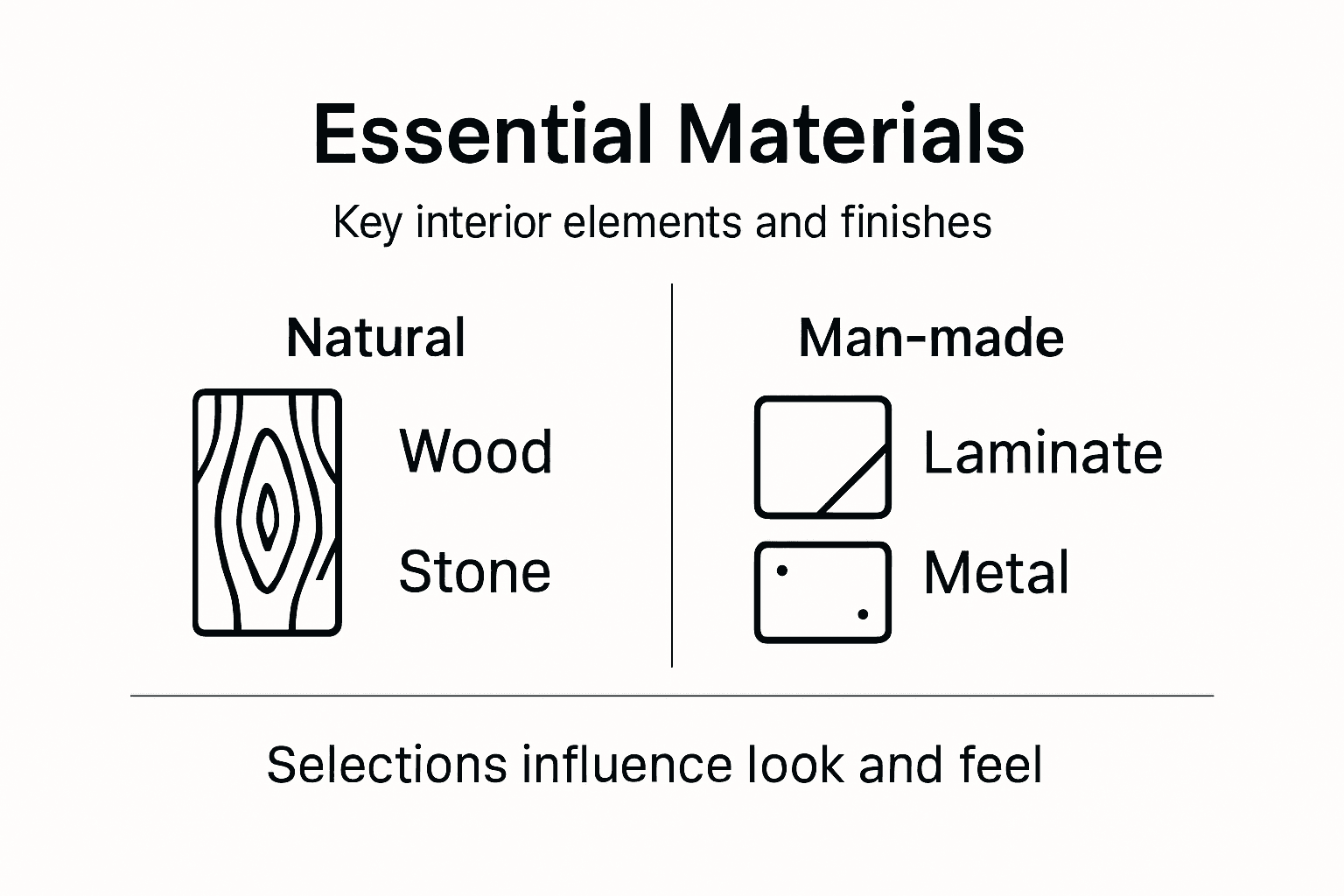
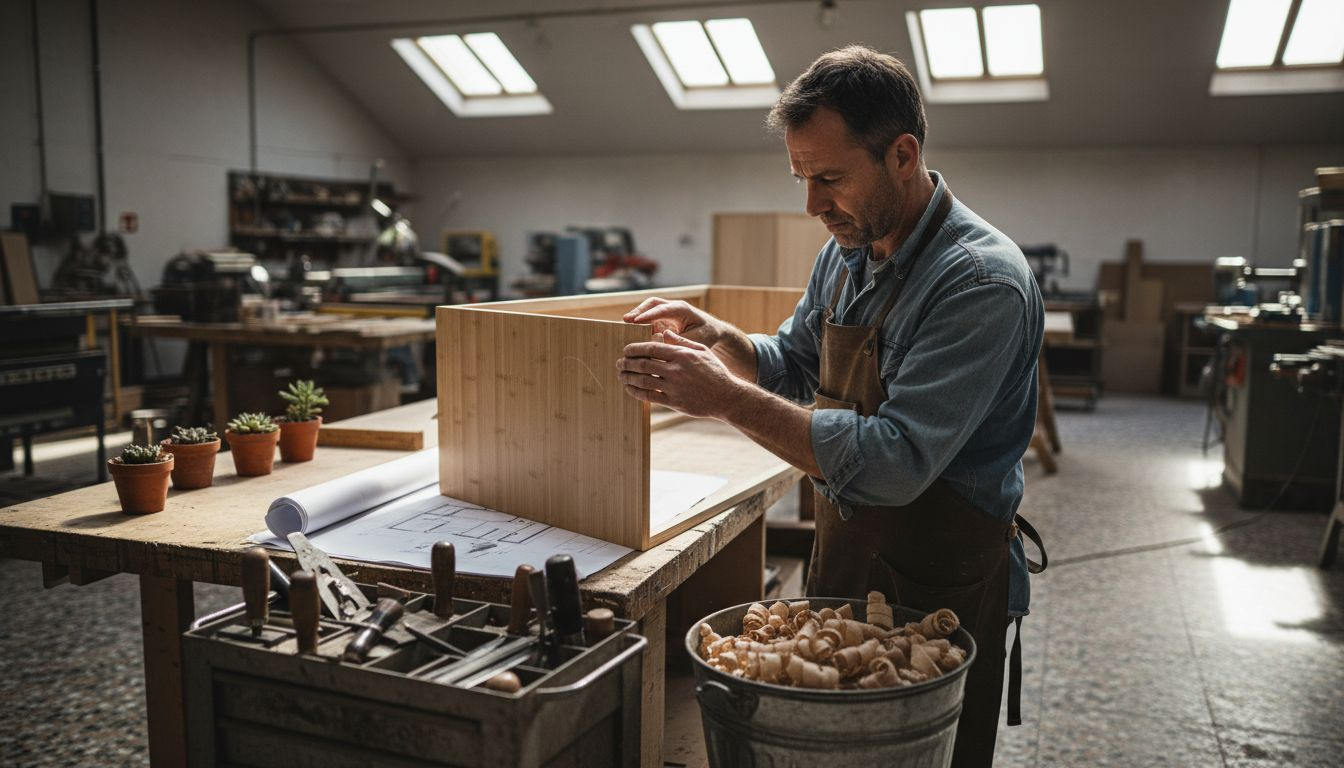
Luxury interior design is experiencing a transformative shift towards sustainable materiality, where high-end aesthetics seamlessly converge with ecological responsibility. Bio-based building materials are revolutionizing how designers approach premium finishes, offering unprecedented opportunities to create spaces that are both visually stunning and environmentally conscious.
Contemporary sustainable materials represent a remarkable fusion of innovation and elegance. Designers now have access to an expansive palette of eco-friendly options that deliver exceptional performance:
- Reclaimed wood with rich, historical patinas
- Bamboo and grass-based composites with remarkable durability
- Recycled metal finishes with sophisticated textures
- Plant-based resins and innovative textile alternatives
- Natural stone and mineral-based surfaces with minimal environmental impact
Renewable material technologies are pushing the boundaries of what’s possible in luxury interiors. Sustainable materials and manufacturing emphasize not just environmental preservation, but also creating high-performance surfaces that meet the most discerning aesthetic standards. These advanced materials offer superior durability, reduced carbon footprint, and extraordinary design flexibility.
The future of luxury interiors lies in thoughtful material selection that balances aesthetic excellence with ecological stewardship. By embracing innovative, renewable resources, designers can craft spaces that are simultaneously breathtaking, functional, and deeply respectful of our planetary ecosystems.
Here is a comparison of common sustainable interior materials and their key attributes:
| Material Type | Durability Level | Environmental Impact | Design Appeal |
|---|---|---|---|
| Reclaimed Wood | High | Reduces landfill waste | Warm, unique patina |
| Bamboo Composite | Moderate | Rapidly renewable resource | Modern, natural texture |
| Recycled Metals | High | Lowers energy requirements | Industrial, sleek finish |
| Plant-Based Resin | Varies | Biodegradable alternatives | Versatile, customizable |
| Natural Stone | Very High | Minimal processing needed | Timeless, luxurious look |
Pro tip: When selecting eco-friendly luxury materials, prioritize products with transparent supply chains and third-party sustainability certifications to ensure genuine environmental commitment.
Innovative Practices for Sustainable Interiors
Sustainable interior design has evolved from a niche concept to a comprehensive approach that integrates environmental consciousness with sophisticated design strategies. Local materials and decarbonization represent a critical paradigm shift, enabling designers to create spaces that are both aesthetically compelling and environmentally responsible.
The core principles of innovative sustainable interior design encompass several key strategies:
- Implementing circular economy design principles
- Prioritizing energy-efficient systems and technologies
- Selecting materials with low embodied carbon
- Maximizing natural lighting and passive design techniques
- Creating flexible, adaptable interior spaces
- Integrating biophilic design elements
Modern sustainable interior practices go beyond traditional environmental considerations. Sustainable Materials Management demonstrates how designers can optimize resource utilization through strategic lifecycle approaches. This involves carefully analyzing each material’s environmental impact, from production to eventual disposal, and making informed choices that minimize waste and carbon footprint.
Technology and design innovation are converging to create interior environments that are not just sustainable, but regenerative. By embracing holistic design strategies that consider ecological, social, and economic factors, designers can transform interior spaces into powerful tools for environmental stewardship.
Pro tip: Create a comprehensive material passport for each design project, documenting the origin, carbon footprint, and potential for future recycling of every significant material selection.
Health, Wellness, and Biophilic Design
Biophilic design represents a transformative approach to interior spaces, reconnecting human environments with the natural world through intentional, scientifically-backed strategies. Biophilic design principles go beyond aesthetic considerations, fundamentally addressing human psychological and physiological well-being through thoughtful environmental integration.
The core elements of wellness-focused interior design include:
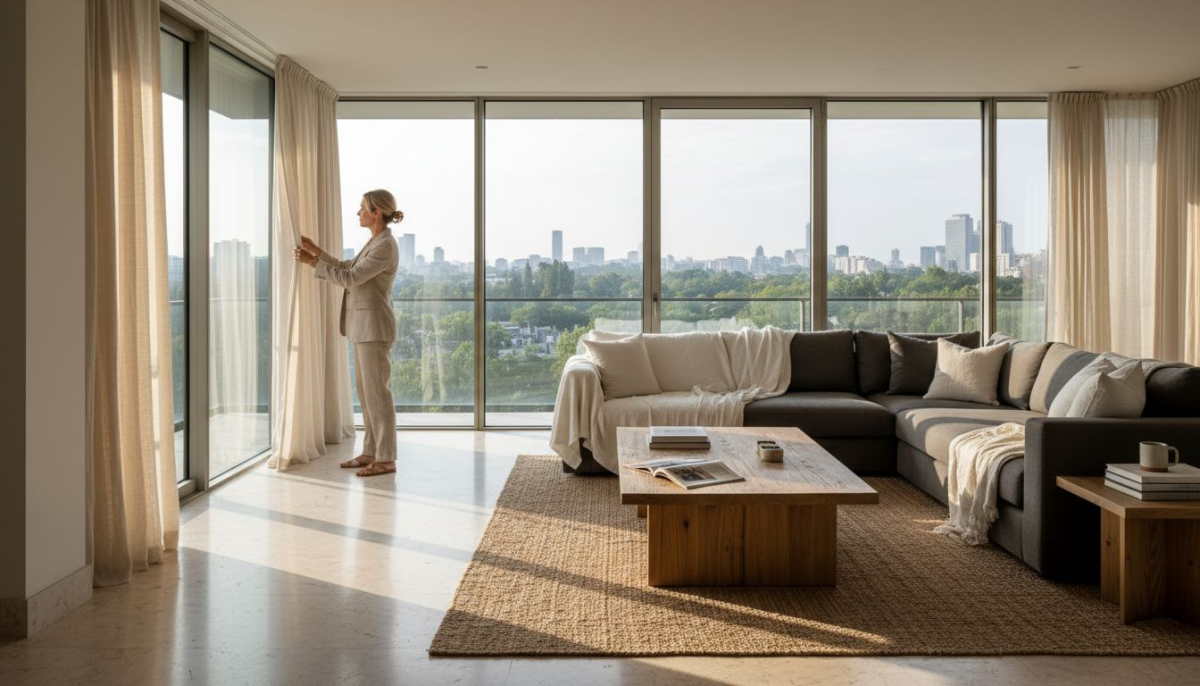
- Maximizing natural light exposure
- Incorporating living plant systems
- Using natural material textures and patterns
- Creating visual connections to exterior landscapes
- Designing spaces with organic, curved geometries
- Implementing air purification technologies
- Selecting non-toxic, low-emission materials
Modern wellness design integrates multiple health-supporting strategies. Health-promoting design approaches emphasize creating environments that actively support physical and mental restoration. This means carefully selecting materials, optimizing air quality, and designing spaces that reduce stress while promoting cognitive function and emotional balance.
By embracing biophilic principles, designers can create interior environments that do more than simply shelter occupants. These spaces become active participants in human well-being, supporting physiological rhythms, reducing psychological stress, and fostering a profound connection with natural systems.
Below is a summary of how biophilic design elements impact occupant well-being:
| Biophilic Element | Primary Health Benefit | Psychological Effect |
|---|---|---|
| Abundant Natural Light | Supports circadian rhythms | Elevates mood, reduces stress |
| Living Plants | Improves air quality | Creates sense of calm |
| Organic Textures | Reduces sensory fatigue | Enhances comfort, stimulates focus |
| Exterior Views | Promotes relaxation | Connects users to nature |
Pro tip: Conduct a comprehensive wellness audit of your interior spaces, evaluating natural light, air quality, material toxicity, and potential stress-reducing design elements.
Financial Benefits and Long-Term Value
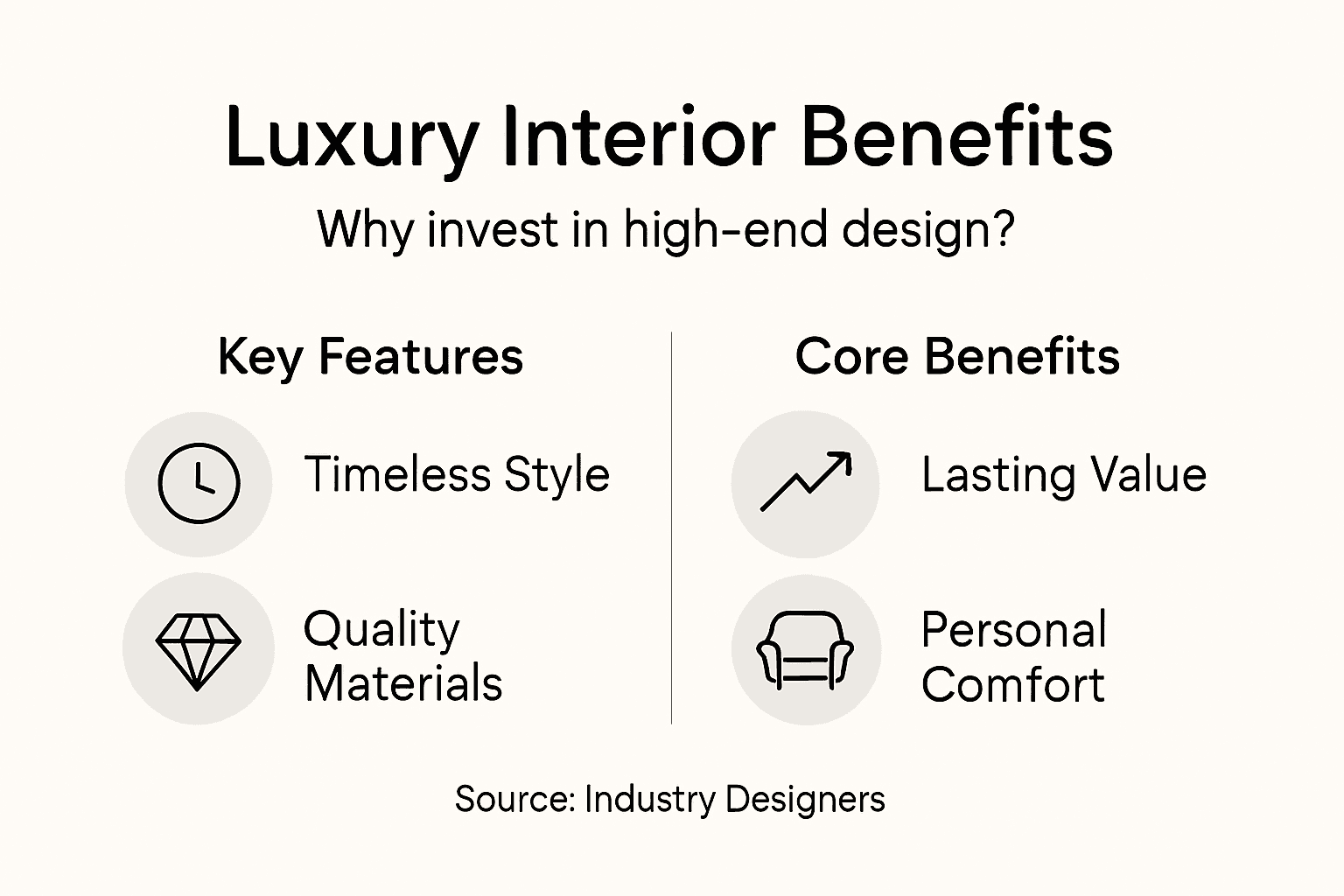
Sustainable interior design represents a strategic investment that delivers substantial financial advantages beyond traditional aesthetic considerations. Building performance and economic value demonstrate how environmentally conscious design can generate significant long-term economic returns through reduced operational costs and enhanced property valuation.
The key financial benefits of sustainable interior design include:
- Reduced energy consumption and utility expenses
- Lower maintenance and replacement costs
- Increased property market value
- Enhanced occupant productivity
- Potential tax incentives and green building credits
- Reduced healthcare costs through improved indoor environments
- Lower insurance premiums for resilient buildings
Strategic sustainability transforms interior design from a cost center to a value generator. Long-term economic sustainability strategies reveal that intelligent design choices can create financial resilience, adapting to changing market demands and environmental regulations while maintaining superior aesthetic and functional performance.
Investors and homeowners are increasingly recognizing that sustainable interiors are not an expense but a sophisticated financial strategy. By prioritizing materials, technologies, and design approaches that minimize resource consumption and maximize efficiency, designers can deliver spaces that generate economic value throughout their entire lifecycle.
Pro tip: Calculate the total cost of ownership for design materials, considering not just initial purchase price but long-term maintenance, energy efficiency, and potential replacement costs.
Common Pitfalls in Sustainable Interior Projects
Sustainable interior design demands sophisticated strategies that go beyond superficial environmental gestures. Local materials and sustainability challenges reveal the complex landscape of creating truly eco-conscious interiors, where well-intentioned efforts can easily go astray without comprehensive planning and nuanced understanding.
Designers and homeowners frequently encounter several critical pitfalls in sustainable interior projects:
- Prioritizing aesthetics over genuine environmental performance
- Inadequate research on material lifecycle and true carbon footprint
- Overlooking local sourcing and regional manufacturing implications
- Underestimating the complexity of circular economy principles
- Failing to integrate holistic sustainability across design phases
- Neglecting long-term maintenance and replacement strategies
- Insufficient stakeholder education and engagement
Strategic sustainability requires a comprehensive approach that transcends traditional design thinking. Comprehensive sustainability planning demonstrates that success hinges on meticulous preparation, continuous learning, and a willingness to challenge conventional design paradigms.
Navigating the intricate landscape of sustainable interior design demands intellectual rigor, technical expertise, and a genuine commitment to environmental stewardship. By anticipating potential challenges and developing adaptive strategies, designers can transform potential pitfalls into opportunities for innovation and meaningful environmental impact.
Pro tip: Develop a comprehensive sustainability scorecard that evaluates materials, processes, and design choices against multiple environmental and performance metrics.
Elevate Your Luxury Living with Sustainable Interior Design
Sustainability in interiors is more than a trend it is a thoughtful approach that balances ecological responsibility with exquisite luxury. The challenge many face is selecting materials and design strategies that not only reduce environmental impacts but also uphold elegance durability and wellness. If you are seeking to integrate eco-friendly luxury finishes and innovative sustainable practices while enhancing health and long-term value this is your opportunity.
At Staci A. Meyers Interiors we excel in creating meaningful spaces that reflect your lifestyle and respect the planet. Explore our Case Study Archives – SAM Interiors to see how we transform challenges like material selection and holistic design into beautiful solutions. Discover how purposeful choices in renewable materials and biophilic design can elevate your space both visually and functionally. Ready to create a stunning interior that is also a smart investment with lasting benefits visit SAM Interiors today and start your journey toward sustainable luxury living.
Frequently Asked Questions
What is sustainable interior design?
Sustainable interior design focuses on creating spaces that minimize negative environmental impacts while maximizing human well-being. It integrates ecological preservation, social responsibility, and thoughtful resource management.
What materials are considered eco-friendly in luxury interior design?
Eco-friendly materials in luxury design include reclaimed wood, bamboo composites, recycled metals, plant-based resins, and natural stone. These materials are chosen for their durability, sustainability, and aesthetic appeal.
How does biophilic design contribute to wellness in interiors?
Biophilic design enhances wellness by incorporating natural elements like natural light, living plants, and organic textures. These features improve air quality, reduce stress, and foster a deeper connection to nature.
What are the financial benefits of sustainable interior design?
The financial benefits include reduced energy consumption, lower maintenance costs, enhanced property value, and potential tax incentives. Sustainable interior design can create long-term savings and increase occupant productivity.

 At a Glance