
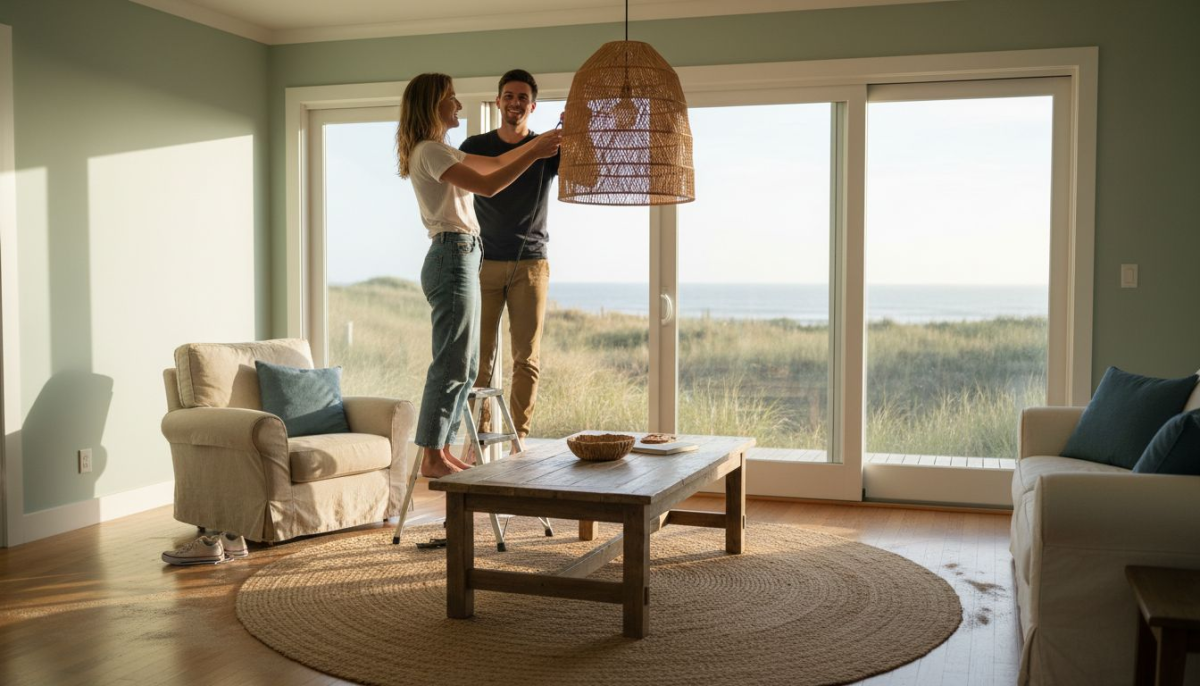
Lighting does more than brighten a room—it defines how your home feels, looks, and functions each day. For affluent homeowners in coastal Florida, the right lighting transforms living spaces into personal retreats that blend comfort with architectural elegance. By focusing on layered lighting design and balancing natural sunlight with sophisticated fixtures, you can create interiors that are both visually stunning and a true reflection of your unique style.
Table of Contents
- Defining Interior Lighting and Its Impact
- Three Layers of Lighting: Ambient, Task, Accent
- Choosing Fixtures for Coastal Sophistication
- Optimizing Natural and Artificial Light Balance
- Lighting Strategies for Personal Style Expression
- Common Lighting Mistakes and How to Avoid Them
Key Takeaways
| Point | Details |
|---|---|
| Lighting Design Importance | Interior lighting shapes emotional atmosphere, visual functionality, and architectural enhancement, particularly in coastal homes. |
| Three Layers of Lighting | Mastering ambient, task, and accent lighting is essential for creating dynamic and visually compelling spaces. |
| Fixture Selection | Choosing durable, corrosion-resistant materials that reflect coastal aesthetics is crucial for lighting fixtures. |
| Avoiding Common Mistakes | Implementing layered lighting and managing light temperature can prevent frequent lighting design errors. |
Defining Interior Lighting and Its Impact
Interior lighting represents far more than simple illumination – it’s a nuanced design element that transforms spaces, influences emotions, and defines architectural experiences. Lighting design is a sophisticated interplay between functionality, aesthetics, and psychological impact, particularly critical in coastal home environments where natural light and architectural character converge.
Lighting fundamentally shapes our perception of interior spaces through multiple critical dimensions:
- Emotional atmosphere: Creates mood and ambiance
- Visual functionality: Supports specific activities and tasks
- Architectural enhancement: Highlights design elements and spatial geometry
- Biological rhythm support: Influences circadian responses and well-being
Professional lighting design goes beyond basic illumination, carefully managing light temperature and intensity to craft immersive environments. Warm lighting generates intimate, cozy atmospheres perfect for living areas, while cooler tones enhance alertness and visual clarity in workspaces.
In coastal homes, lighting takes on additional significance. The interplay between natural sunlight and artificial illumination becomes a delicate choreography, leveraging energy-efficient design principles to create spaces that feel both dramatically lit and harmoniously connected to their environmental context.
Key considerations in coastal interior lighting include:
- Maximizing natural light exposure
- Using adjustable fixtures for varied scenarios
- Selecting materials that reflect and diffuse light elegantly
- Integrating smart lighting technologies
Pro tip: Consider using layered lighting techniques with multiple light sources to create depth, dimension, and visual interest in your coastal interior design.
Three Layers of Lighting: Ambient, Task, Accent
Understanding the strategic composition of interior lighting requires mastering three fundamental layers that work in harmonious concert to create dynamic, functional, and visually compelling spaces. Lighting layers are not just technical considerations but sophisticated design elements that transform how we experience and interact with our coastal home interiors.
Ambient Lighting: The Foundation of Illumination
Ambient lighting establishes the foundational illumination for entire spaces, serving as the primary source of general light. In coastal homes, this layer often leverages natural sunlight streaming through expansive windows, supplemented by overhead fixtures, chandeliers, and recessed lights that provide uniform, soft illumination.
Key characteristics of ambient lighting include:
- Creates overall room brightness
- Establishes baseline visual comfort
- Provides consistent, even light distribution
- Sets the initial mood and atmosphere
Task Lighting: Precision and Functionality
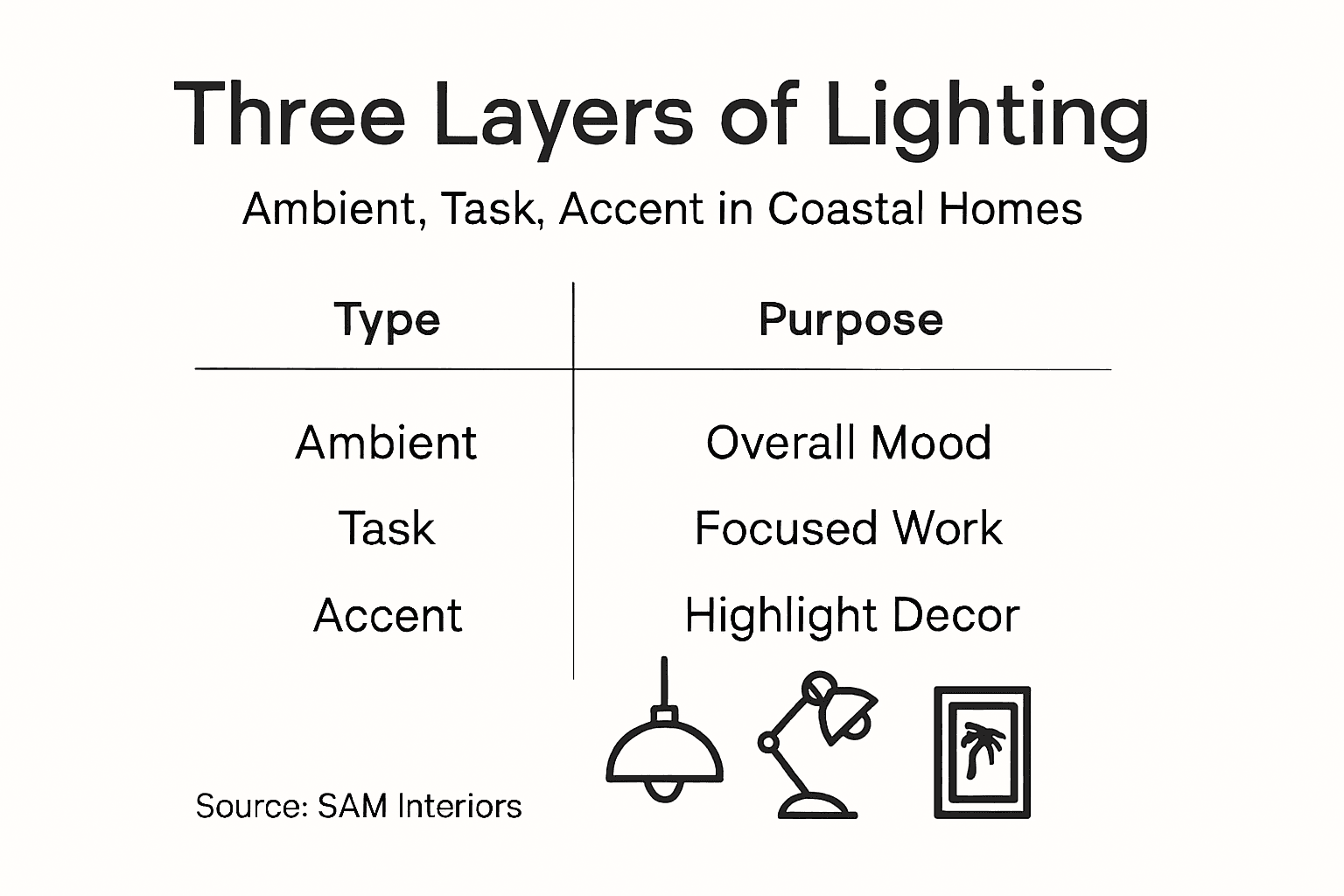
Task lighting represents the most targeted and intentional layer, designed to support specific activities with focused, directional illumination. Lighting principles emphasize precise light placement for reading, cooking, workspace productivity, and detailed visual tasks.
Ideal task lighting applications in coastal homes include:
- Under-cabinet kitchen lights
- Desk lamps in home offices
- Reading lights near seating areas
- Vanity lighting in bathrooms
Accent Lighting: Artistic Highlighting and Drama
Accent lighting introduces visual drama and architectural emphasis, drawing attention to specific design elements, artwork, or structural features. These carefully positioned lights create depth, shadow, and visual intrigue, transforming ordinary spaces into extraordinary experiences.
Accent lighting is the jewelry of interior design – small, strategic elements that dramatically elevate the entire aesthetic.
Accent lighting techniques include:
- Picture lights highlighting artwork
- Directional spotlights on architectural features
- LED strip lighting along architectural edges
- Landscape lighting through windows
Pro tip: Invest in dimmer switches for each lighting layer, allowing seamless transitions between functional and atmospheric lighting modes.
Here’s a quick comparison of the three main layers of interior lighting, highlighting their primary purpose and ideal coastal home application:
| Layer | Primary Purpose | Ideal Coastal Application |
|---|---|---|
| Ambient | Sets overall mood and comfort | Overhead fixtures, large windows |
| Task | Focuses light for activities | Reading lights, kitchen lighting |
| Accent | Highlights features, adds drama | Art spotlights, LED edge lighting |
Choosing Fixtures for Coastal Sophistication
Crafting the perfect lighting aesthetic in coastal homes requires a nuanced approach that balances functional performance with refined architectural expression. Coastal lighting design transcends mere illumination, becoming a sophisticated narrative of texture, materiality, and environmental harmony.
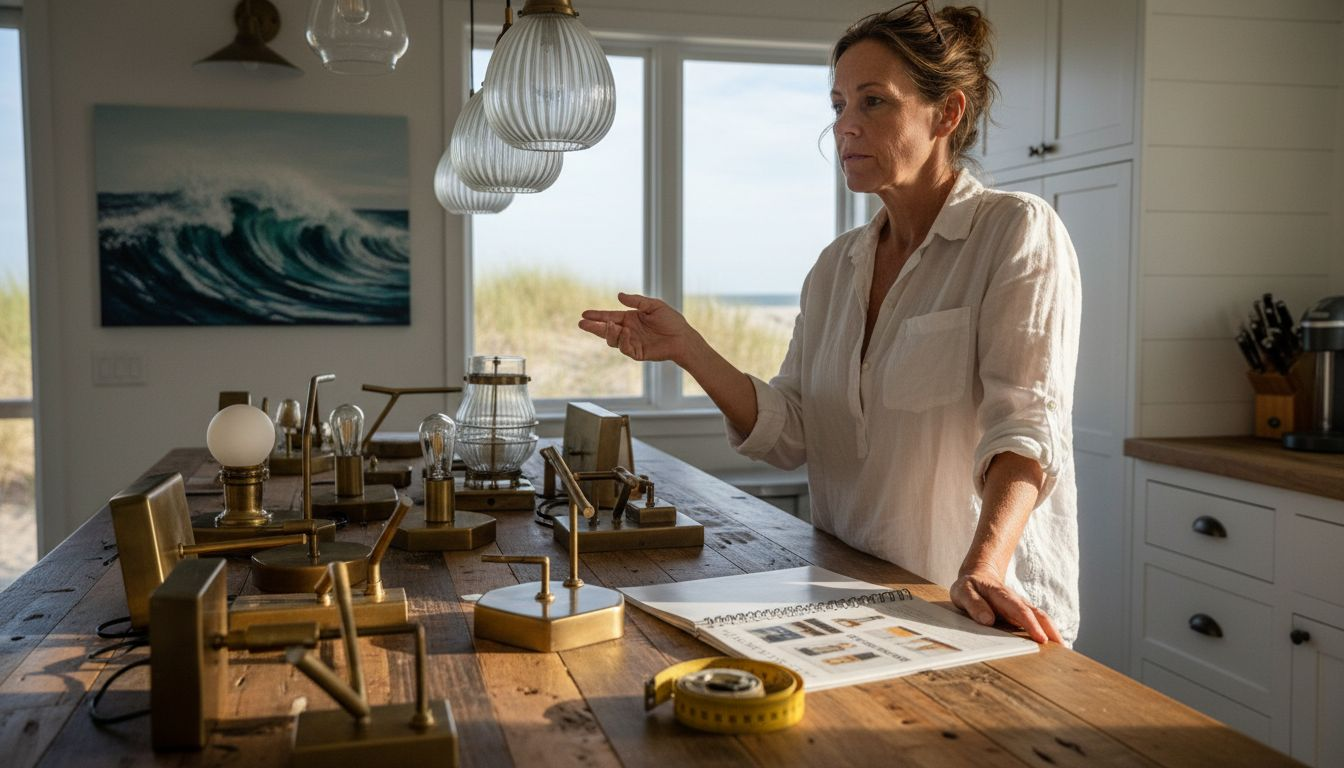
Coastal lighting fixtures demand strategic material selection that withstands challenging maritime environments while maintaining elegant design integrity. The humid, salt-laden atmosphere of coastal regions necessitates fixtures constructed from corrosion-resistant materials like marine-grade stainless steel, aluminum, and specialized polymers.
Key considerations for selecting coastal lighting fixtures include:
- Resistance to salt air and humidity
- Lightweight, durable construction
- Reflective of natural coastal color palettes
- Ability to complement architectural lines
- Minimal maintenance requirements
Fixture Styles for Coastal Sophistication
Timeless coastal design embraces light, airy aesthetics that evoke the relaxed elegance of seaside living. Preferred styles typically feature:
- Nautical-inspired pendant lights
- Minimalist glass and metal sconces
- Organic, sculptural floor lamps
- Textured ceramic table lamps
Coastal lighting is about creating visual poetry – each fixture tells a story of light, space, and natural beauty.
Material and Finish Selection
Beyond style, the material and finish of lighting fixtures play a critical role in achieving coastal sophistication. Opt for finishes that reflect natural coastal elements – soft brushed nickel mimicking sea fog, warm brass evoking sun-weathered beach metals, and crisp white ceramics reminiscent of sandy shorelines.
Additional material recommendations:
- Weathered brass with patina
- Sand-cast aluminum
- Seeded glass
- Textured ceramic
- Driftwood-inspired wooden bases
Pro tip: Select lighting fixtures with multiple adjustable settings to accommodate the changing light dynamics of coastal environments throughout different times of day.
For reference, here’s a summary of materials and finishes best suited to coastal lighting fixtures and why they excel in this environment:
| Material/Finish | Benefit for Coastal Homes | Visual Effect |
|---|---|---|
| Marine-grade stainless | Resists salt and humidity corrosion | Modern, durable shine |
| Brushed nickel | Withstands moisture, low maintenance | Soft, foggy metallic appearance |
| Seeded/textured glass | Diffuses light, easy to clean | Subtle coastal texture |
| Weathered brass | Patina resists harsh conditions | Warm, beach-inspired glow |
| Sand-cast aluminum | Lightweight, highly corrosion-resistant | Airy, contemporary feel |
Optimizing Natural and Artificial Light Balance
Creating harmonious illumination in coastal homes requires a sophisticated understanding of how natural and artificial light interact to shape visual experiences. Light balance is not merely a technical consideration, but an artistic choreography that transforms interior spaces, leveraging the unique environmental characteristics of coastal landscapes.
Daylighting strategies play a critical role in reducing energy consumption while enhancing occupant comfort and well-being. Coastal homes present unique opportunities to maximize natural light through strategic window placement, expansive glass surfaces, and architectural design that captures the dynamic qualities of ambient sunlight.
Key principles of natural light optimization include:
- Positioning windows to capture morning and evening light
- Using reflective surfaces to distribute sunlight
- Minimizing direct glare through architectural shading
- Selecting window treatments that filter without blocking light
- Considering seasonal sun angle variations
Artificial Lighting Integration
Circadian-aligned lighting supports human physiological rhythms by mimicking natural light transitions. Smart lighting technologies now enable precise spectral tuning, allowing artificial illumination to complement and extend the natural light experience throughout different times of day.
Strategies for artificial light integration:
- Use tunable LED systems
- Install programmable dimmer controls
- Create layered lighting scenarios
- Match color temperatures to time of day
- Incorporate motion and ambient light sensors
Intelligent lighting design transforms spaces from functional environments to dynamic, responsive living experiences.
Material and Technological Considerations
Coastal homes benefit from lighting solutions that withstand environmental challenges while maintaining aesthetic sophistication. Selecting materials and technologies that resist humidity, minimize maintenance, and provide flexible illumination becomes paramount in creating enduring, beautiful interior environments.
Recommended technological approaches:
- Wireless lighting control systems
- Humidity-resistant fixtures
- Energy-efficient LED technologies
- Solar-integrated lighting solutions
- Smart home lighting platforms
Pro tip: Invest in lighting control systems that automatically adjust artificial and natural light levels to maintain optimal visual comfort and energy efficiency.
Lighting Strategies for Personal Style Expression
Personal style transcends mere aesthetic choices – it’s a nuanced language of visual communication that speaks volumes about individual identity and emotional landscape. Personal lighting design emerges as a powerful medium for self-expression, transforming interior spaces into personalized narratives that reflect individual personality, lifestyle, and emotional resonance.
Human-centric lighting strategies go beyond traditional illumination, considering both visual and physiological impacts of light. These sophisticated approaches allow homeowners to craft environments that not only look remarkable but also support well-being and reflect personal sensibilities.
Key dimensions of personal lighting expression include:
- Emotional mood setting
- Architectural personality
- Lifestyle functionality
- Psychological comfort
- Aesthetic storytelling
Creating Personalized Lighting Narratives
Lighting design enables profound customization through intelligent selection of fixtures, colors, and control systems. The interplay between different lighting layers allows for nuanced personal expression, transforming spaces from generic environments to deeply intimate experiences.
Strategies for personal style lighting include:
- Selecting signature statement fixtures
- Incorporating meaningful color temperatures
- Utilizing dynamic lighting controls
- Integrating personal memorabilia through light
- Reflecting individual aesthetic preferences
Personal lighting is an art form – each fixture, each luminescent moment tells a story uniquely yours.
Technological and Emotional Considerations
Modern lighting technologies provide unprecedented opportunities for personal style expression. Smart lighting systems now allow real-time mood adjustments, enabling residents to choreograph their environmental ambiance with unprecedented precision and emotional intelligence.
Advanced personalization techniques:
- Voice-controlled lighting scenes
- Smartphone-integrated color shifting
- Circadian rhythm matching
- Ambient sound and light synchronization
- Personalized lighting memory profiles
Pro tip: Create multiple lighting profiles that capture different emotional states and activities, allowing your space to dynamically adapt to your changing needs and moods.
Common Lighting Mistakes and How to Avoid Them
Even sophisticated homeowners can inadvertently compromise their interior lighting design through common misconceptions and overlooked details. Lighting errors can dramatically undermine the aesthetic potential and functional comfort of coastal home interiors, transforming potentially stunning spaces into visually chaotic environments.
Lighting design requires strategic component selection to optimize performance, energy efficiency, and occupant experience. Understanding the most prevalent mistakes becomes crucial in creating luminous, harmonious interior environments that support both visual functionality and emotional well-being.
Most frequent lighting design mistakes include:
- Incorrect fixture scale and proportion
- Insufficient layered lighting approaches
- Neglecting color temperature variations
- Overlooking dimming and control capabilities
- Ignoring natural light integration
Over-Lighting and Glare Challenges
One of the most pervasive lighting errors involves excessive illumination and uncontrolled glare. Coastal homes, with their abundant natural light, require nuanced approaches to artificial lighting that complement rather than compete with daylight.
Key glare prevention strategies:
- Use diffused light sources
- Install adjustable fixtures
- Implement strategic shading
- Select low-reflection surfaces
- Position lights thoughtfully
Subtle lighting transforms spaces; harsh illumination destroys them.
Environmental and Performance Considerations
Responsible lighting design minimizes environmental disruption while maximizing functional performance. This requires careful selection of fixtures, understanding light pollution risks, and implementing intelligent control systems that adapt to changing environmental conditions.
Advanced mitigation techniques:
- Smart sensor integration
- Adaptive color temperature controls
- Energy-efficient LED technologies
- Programmable lighting scenes
- Circadian rhythm optimization
Pro tip: Conduct a comprehensive lighting audit every two years, reassessing your interior lighting design to ensure it continues meeting your evolving aesthetic and functional requirements.
Elevate Your Coastal Home with Expert Lighting Solutions
Transforming the unique challenges of coastal home lighting into sophisticated, personalized environments requires both artistry and technical expertise. If you are striving to master layered lighting that balances ambient, task, and accent illumination while overcoming humidity and natural light fluctuations, you are not alone. Key goals like achieving emotional atmosphere, supporting lifestyle functionality, and integrating durable yet elegant fixtures demand a thoughtful design approach aligned with your personal style.
At SAM Interiors, Staci A. Meyers brings her award-winning experience to create interiors that reflect your identity while optimizing light for architectural beauty and well-being. Explore real-world transformations in our Case Study Archives – SAM Interiors to understand how lighting can truly shape your coastal living experience. Ready to illuminate your home with precision and passion? Visit SAM Interiors and discover how expert design turns lighting challenges into luminous expressions of your lifestyle. To start crafting your personalized lighting narrative, see more insights within our Uncategorized Archives – SAM Interiors. Take the first step now toward a coastal interior that shines as brilliantly as the seaside.
Frequently Asked Questions
What are the three layers of interior lighting?
Ambient, task, and accent lighting are the three layers. Ambient lighting provides overall illumination, task lighting focuses on specific activities, and accent lighting highlights design features or decor.
How can I maximize natural light in my coastal home?
To maximize natural light, strategically position windows to capture morning and evening light, use reflective surfaces, and select window treatments that allow light to filter in without blocking it.
What materials should I consider for coastal lighting fixtures?
Choose corrosion-resistant materials such as marine-grade stainless steel, aluminum, and specialized polymers that withstand the coastal environment while reflecting natural aesthetics.
How can I avoid common lighting mistakes in my home?
Avoid common mistakes by ensuring appropriate fixture size, using layered lighting approaches, considering color temperature variations, and integrating dimming options for versatility.