
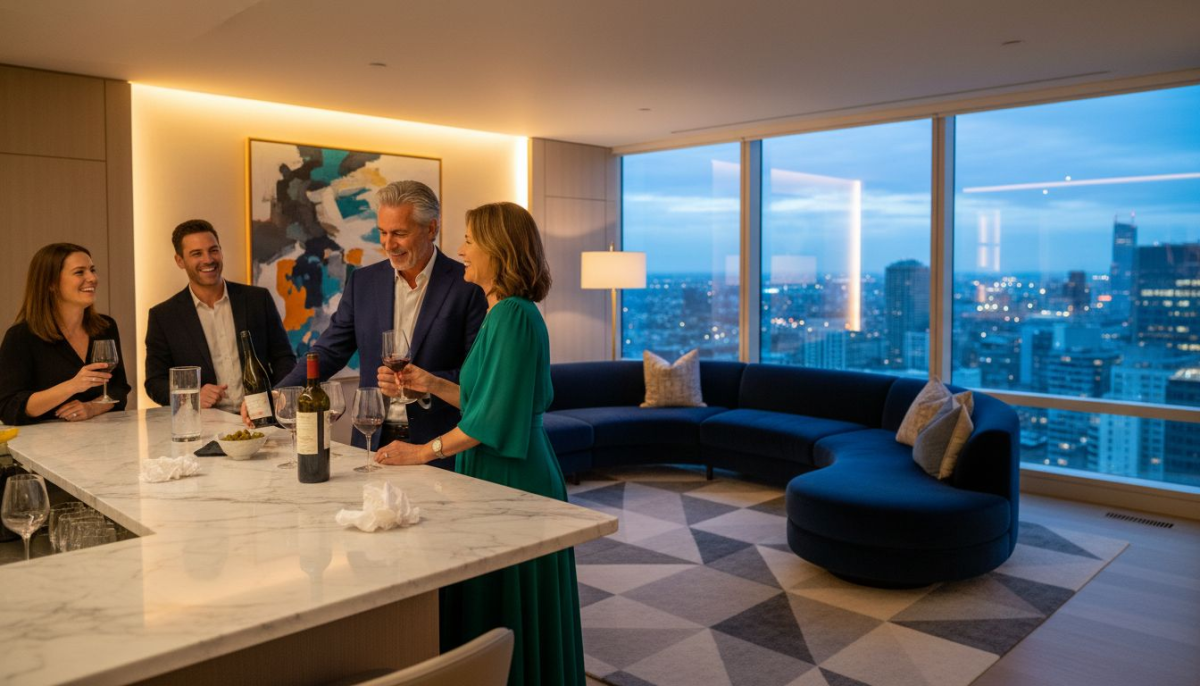
Hosting memorable gatherings along the Florida coast means your home should impress at every turn, blending refined beauty with seamless functionality. For those who value both status and comfort, the details behind luxury interior design matter, from selecting exceptional materials to achieving perfect spatial balance. Discover the art of personalized sophistication, where every curated choice transforms living spaces into elegant backdrops for elevated entertaining and relaxed, coastal living.
Table of Contents
- Defining Luxury Interior Design Essentials
- Popular Styles And Aesthetic Variations
- Key Features: Materials, Craftsmanship, Detail
- What Sets High-End Design Apart
- Costs, Benefits, And Common Misconceptions
Key Takeaways
| Point | Details |
|---|---|
| Luxury Interior Design is Multifaceted | It combines aesthetic elegance with functionality, focusing on material quality, spatial harmony, and sensory experiences. |
| Understanding Styles is Essential | Different design styles convey personal narratives and cultural heritage; select a style that resonates with your identity. |
| Investment in Quality Matters | High-performance materials and craftsmanship elevate spaces, making thoughtful material selection crucial for luxury design. |
| Weighing Cost vs. Value | Luxury design enhances quality of life; it’s about meaningful environments rather than merely expensive decor. |
Defining Luxury Interior Design Essentials
Luxury interior design transcends mere decoration, representing a sophisticated approach to creating environments that are simultaneously functional and visually stunning. Interior designers carefully craft spaces that seamlessly integrate aesthetic elegance with practical performance, transforming residential environments into personalized sanctuaries.
At its core, luxury interior design involves strategic element selection and meticulous attention to detail. The foundational essentials include:
- Material Quality: Selecting premium, durable materials that communicate refinement
- Spatial Harmony: Creating balanced compositions that flow naturally between areas
- Customized Functionality: Designing spaces that elegantly support specific lifestyle needs
- Sensory Experience: Integrating textures, lighting, and spatial arrangements that engage multiple senses
Designing sophisticated interiors requires deep understanding of design principles. Professional designers recognize that true luxury emerges from thoughtful integration of architectural elements, carefully curated furnishings, and personalized aesthetic vision. Each design decision must serve both emotional and practical purposes, transforming spaces from simple rooms into extraordinary living environments.
Pro tip: Invest in timeless design elements that reflect your personal style while maintaining adaptable, high-performance functionality.
Popular Styles and Aesthetic Variations
Luxury interior design encompasses a rich tapestry of architectural and aesthetic styles, drawing inspiration from diverse historical and contemporary influences. These styles represent more than visual preferences – they are sophisticated expressions of cultural heritage, personal identity, and design philosophy.
Modern luxury interior design offers a range of distinctive aesthetic approaches, each with unique characteristics:
- Traditional: Elegant, timeless designs featuring ornate details and classic furniture proportions
- Contemporary: Clean lines, minimalist approaches, and emphasis on open spaces and natural light
- Transitional: Blending classic and modern elements to create balanced, versatile environments
- Eclectic: Mixing multiple design styles, textures, and periods with intentional, curated precision
- Coastal: Soft color palettes, natural materials, and design elements inspired by maritime landscapes
Interior designers expertly navigate client preferences by understanding how different styles communicate personal narratives. The most sophisticated designs transcend mere visual appeal, creating immersive environments that reflect individual lifestyles, cultural backgrounds, and emotional connections to space.
Understanding these aesthetic variations allows homeowners to craft spaces that are not just visually stunning, but deeply personal and functionally tailored to their unique requirements. Each style offers a distinctive language of design, enabling creative expression through carefully selected materials, furniture, and spatial arrangements.
Here’s a summary of how popular luxury interior design styles differ:
| Style | Defining Characteristic | Best For |
|---|---|---|
| Traditional | Formal elegance and rich detail | Heritage-inspired homes |
| Contemporary | Clean lines, open layouts | Modern urban residences |
| Transitional | Harmonious style blending | Flexible, family settings |
| Eclectic | Intentional style mixing | Artistic, personalized homes |
| Coastal | Natural elements, airy palettes | Relaxed, seaside ambiance |
Pro tip: Select a primary design style that resonates with your personal aesthetic, but remain open to incorporating subtle elements from complementary approaches to create a truly unique living environment.
Key Features: Materials, Craftsmanship, Detail
Luxury interior design elevates spaces through meticulously selected high-performance materials, transforming ordinary environments into extraordinary experiences. The selection process goes far beyond aesthetic appeal, encompassing technical performance, durability, and sensory quality that communicate sophistication and intentional design.
Key material considerations in luxury interiors include:
- Natural Stone: Marble, granite, and quartzite with unique veining and patterns
- Exotic Woods: Rare hardwoods like mahogany, teak, and walnut with rich grain structures
- High-Performance Textiles: Performance fabrics that combine elegance with durability
- Artisan Metals: Handcrafted brass, bronze, and copper elements with distinctive finishes
- Specialized Glass: Custom-treated glass with enhanced thermal and aesthetic properties
High-performance building materials represent the intersection of scientific innovation and design excellence. Craftsmanship in luxury interiors means understanding material properties deeply – considering thermal performance, moisture resistance, structural integrity, and visual character to create spaces that are both beautiful and enduring.
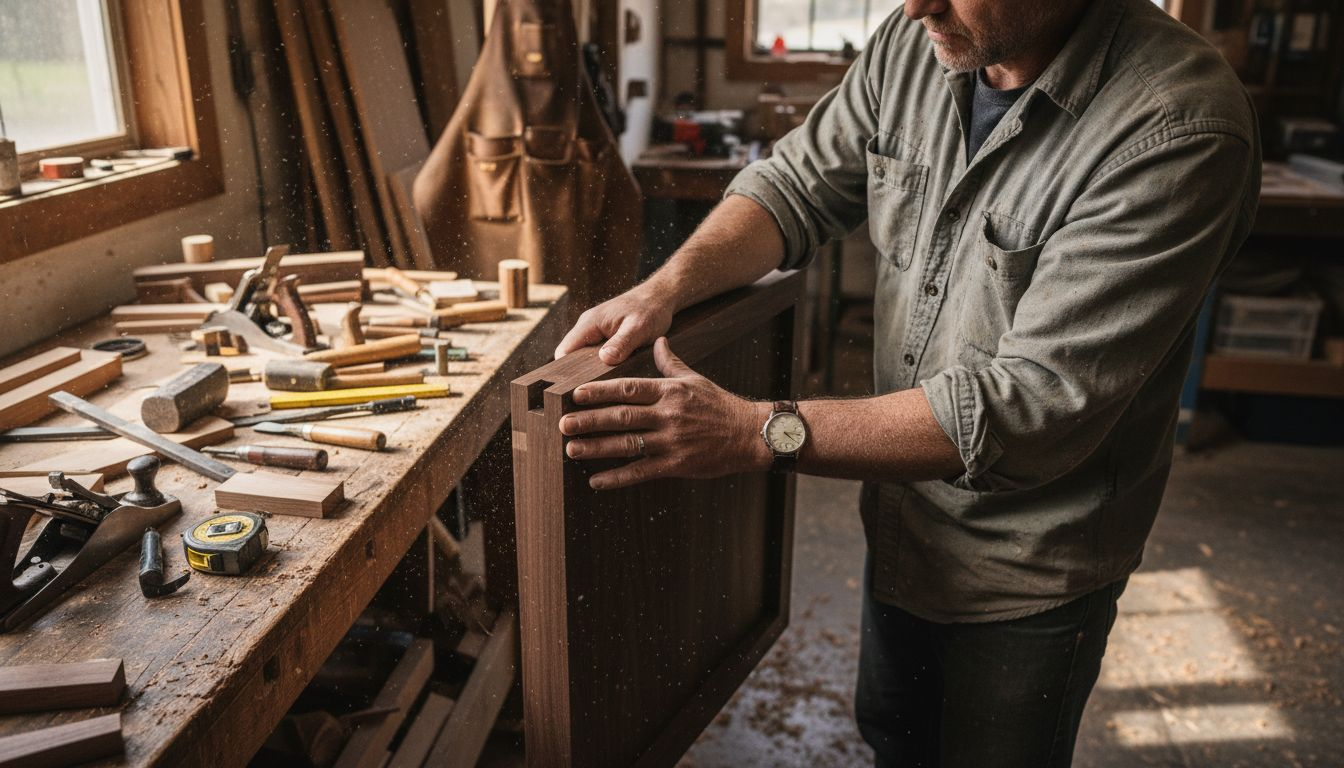
True luxury is revealed in the details: precision joinery, hand-finished surfaces, custom millwork, and intentional material transitions that demonstrate uncompromising commitment to quality. Each element tells a story of expertise, reflecting the designer’s ability to orchestrate complex material interactions into harmonious, meaningful environments.
Pro tip: Invest in materials that tell a story – choose pieces with provenance, craftsmanship, and a narrative that resonates with your personal aesthetic and lifestyle.
What Sets High-End Design Apart
Professional interior designers in luxury spaces transcend traditional decorating by creating transformative environments that are meticulously crafted, deeply personalized, and extraordinarily functional. High-end design represents a sophisticated approach that goes beyond visual aesthetics, integrating advanced technologies, innovative strategies, and unparalleled attention to client-specific requirements.
Key distinguishing characteristics of high-end design include:
- Comprehensive Customization: Fully tailored solutions that reflect individual lifestyles
- Advanced Technical Integration: Seamless incorporation of smart home technologies
- Exceptional Material Selection: Rare, performance-driven materials with unique provenance
- Precise Spatial Planning: Thoughtful design that optimizes functionality and flow
- Holistic Design Perspective: Considering emotional and practical dimensions of space
In regulated design markets, professional credentials signify design excellence, ensuring that designers possess the sophisticated skills necessary for transforming spaces. These credentials validate not just aesthetic capabilities, but also technical proficiency in creating environments that are simultaneously beautiful, compliant, and strategically engineered to support complex lifestyle needs.
Ultimately, high-end design is distinguished by its ability to tell a story – translating personal narratives, cultural influences, and individual aspirations into tangible, immersive spatial experiences that elevate everyday living beyond conventional expectations.
Pro tip: Invest in a designer who understands that true luxury is not about expensive objects, but about creating meaningful, personalized environments that enhance your unique way of living.
Costs, Benefits, and Common Misconceptions
Luxury interior design challenges traditional perceptions of value, moving beyond simple price calculations to explore comprehensive lifestyle enhancement. The investment in high-end design represents a nuanced approach to creating spaces that deliver measurable returns in comfort, functionality, and personal satisfaction.
Common misconceptions about luxury interior design include:
- Cost Myth: Believing luxury design is exclusively about expensive items
- Functionality Fallacy: Assuming aesthetic beauty compromises practical utility
- Rigidity Misunderstanding: Thinking luxury design is inflexible or overly formal
- One-Size-Fits-All Error: Believing luxury has a universal, unchanging definition
- Sustainability Misconception: Presuming luxury and environmental consciousness are incompatible
Interior designers balance aesthetics with practical requirements, demonstrating that true luxury transcends mere visual appeal. The most sophisticated designs integrate advanced technologies, personalized solutions, and strategic spatial planning that enhance daily living while reflecting individual lifestyle needs.
Benefits of investing in luxury interior design extend far beyond immediate visual impact. These thoughtfully crafted environments contribute to increased property value, improved well-being, and a sense of personal pride that transforms living spaces into meaningful, emotionally resonant sanctuaries.
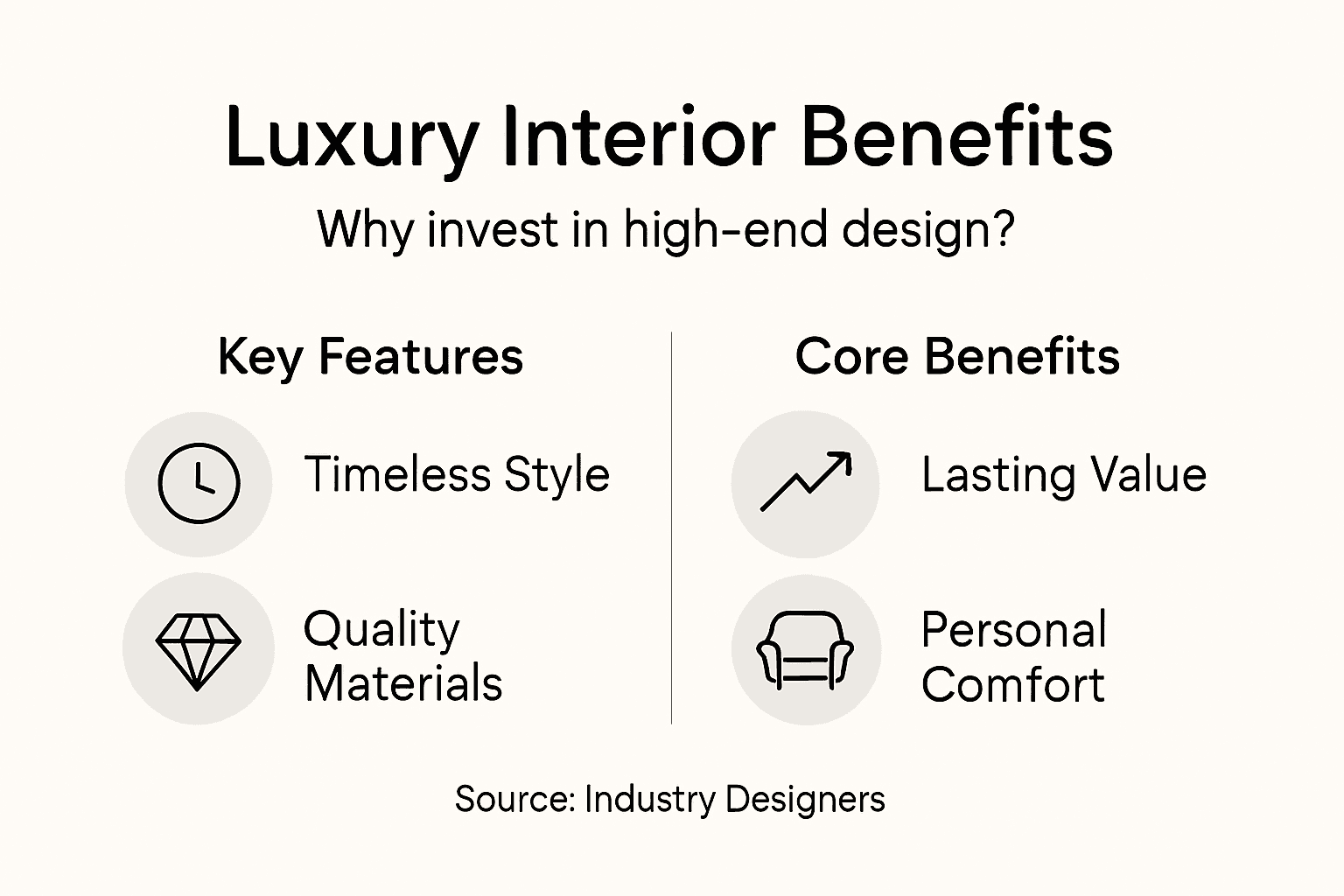
This table clarifies frequent misconceptions versus the realities of luxury interior design:
| Misconception | Reality |
|---|---|
| Luxury equals high cost | Focuses on value, not just price |
| Beauty over functionality | Balances elegance with usability |
| Inflexible style | Adapts to unique lifestyles |
| Not sustainable | Often incorporates eco-friendly practices |
Pro tip: View luxury interior design as an investment in your quality of life, not just a decorative expense – prioritize designs that adapt and grow with your evolving personal narrative.
Elevate Your Entertaining Spaces with Expert Luxury Interior Design
Creating a space where sophistication meets functionality is a common challenge for homeowners who want to impress while enjoying seamless comfort. This article highlights the importance of customized functionality, spatial harmony, and high-quality materials to shape environments suited for elegant entertaining. If you find yourself seeking a balance between timeless elegance and practical use, or you want a space that reflects your personal narrative and lifestyle, understanding these core principles is the first step.
At SAM Interiors, Staci A. Meyers specializes in transforming interiors into meaningful, captivating spaces that are perfect for hosting sophisticated gatherings. With a proven track record featured in top publications and television, Staci’s award-winning approach ensures every detail is intentional and every material tells a story. Explore our Case Study Archives – SAM Interiors to see how expert design can redefine your home’s entertaining areas. Ready to elevate your environment now Visit SAM Interiors and connect with us to start crafting your uniquely luxurious living space today. For more inspiration and insights, browse our Uncategorized Archives – SAM Interiors.
Frequently Asked Questions
What are the key elements of luxury interior design for entertaining?
Luxury interior design for entertaining focuses on material quality, spatial harmony, customized functionality, and sensory experiences to create inviting and sophisticated environments.
How can I improve the functionality of my entertaining spaces?
To enhance functionality, consider incorporating layouts that promote flow, choosing high-performance furnishings, and integrating smart home technologies that facilitate seamless hosting experiences.
What styles are popular in luxury interior design for hosting gatherings?
Popular styles include Traditional for elegance, Contemporary for clean lines, Transitional for balance, Eclectic for unique blends, and Coastal for relaxed amenities, all of which cater to different entertaining preferences.
How do materials affect luxury interior design for entertaining?
Materials play a significant role by providing durability, aesthetic appeal, and sensory pleasure. High-performance textiles, natural stone, and artisan metals contribute to both beauty and functionality in entertaining spaces.
Recommended