

Transforming a Michigan or Florida home into a truly personalized retreat goes far beyond picking paint colors. For affluent homeowners, the path to luxury design requires careful planning, creative vision, and precise expertise. Working with a professional designer means access to exclusive networks, bespoke resources, and strategic project management that turns inspiration into reality. Discover how expert guidance ensures every detail harmonizes with your personal style while supporting your lifestyle for years to come.
Table of Contents
- What Working With a Designer Involves
- Personalization: Reflecting Your Unique Style
- Expertise in Spatial Planning and Functionality
- Time-Saving and Cost-Efficient Benefits
- Exclusive Resources and Professional Networks
- Mistakes to Avoid When Going Solo
Key Takeaways
| Point | Details |
|---|---|
| Collaboration with Designers | Engaging a designer ensures a thorough consultation process that aligns your personal style with functional design. Designers manage project logistics, helping avoid costly mistakes and ensuring a cohesive vision. |
| Importance of Personalization | Customizing design elements allows for a space that truly reflects your individual identity and lifestyle. Designers transform abstract concepts into tangible features that enhance emotional and functional appeal. |
| Expertise in Spatial Planning | Professional designers optimize space utilization, ensuring layouts support everyday needs and flow. Their knowledge of design principles helps create harmonious, efficient environments suited to your routine. |
| Cost Efficiency | Hiring a designer is a strategic investment that can save time and money through expert guidance and industry connections. Designers help avoid financial pitfalls and enhance your home’s long-term value. |
What Working With a Designer Involves
Designing luxury spaces requires an intricate, collaborative process that transforms your home from ordinary to extraordinary. Interior designers create functional and beautiful indoor environments through strategic planning, creative vision, and precise technical skills.
The engagement begins with an in-depth consultation where designers listen closely to your lifestyle needs, aesthetic preferences, and practical requirements. They develop comprehensive design plans that harmonize visual appeal with practical functionality. This involves creating detailed sketches, selecting appropriate materials, choosing color palettes, and developing electrical and spatial layouts that maximize your home’s potential.
Throughout the project, designers serve as project managers, coordinating with contractors, managing timelines, and ensuring every element meets your expectations. Their work encompasses selecting essential and decorative items like colors, lighting, and materials while maintaining strict adherence to building codes and safety regulations. They provide regular updates, make strategic adjustments, and handle complex logistics to deliver a seamless transformation.
Pro Tip: Schedule an initial consultation with potential designers to assess their communication style, portfolio compatibility, and ability to translate your vision into reality.
Personalization: Reflecting Your Unique Style
In the world of luxury home design, personalization is not just an option—it’s the essence of creating a truly remarkable living space. Customization allows clients to control design aspects that reflect their unique personal style, transforming a house into a distinctive home that tells your individual story.
Personalization goes far beyond selecting paint colors or furniture. It involves a deep understanding of your lifestyle, personal aesthetic, emotional connections, and functional requirements. Designers work closely with you to translate abstract concepts and feelings into tangible design elements. This might include incorporating meaningful artwork, designing custom millwork that reflects your heritage, or creating spaces that support your specific daily rituals and passions.
Each design element becomes a deliberate choice that speaks to your identity. Custom furniture pieces, unique material selections, personalized spatial arrangements, and carefully curated architectural details work together to create an environment that is unmistakably yours. The goal is not just visual appeal, but creating a space that resonates emotionally and functionally with your life’s unique rhythm.
Pro Tip: Collect visual inspirations from your travels, personal memories, and favorite spaces to help your designer understand the nuanced story you want your home to tell.
Expertise in Spatial Planning and Functionality
Spatial planning is the strategic art of transforming abstract square footage into purposeful, living environments that intuitively support your lifestyle. Interior designers apply specialized knowledge to plan spaces that balance functionality and safety, ensuring every inch of your home works harmoniously with how you actually live.
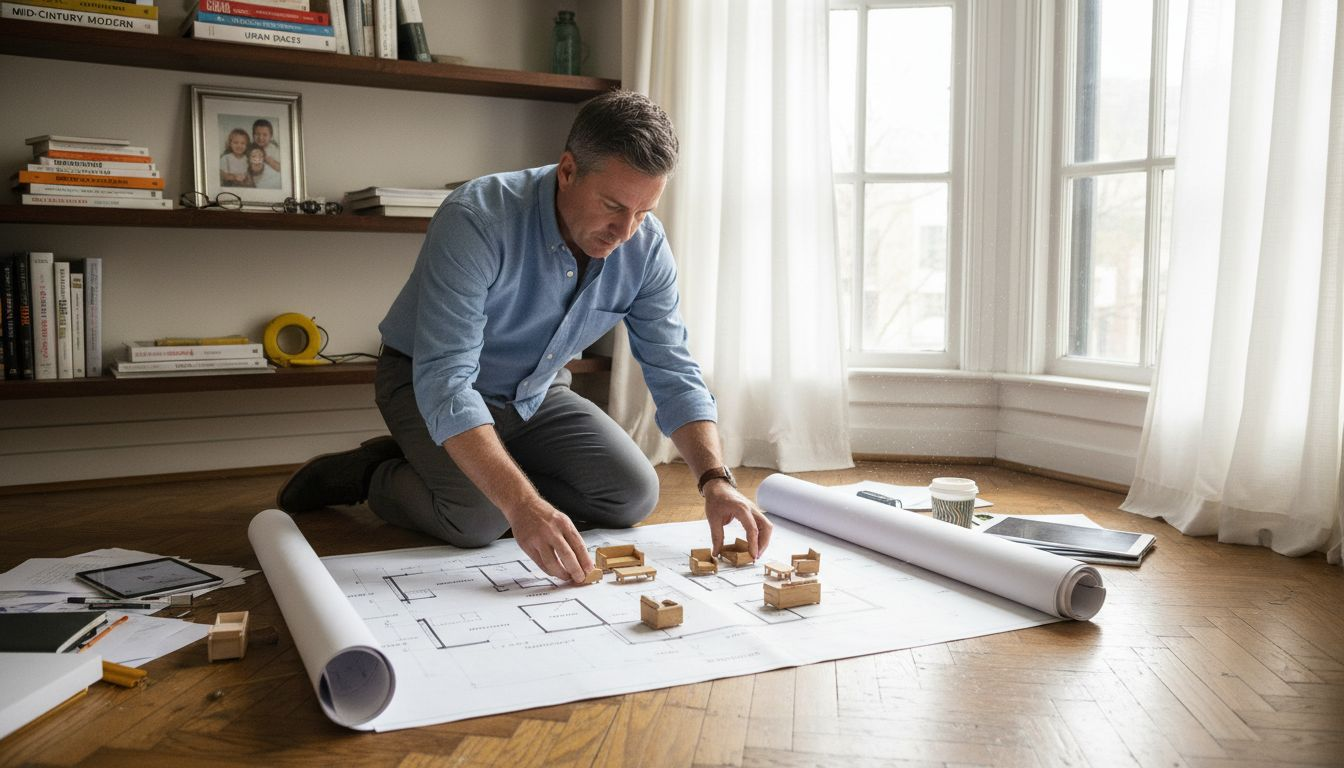
This expertise goes far beyond simply arranging furniture. Spatial planning involves organizing areas to optimize flow, accessibility, and human movement, creating intuitive environments that feel natural and effortless. Designers analyze your daily routines, movement patterns, and specific needs to craft layouts that anticipate and support your lifestyle. Whether it’s creating seamless transitions between indoor and outdoor spaces, designing multipurpose areas that adapt to changing needs, or ensuring clear pathways that prevent congestion, every design decision is intentional.
Professional spatial planning considers complex factors like natural light patterns, acoustic properties, thermal comfort, and visual connections between spaces. A skilled designer understands how room proportions, furniture placement, and architectural elements interact to create environments that feel both expansive and intimate. They strategically use techniques like sight lines, color zoning, and flexible furniture configurations to make spaces feel larger, more connected, and perfectly tailored to your unique way of living.
Pro Tip: Before meeting with your designer, document your daily routines and movement patterns in your current space to help them understand exactly how you use your home.
Time-Saving and Cost-Efficient Benefits
Working with an interior designer is a strategic investment that goes far beyond aesthetic improvements. Interior designers save clients time and money by managing complex design project intricacies, transforming what could be an overwhelming process into a streamlined, efficient experience.
Designers bring extensive industry connections, negotiation skills, and deep product knowledge that can significantly reduce overall project expenses. They help you avoid costly mistakes by providing expert guidance on material selection, spatial planning, and budget allocation. Their established relationships with contractors, vendors, and suppliers often result in preferential pricing and access to resources that individual homeowners cannot easily obtain.
Cost-effective design considers the entire life-cycle of your investment, not just initial expenses. Professional designers evaluate long-term value by selecting durable materials, optimizing layouts for energy efficiency, and creating spaces that maintain their functionality and aesthetic appeal for years. This approach means you’re not just spending money, but making a strategic investment that can potentially increase your home’s market value and reduce maintenance costs over time.
Pro Tip: Request a detailed project breakdown and timeline from your designer upfront to understand potential cost-saving strategies and avoid unexpected expenses.
Exclusive Resources and Professional Networks
Professional interior designers bring far more than aesthetic expertise to your project. Professional associations provide designers with extensive networking and research resources, giving you indirect access to cutting-edge design insights and industry innovations that most homeowners cannot obtain independently.
These professional networks are comprehensive ecosystems of knowledge and opportunity. Designers leverage their connections with manufacturers, artisans, contractors, and specialized suppliers to bring unique solutions to your project. Their relationships often mean access to exclusive product lines, custom fabrication options, and materials that are not available through standard retail channels. This network translates into distinctive design elements that elevate your home beyond conventional design approaches.
Design associations offer members comprehensive platforms for professional development, which directly benefits clients through enhanced skills, updated technological knowledge, and continuous learning. These resources ensure that designers remain at the forefront of design trends, sustainable practices, and technological innovations. By working with a professionally connected designer, you’re essentially tapping into a vast knowledge network that continuously evolves and adapts to the latest design methodologies and creative solutions.
The table below summarizes exclusive designer resources and how they benefit homeowners:
| Resource Type | Designer Access | Homeowner Benefit |
|---|---|---|
| Specialized Suppliers | Unique product lines and materials | Distinctive, exclusive home features |
| Professional Networks | Industry expert connections | Enhanced craftsmanship and innovation |
| Continuing Education | Advanced design trends knowledge | Up-to-date, timeless home style |
| Custom Fabrication | Artisan partnerships | Bespoke elements and finishes |
Pro Tip: Ask your designer about their professional memberships and recent continuing education to understand the depth of expertise they bring to your project.
Mistakes to Avoid When Going Solo
Attempting a luxury home design project without professional guidance can lead to costly and time-consuming errors. Independent designers often struggle with project management challenges, and homeowners face even more significant obstacles when navigating complex design decisions alone.
The most critical mistakes typically involve underestimating the complexity of design implementation. These include improper space planning, unrealistic budget expectations, and inadequate understanding of material compatibility. Without professional expertise, homeowners might select expensive materials that don’t work together, misunderstand structural limitations, or create layouts that look appealing on paper but fail in practical application. Independent design efforts often result in limited project scope and potential financial risks, especially when technical knowledge and industry connections are lacking.
Professional designers prevent these pitfalls by bringing comprehensive knowledge of building codes, material science, spatial dynamics, and aesthetic principles. They understand how to balance visual desires with functional requirements, anticipate potential challenges, and create holistic design solutions that individual homeowners typically cannot achieve. Their training allows them to see potential problems before they become expensive mistakes, saving both time and financial resources in the long term.
Here’s a comparison of working with a professional designer vs. going solo for luxury home design projects:
| Aspect | With Designer | Going Solo |
|---|---|---|
| Project Management | Expert oversight and coordination | Personal accountability and risk |
| Cost Control | Access to exclusive discounts | Higher retail prices and errors |
| Customization | Deep personalization and unique solutions | Limited to available options |
| Risk Mitigation | Anticipates and avoids pitfalls | Greater chance of costly mistakes |
Pro Tip: Create a detailed project portfolio with inspiration images, budget constraints, and lifestyle requirements before attempting any independent design work.
Elevate Your Luxury Home with Expert Design Guidance
Transforming a luxury home requires not just creativity but expert spatial planning, personalization, and flawless execution. This article highlights key challenges such as avoiding costly mistakes, managing complex projects, and achieving a home that truly reflects your unique style and lifestyle. If you seek a seamless process that saves time and money while delivering exceptional, tailored results, working with a seasoned professional is essential.
At SAM Interiors, Staci A. Meyers combines international expertise with a passion for meaningful design that honors your individual story. From custom layouts that optimize flow to sourcing exclusive materials inaccessible to most homeowners, her award-winning approach ensures every detail aligns with your vision. Discover how Staci’s uncompromising attention to detail and commitment to excellence can turn your dream home into reality.
Ready to avoid common design pitfalls and invest confidently in a space personalized just for you Visit SAM Interiors today to schedule your consultation and begin transforming your luxury home the right way.
Frequently Asked Questions
Why is it beneficial to work with a designer for luxury home projects?
Working with a designer ensures expert guidance in creating a unique, functional space that reflects your personal style, while also managing project complexities and avoiding costly mistakes.
How does personalization play a role in luxury home design?
Personalization in luxury home design involves customizing elements to reflect your individual aesthetic, lifestyle, and emotional connections, ultimately transforming a house into a home that tells your story.
What should I expect during the design consultation phase?
During the initial consultation, you can expect the designer to assess your needs, preferences, and practical requirements, allowing them to create a tailored design plan that aligns with your vision.
How do designers ensure effective spatial planning?
Designers use their expertise to analyze your daily routines and movement patterns, optimizing layouts for flow and functionality, and ensuring every area supports your lifestyle effectively.
Recommended