
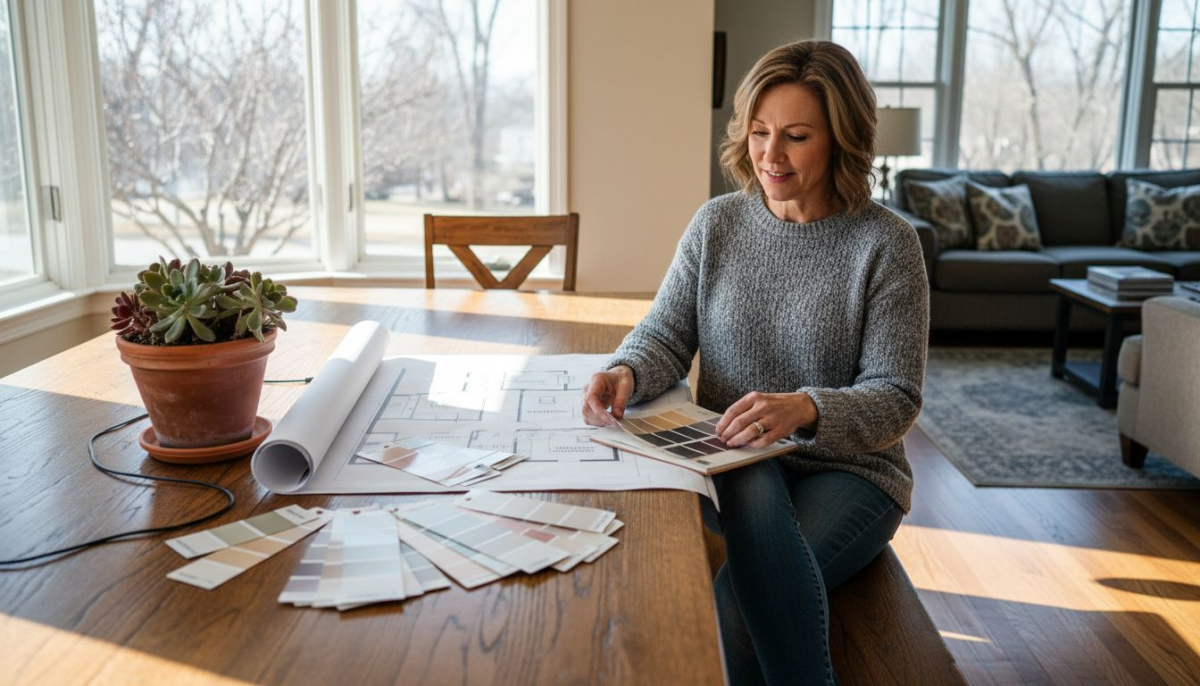
Choosing the right designer in Michigan means more than a fresh coat of paint or new furniture. Affluent homeowners need a creative expert who transforms ideas into functional and aesthetically pleasing solutions, blending artistic vision and technical know-how. This matters because your home should reflect your lifestyle while remaining practical and beautiful. Discover how a professional designer brings strategic thinking, personalization, and insider resources to create spaces tailored to your needs.
Table of Contents
- What Does A Professional Designer Do?
- Types Of Design Services For Homeowners
- How Designers Personalize Each Project
- Cost, Savings, And Value Of Hiring A Designer
- Common Mistakes DIYers Make And How Designers Help
Key Takeaways
| Point | Details |
|---|---|
| Role of a Designer | A professional designer combines creativity with technical skills to create functional and aesthetically pleasing spaces tailored to individual lifestyles. |
| Types of Design Services | Homeowners can choose from various services such as full home design, single-room design, and consultations, depending on their specific needs and project scope. |
| Value of Hiring a Designer | Engaging a designer can save homeowners money by avoiding costly mistakes and ensuring that every design decision enhances overall functionality and market appeal. |
| Common DIY Mistakes | DIYers often face challenges such as inadequate planning and poor material selection, which can lead to expensive errors that professional designers can help prevent. |
What Does a Professional Designer Do?
A professional designer is far more than someone who picks out paint colors and arranges furniture. A creative expert who transforms ideas into functional and aesthetically pleasing solutions, a designer brings together technical expertise, artistic vision, and strategic thinking to solve real problems in your home. They apply principles of composition, color theory, and spatial relationships to create experiences tailored specifically to how you actually live. This isn’t about imposing a design trend on your space; it’s about understanding your lifestyle and translating that into an environment that works as beautifully as it looks.
When you hire a professional designer, you’re investing in someone who conducts thorough research into your preferences, your family’s needs, and the way different rooms will function in your daily life. They collaborate with contractors, architects, and craftspeople to bring designs to life, managing timelines and budgets while maintaining the vision. A designer evaluates everything from natural light patterns throughout the day to traffic flow in your kitchen, from the durability of materials in high-traffic areas to how acoustics affect conversation in your living room. They consider how colors influence mood, how scale and proportion affect comfort, and how every detail from hardware to millwork contributes to the overall experience. This level of attention prevents costly mistakes and ensures your home supports your lifestyle rather than fighting against it.
Professional designers also bring access to resources and vendors most homeowners don’t have. They know which manufacturers produce pieces that will last, which contractors deliver quality work, and how to source materials that balance beauty with performance. They understand Michigan’s specific climate considerations and how humidity, temperature fluctuations, and seasonal changes affect different finishes and materials. Beyond aesthetics, designers manage the practical complexities of remodeling projects, coordinate with multiple trades, and handle the thousands of small decisions that accumulate into a finished space. The role of a designer in a home remodeling project extends far beyond initial concepts, involving ongoing problem-solving and adaptive thinking as projects develop.
Pro tip: When meeting with a designer, come prepared with specific examples of spaces you love (from magazines, social media, or other homes), your actual budget including contingencies, and honest answers about how you use your home daily; this gives the designer the foundation needed to create a design that’s both beautiful and genuinely livable.
Types of Design Services for Homeowners
Design services for homeowners span far beyond a single approach. Different projects call for different expertise, and understanding what’s available helps you choose the right service for your specific situation. Some homeowners need a complete interior redesign of their living spaces, while others focus on specific rooms or targeted updates. Still others require residential design services that address structural and architectural considerations alongside aesthetic choices. The key is matching the scope of work to your actual needs and goals rather than assuming every project requires the same level of involvement.
Full Home Design and Remodeling transforms your entire living environment, from layout and flow to finishes and furnishings. This comprehensive approach works best when you’re undertaking significant renovations or want cohesive design throughout your Michigan home. Single-Room Design focuses on specific spaces like your master bedroom, kitchen, or home office, allowing you to invest deeply in the rooms that matter most to your daily life. Consultation and Design Direction provides professional guidance on your existing space without a complete redesign, perfect if you have a clear vision but need expert input on execution. Some homeowners benefit from Styling and Finishing Services, where a designer helps with color palettes, accessories, and arrangement after construction is complete. Outdoor and Landscape Coordination rounds out your home experience by extending design principles to patios, gardens, and exterior spaces. Residential landscape design integrates aesthetics with practical considerations like water management and plant selection suited to Michigan’s climate.
Beyond these primary categories, many designers offer specialized services including Project Management, where they coordinate contractors and vendors to keep timelines and budgets on track. Material and Fixture Selection draws on a designer’s vendor relationships and product knowledge to source pieces that balance quality, durability, and cost. Lighting Design receives dedicated attention because it dramatically affects how spaces feel and function throughout the day. Space Planning and Furniture Arrangement optimizes how you move through and use your rooms, preventing the common mistake of beautiful but impractical layouts. The right designer listens to what you actually need and recommends services that deliver genuine value rather than billing hours for unnecessary work.
Pro tip: When discussing services with a designer, be specific about your pain points (“Our kitchen workflow is inefficient,” “We need more guest accommodations”) rather than vague goals; this helps them recommend the right service package and set realistic expectations for what design can solve.
How Designers Personalize Each Project
Personalization isn’t about imposing a designer’s taste onto your home. It’s the opposite. A skilled designer starts by understanding who you are, how you actually live, and what matters most to your daily experience. This means asking detailed questions about your routines, your family dynamics, how you entertain, and what frustrates you about your current space. A designer listens for the emotional language you use about your home and translates those descriptions into concrete design decisions. When you describe a room as “cozy,” the designer recognizes this might mean warm lighting, textured fabrics, and intimate scale rather than the sleek minimalism another client craves. The personalization process begins long before any sketches appear because understanding your authentic lifestyle is the foundation for everything that follows.

Designers create detailed plans that align with your architecture and aesthetic preferences while ensuring functionality and safety. This means selecting specific materials, colors, and furnishings that reflect who you are rather than generic trends. If you’re a collector, a designer creates display opportunities tailored to your passions. If you work from home, the designer designs a space that supports focus and productivity while still feeling like part of your home rather than an office intrusion. If you host frequently, the flow, seating arrangements, and entertaining surfaces receive dedicated attention. The specificity matters because a “modern” home for an architect in Ann Arbor looks entirely different from a “modern” home for an entrepreneur in Traverse City. One client might love minimalist restraint while another with the same style preference wants rich textures and layering. Translating your style words into real design requires designers to dig deeper than Pinterest boards and magazine inspiration.
Personalization also extends to your Michigan home’s unique character and location. A designer considers how natural light flows through your specific windows, how seasonal changes affect your spaces, and what views deserve to be framed. They understand that a home in Grosse Pointe faces different design priorities than a lakefront property or a suburban family retreat. Your budget constraints, timeline, and tolerance for disruption during renovation all shape how a designer approaches your project. Most importantly, personalization means the designer remains flexible and responsive throughout the process. As your vision becomes clearer or as construction reveals surprises, a personalized approach adapts rather than rigidly following initial plans. The goal is creating a home that feels authentically yours, not a beautiful space that happens to have your furniture in it.
Pro tip: During initial consultations, share specific moments from daily life rather than style preferences alone (“Sunday mornings we linger over coffee in the kitchen” or “My kids do homework at the kitchen table while I cook”); these functional realities create far more personalized design than any aesthetic preference could.
Cost, Savings, and Value of Hiring a Designer
Most affluent homeowners initially balk at design fees, viewing them as an additional expense on top of construction and furnishing costs. But this perspective misses the actual economics of hiring a professional. A designer’s fee typically represents 5 to 15 percent of your total project budget, yet their involvement often saves far more than that amount through smarter decisions and avoided mistakes. Consider the alternative: a homeowner selecting materials independently might choose beautiful granite countertops that look stunning in the showroom but prove impractical for their family’s actual cooking style. A designer asks the right questions upfront, understanding your lifestyle, and recommends materials that balance aesthetics with performance. That single decision might save thousands in replacement costs within five years. Multiply this across dozens of choices in a full renovation, and the designer’s fee becomes an investment rather than a cost. When professional designers help avoid costly mistakes through proper space planning and material selection, they’re essentially functioning as financial advisors for your home.
The value extends beyond simple cost avoidance. Designers have vendor relationships and purchasing power that result in better pricing on materials, furnishings, and services than most homeowners can negotiate independently. They coordinate timelines so trades flow efficiently, preventing the expensive downtime that occurs when contractors wait for decisions or materials. They manage contingencies and problem-solving during construction, preventing scope creep and budget overruns that plague projects without professional oversight. A designer also ensures your renovation reflects current market preferences, which enhances your home’s resale value. Studies consistently show that homes with professional design command higher prices and sell more quickly than comparable properties without that level of intentional curation. For Michigan homeowners considering your property as a long-term asset, this matters significantly. Your investment in design today potentially increases your home’s market value by more than the design fee itself.
Beyond financial metrics lies the immeasurable value of living in a space that genuinely works for you. The stress reduction alone from having a coordinated, functional home rather than a beautiful but impractical one pays dividends daily. You’re not constantly reorganizing to make things work or frustrated by poor lighting or inefficient layouts. Your guests notice the thoughtful details and curated elegance. Your family moves through spaces designed specifically for how you live. Design-driven approaches generate substantial value through improved user experience and better outcomes, creating homes that support your lifestyle for years to come. When you calculate the true return on investment, considering cost savings, enhanced property value, and the quality of daily living, hiring a designer becomes one of the smartest financial decisions you can make.
Key factors that influence the overall value of hiring a designer:
| Value Driver | Impact on Homeowner | Long-Term Benefit |
|---|---|---|
| Material Selection | Fewer costly replacements | Enhanced durability |
| Vendor Relationships | Better pricing on goods | Project cost savings |
| Space Optimization | Improved daily living | Increased functionality |
| Market Appeal | Higher resale price | Faster home sale |
Pro tip: Request a detailed scope of work and fee structure upfront, distinguishing between design fees, purchasing fees, and project management costs; transparent pricing helps you understand exactly where your money goes and prevents unexpected charges later.
Common Mistakes DIYers Make and How Designers Help
The appeal of a DIY approach is understandable. You save on design fees and maintain complete creative control. Yet this path is littered with expensive learning experiences that professional designers know how to avoid. One of the most common mistakes is inadequate planning before purchasing materials or committing to a design direction. A homeowner might fall in love with a paint color in natural light at the store, only to discover it looks completely different under their home’s specific lighting conditions at different times of day. Another frequent error involves poor spatial planning and furniture scaling. That sectional sofa looked perfect in the showroom, but now it dominates your living room and blocks traffic flow. A designer measures spaces precisely, considers traffic patterns, and tests scale before any purchases occur. Similarly, DIYers often underestimate the importance of material durability for their specific context. The beautiful light oak flooring might suit a vacation home perfectly, but in a busy family kitchen with four kids and a dog, a more resilient option would have been smarter. These aren’t aesthetic oversights; they’re costly decisions that ripple through your home’s functionality for years.
Beyond these individual choices, DIYers frequently overlook how building systems integrate and interact with energy efficiency. You might add beautiful new windows without considering how they affect your HVAC system’s efficiency or how they work with your home’s insulation and ventilation. A designer approaches your Michigan home as an interconnected system, considering how changes in one area impact heating, cooling, air quality, and comfort throughout. Structural and safety code compliance represents another area where professional expertise prevents disasters. What looks like a reasonable layout might violate egress requirements or accessibility standards that exist for very good reasons. DIY projects often suffer from overlooking safety codes and technical requirements, leading to expensive corrections after the fact or worse, safety hazards.
Designers also bring project management expertise that keeps everything coordinated. They know the right order for trades to work, which decisions need to happen before others, and how to anticipate problems before they become expensive surprises. They understand vendor relationships and have access to resources unavailable to homeowners shopping alone. They coordinate timelines so nothing sits half-finished, waiting for decisions. Most importantly, a designer takes responsibility for the outcome. If something isn’t working, they solve it. A DIYer is left figuring it out independently, often after spending money on the wrong solution. The difference between a beautifully designed space and one that looks like a collection of individual decisions comes down to someone thoughtfully orchestrating every element. That orchestrator is worth far more than their fee costs.
Here is a comparison of DIY approaches and hiring a professional designer for home projects:
| Aspect | DIY Approach | Professional Designer |
|---|---|---|
| Upfront Cost | Lower but risk of errors | Design fees, but fewer mistakes |
| Time Management | Often inefficient | Streamlined and scheduled |
| Resource Access | Limited options | Broad vendor network |
| Code Compliance | Potential for violations | Ensures code adherence |
| Project Complexity | Suited for simple tasks | Handles complex renovations |
Pro tip: If you’re determined to tackle some design elements yourself, at minimum hire a designer for a consultation focused on space planning and material selection for your high-impact areas (kitchens, primary bedrooms, main living spaces); this hybrid approach prevents the most costly mistakes while preserving budget for DIY elements in lower-risk spaces.
Elevate Your Michigan Home with Expert Design Guidance
Struggling to transform your Michigan home into a space that truly fits your lifestyle and aesthetic? The journey from inspiration to reality is full of choices that affect daily comfort, budget, and long-term value. Whether you face challenges with inefficient layouts, selecting materials suited for Michigan’s climate, or need personalized solutions that reflect your unique way of living, professional design is the key. As the article highlights, thoughtful space planning, durability considerations, and expert coordination prevent costly mistakes and ensure your home is as functional as it is beautiful.
Discover how Staci A. Meyers, an award-winning designer dedicated to Excellence by Design, turns these challenges into opportunities for lasting impact. With a proven track record featured in Better Homes and Gardens and Detroit Home, Staci brings artistry and precision to every project. Explore her approach in the Uncategorized Archives – SAM Interiors to see real-life transformations and understand how design enhances not only aesthetics but also practical living.
Don’t wait to create the home you’ve always wanted. Visit SAM Interiors today to schedule a consultation and turn your vision into a customized plan that respects your budget and lifestyle. Start your design journey now and experience the difference a professional can make for your Michigan home.
Frequently Asked Questions
What are the benefits of hiring a professional designer?
Hiring a professional designer provides access to expertise that helps avoid costly mistakes, ensures a cohesive aesthetic, and enhances functionality tailored to your specific lifestyle.
How does a designer personalize a project for my needs?
A designer personalizes your project by understanding your routine, family dynamics, and specific preferences to create spaces that reflect your lifestyle and meet practical needs.
How can hiring a designer save me money in the long run?
Designers can save money by preventing costly errors through expert material selection, efficient project management, and leveraging vendor relationships for better pricing on goods and services.
What common mistakes do DIYers make when redesigning their homes?
Common mistakes include inadequate planning, poor spatial arrangement, and neglecting to consider material durability, which can lead to costly modifications and inefficiencies in the finished space.
Recommended